Personal Protective Equipment, isolation gowns, support for new facilities extended to COVID 19 “war zone” hospital Lung Center

April 21, 2020

A reinforcement in the supply of isolation gowns, personal protective equipment (PPE), and financial support to the new function as COVID 19 “war zone” at the Lung Center of the Philippines (LCP) has been extended by Bayer Philippines.

   With the rising of cases in the current pandemic, LCP had to expand its ICU (intensive care unit) complex to accommodate a lot more patients suffering from severe and critically ill COVID-19.

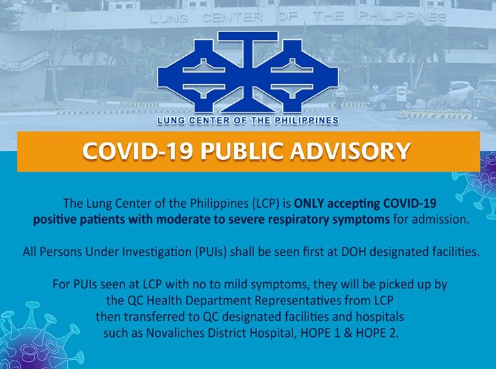
   Designated by the Department of Health as COVID-19 Referral Center for Severe and Critical Cases, the Lung Center of the Philippines (LCP) functions as a tertiary referral center in the country specialized in chest and lung diseases.

   It has the necessary equipment capable of providing advanced respiratory support to patients with complicated respiratory conditions.

   Dr. Norberto A. Francisco, LCP chief of Clinical Trials and Research and spokesperson for COVID-19 Incident Command System, said that the hospital has had a similar preparation in the past for isolation ICUs (intensive care unit)  in a unit detached from the main building during the eras of SARS (Severe Acquired Respiratory Syndrome) and MERS (Middle East Respiratory Syndrome) -COV, albeit in a much smaller scale.

   For COVID-19, LCP started preparations as early as mid January, two months before the Metro Manila-wide community quarantine was imposed on March 12.

   At that time, the center was already managing PUI (persons under investigation) cases and had isolated these patients from the main building to avoid infecting non COVID-19 patients, Dr. Francisco recalls.

   Right now, cash and PPE donations have been pouring in from individuals, companies, and the government.

   “We sincerely thank the people at Bayer for their kind hearts to help us and our fellow health care workers here at the Lung Center of the Philippines while we care for our patients,” Dr. Francisco gratefully said.

   LCP has converted their new open-air outpatient building into a triage or receiving area for COVID-19 related patients.

   They have also designated “red zone” areas dedicated to suspect or confirmed COVID-19 patients including wards, isolation rooms, ICUs, hallways, elevators and specific routes for transport, for the safety and protection of all.

   Four out of six of their regular wards were dedicated to COVID-19 isolation rooms and one whole wing was converted into an all-ICU isolation rooms to augment their two existing ICU units already dedicated to COVID-19 cases, Dr. Francisco B added.

   The LCP is even planning to set up more facilities which includes putting up tents in their parking lot that will serve as a field hospital capable of caring for as much as 100 patients hooked on a ventilator.

   The People in the War Zone

   Dr. Francisco likens the pandemic at LCP as a war zone where they constantly deal with numerous challenges in front of them while ensuring everyone’s safety, security and protection.

   With a total employee workforce of more than 600, there are only less than 200 active health workers who are provided with housing within the hospital or in nearby hotels.

   Many prefer not to go home because of fear of transmitting the SARS-CoV 2 virus to their loved ones, or transportation issues brought about by the lockdown.

   On top of this, there are around 25 active consultants and 20 fellows managing the patients.    

   Although each patient is given the attention and care that they need, much of their added work during this COVID-19 Incident Command System is on operations, logistics, planning, safety & security, to ensure the hospital can put up with the challenges imposed by this health crisis.

   For the health care workers, their typical 8-hour shift was increased to 12 hours due to limited workforce.

   Describing how they are handling the tasks at hand, Dr. Francisco said their multi-tasking work is about 5 times more than what they used to do before this health crisis.
Lung Center of the Philippines now a COVID 19 “war zone”

   PPE Support Still Needed

   A complete set of Personal Protective Equipment (PPE) includes a mask, goggles, face shield, isolation gown, cover all, gloves, and shoe cover.

   This is used by the doctors, nurses, radiology technicians, physical therapists, nursing aides or anyone having contact with the COVID-19 cases or those working in the danger zones.

   While some of the PPE component items can be reused, on average, they consume around 600 isolation gowns per day.

   During the crisis, there was a time when LCP was faced with a severe shortage of PPEs that could only last for a few days.

   The doctors didn’t have a choice but to get from their own pockets so that they could immediately purchase the needed PPEs.

   “Their contribution goes a long way in support of our country’s battle against COVID-19 to save the lives of our fellowmen.”

   While they are grateful for the generosity of all donors, LCP acknowledges that support must be sustained. For them to keep up with its level of operations over the next 2 weeks, they would need about 10,000 isolation gowns.

   Aside from supporting LCP, Bayer also donated PPEs and product samples to other selected hospitals in Metro Manila heavily engaged in managing COVID-19 patients. Bryan B. Rivera

Taguig urban farmers sustain livelihood and nutritious food despite lockdown due to Covid 19

April 17, 2020

Farm technologies found between high-rise buildings have led to a more reliable food source and year-round livelihood to urban residents facing job and food challenges due to the Covid 19 lockdown.

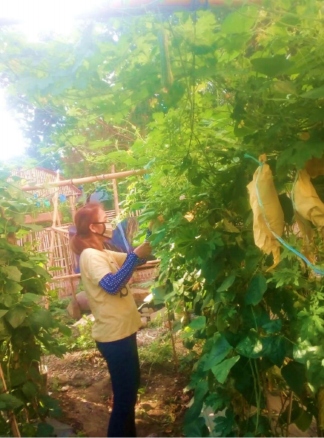
   The 30-member volunteer farmer residents of the Good Food Farm in Barangay Ususan, Taguig are more grateful than ever for partnering with Bayer Philippines and being trained on how to grow vegetables and herbs under its Bayer Kubo project.

   This includes supplying the seeds to be planted, regular monitoring, and technical assistance provided by Rise Against Hunger and Urban Agriculture Philippines.

   The 300-square meter Bayer Kubo farm is literally just a few steps away from their residences at Pamayanang Diego Silang in medium-rise BCDA Housing. Some of the technologies are made using available resources, such as fermented fruit juice (FFJ) and fermented plant juice (FPJ) used as growth enhancers and pest deterrents for their crops.

Good Food Farm representative looking after crops at the Bayer Kubo in Barangay Ususan, Taguig City

Blessing during the Covid Crisis

   Since its launch in January this year, the community has not sold much of its produce as the newly trained farmers were still learning the ropes.

   However, when the enhanced community quarantine was imposed in mid-March, the project became a blessing for the residents because it was a sustainable source of food when people became worried about the lockdown.

   Taguig urban farmers sustain livelihood and nutritious food with Bayer Kubo despite lockdown.

   “Our farmer volunteers are very happy because they are harvesting fresh and healthy vegetables everyday,” said Jerimy Soronel of Rise Against Hunger (RAH). In the farm plots, there were different varieties of vegetables, including tomatoes, okra, eggplant, sitaw, mustard, pechay, bitter gourd, lettuce, and bell pepper.

   Aside from the usual vegetables, they also harvested herbs and spices like basil, tarragon, oregano, roselle, taheebo, gotu kola, serpentine, and lemongrass.

Hunger for More Knowledge

Malou Furio, Good Food Farm president and one of the residents, said they are set to replant this next season and are expecting vegetable seeds from the Department of Agriculture which has allotted funding for urban agriculture projects.

   “We don’t want to neglect our farm,” said Furio. “It is good that we are able to continue being productive during this lockdown.”

   The community is eager to learn more about increasing their output from vegetable farming so that they can turn the farm into a business venture.

   However, some of these learning activities were delayed.

   “Because of the quarantine, some of the scheduled trainings were postponed, but we still managed to maintain the existing crops and apply what we already know,” added Furio.

   “We rely on our farmers to continue tilling the land so that we can have food on our tables in the next few months,” said Bryan Rivera, head of communications, public affairs, and sustainability for Bayer Philippines.

   “Having an opportunity to create food where it’s not usually grown is a worthwhile experience that Barangay Ususan residents are truly enjoying.”

Training being conducted among farmer residents on how to produce organic fertilizers

Attention Shift to Agriculture

   The Department of Agriculture has called on all sectors to support agriculture during this crisis to prevent food shortage. Particularly, the agency met with the Philippine Seed Industry Association (PSIA) to lead its urban agriculture promotion in Metro Manila by working with DA and the local government units.

   “In our current quarantine measures, aside from our frontline health workers and need for sustained food distribution, agriculture has been given the attention it deserves,” added Rivera.    “Incidentally, our Bayer Kubo project is also getting more support from the people managing the vegetable crops since it is a fundamental source of food.”

More than just a Farm

   Interestingly, the Bayer Kubo urban farm is a holistic venue not only for growing food. It plans to serve the community on concerns related to health.

   “We consider Bayer Kubo as providing a wider scope of benefits to enhance and strengthen urban communities. This includes increasing awareness and appreciation of urban agriculture, promote health & wellness, and introduce other practical topics that would benefit the residents,” said Rivera.

   Even likely to be critical in the future, as the population increases and climate change renders more farms to be less productive, farmers will need more opportunities and technologies to counter a decline in harvest.

   When countries slowly transition to aging populations, more people will consequently turn to health solutions to care for themselves and their loved ones. Melody Mendoza Aguiba/Bryan B. Rivera

Intellectual property assets to boost investment in agriculture, uplift poor farmers in a new SEARCA program

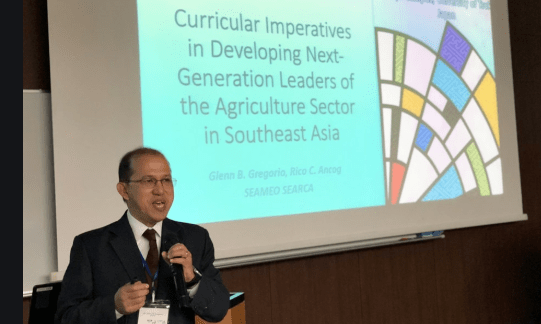
SEARCA Director Glenn B. Gregorio advocates equal distribution of wealth in agriculture especially among marginalized farmers

April 17, 2020

Philippines-based  Southeast Asian Regional Center for Graduate Study and Research in Agriculture (SEARCA) is boosting  ownership of intellectual property (IP) assets to help prop up agriculture investments while ensuring broader based wealth distribution among “poorest of the poor” farmers.

   As IP assets encourage ownership of wealth, acquisition of IP assets by more farm technocrats, enterprises, and farmers’ cooperatives is part of the agenda in SEARCA’s 11th Five-Year Plan (11FYP).

   The Philippines still has very limited capacity to obtain IP assets—commercialization licenses, patents, copyright, trade secrets, trademarks—that hold tremendous value in creating wealth among new entrepreneurs.

   “SEARCA will formulate and establish its intellectual-property (IP) policy to ensure that product and technologies reach the intended and ultimate beneficiaries without much financial burden,” according to SEARCA’s 11thFYP.

   “Guided by this IP policy, SEARCA will facilitate licensing and transfer of technologies developed by universities to industry players to create products for the marketplace.”

   SEARCA Director Dr. Glenn B. Gregorio is advocating for adoption of Agriculture 4.0—a concept of the future of agriculture focusing on the use of big data, Internet of Things (IoT), precision farming, and disruptive agriculture  for increased business efficiency, according to Proagrica.

   “SEARCA will be a gateway to the future of agricultural development as it builds open innovation and open science spaces. These spaces will operate a platform—online and otherwise, systems or modular—of agri-innovations, sustained best practices, emerging agribusiness models, and smart disruptive solutions.”

   While tapping digital and technology for agriculture advancement, SEARCA is concerned about how benefits will be distributed equally, particularly among poor farmers as poverty remains prevalent among rural farmers in the Philippines, among other Southeast Asian (SEA) countries.

   One strategy of SEARCA in its new five-year plan to be implemented up to 2025 is to tap not only private enterprises but also mass-based, grassroots-based farmers’ cooperatives.

   “Cooperatives can be the best participatory organizational form that could effectively deliver the attainment of the Sustainable Development Goals (SDGs). SEARCA will contribute to providing access to new sources of capital that will allow them to grow and flourish.”

   “SEARCA will facilitate access of cooperatives to a new breed of talent that will lead and manage agribusiness enterprises as well as appropriate, safe breakthrough technologies.”

   Several projects of SEARCA have shown that while investments in agriculture has increased in the past decades among SEA countries, wealth distribution particularly among poor farmers has been limited.

  Such equitable distribution of benefits among the poorest farmers is viable via legal tools through policies that SEARCA also encourages to be adopted by government.

   “(Cooperatives will be a) leader in economic, social, and environmental sustainability. (Cooperatives are) the model of participation more preferred by people and the fastest growing form of enterprise.”

Dr. Glenn B. Gregorio, SEARCA director, pushes for adoption of Agriculture 4.0 toward digital and innovative farm practices

   For business and industry, formation of more public-private partnerships, new business models, and more innovative entrepreneurial ecosystems for new start-ups should be encouraged. 

   “Business and industry, together with SEARCA, will endeavor to invest mission-oriented efforts to enact the governance mindset change needed to balance the interests of business and society, considering social and institutional innovation to improve transparency, participation, and sustainability.”

   These are the other parts of the Agriculture 4.0 agenda in SEARCA’s five-year plan:

 1.      Open Innovation and Agri-Incubation.  Partnering with the players and actors of the innovation community such as incubator houses, venture capital funders, universities, research institutions, as well as startups, small and medium enterprises, and corporations could support the goal of SEARCA.

   “While most startups are focused on developing digital technologies, incubators and start-ups focused on Agriculture Research and Development technologies do not appear as popular in Southeast Asia.”

2.      Knowledge and Technology Transfer SEARCA (through IP Policy).

3.      Project Development, Monitoring and Evaluation.  SEARCA will implement Research Grants with Industry Partners – Grants for Research Towards Agricultural Innovative Solutions (GRAINS) through at least four distinct mechanisms: 1.) Graduate Research with an Industry Partner, 2.) Call for Research Proposals Based on Industry Need, 3.) Engaging the Industry and the Youth in Promoting Agriculture and Rural Development, and 4.) Academe-Industry-Government Interconnectivity.

   SEARCA crafted its five-year plan with these products and services in mind to be delivered by its programs:

 1. Development of next generation agriculture leaders and professionals;

2. Policy analysis and recommendations for the international, national, and local levels;

3. Economic, social, and technological knowledge creation in the agricultural ecosystem;

4. Program design, implementation, and support;

5. Just-in-time decision making support for decision makers; and

6. Incubation and innovation of new products, services, and business models.

   SEARCA is hosted by the Philippine Government under the Southeast Asian Ministers of Education Organization (SEAMEO), an intergovernment organization, with funding support from international and local partners for joint programs and projects. Melody Mendoza Aguiba


Bayer deploys high-yielding hybrid rice seeds, supports DA Plant Plant Plant to counter COVID 19 effects to the economy

Calamba City, April 13, 2020 –

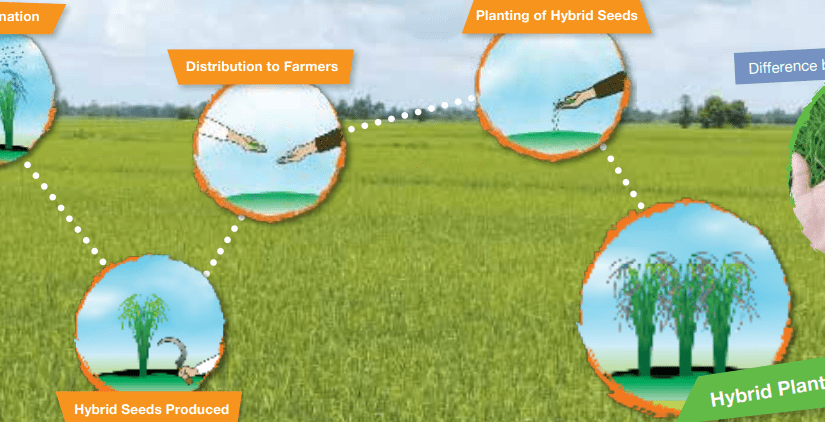
Breeding of 2 superior varieties produce high yielding rice plants with heavier panicles, full-packed grains

Bayer has continued its seed processing and distribution operations in its Calamba, Laguna and Pulilan, Bulacan plant facilities in a bid to support the government’s food resiliency program, particularly the ALPAS Kontra COVID-19 or Plant, Plant, Plant Program.

   As the business sector is adversely affected by the Luzon-wide enhanced community quarantine extension, the Department of Agriculture reaffirmed the importance of unhampered movement of food and agricultural products.

   This includes home quarantine exemptions for agribusiness personnel and those involved in processing and logistics of agricultural inputs.

   With these guidelines in place, Bayer has responded by mobilizing its product supply and logistics teams to prepare hybrid rice and hybrid corn seeds for timely delivery to its channels.

    “We are looking at having bulk of our Arize® hybrid rice seeds and DEKALB® hybrid corn seeds available to farmers before end of April,” said Bayer Crop Science Country Commercial Lead Iiinas Ivan Lao.

   “We appreciate the commitment given by the Department of Agriculture to help our farmers and for recognizing early on that farmers need good performing seeds if we expect to sustain our food production capabilities.”

   Bayer is expecting more corn farmers to plant their DEKALB hybrid corn seeds having built-in resistance against Fall Armyworm, which has been a significant insect pest concern for farmers in the previous planting seasons.

   Bayer’s intensified supply of rice and corn seeds is in response to the Department of Agriculture’s call to support farm inputs in light of early planting aimed at countering the effects of COVID 19 lockdown.

   The program is called “Ahon Lahat, Pagkaing Sapat (ALPAS) Kontra COVID-19″ or also known as the Plant, Plant, Plant Program.

   For its Arize® hybrid rice seeds, Bigante Plus is one of the most popular products in the market and recommended for wet season planting with bacterial leaf blight or BLB tolerance.    

   The Department of Agriculture aims to provide financial assistance to farmers in the form of cash subsidy and inputs to encourage them to plant & harvest early in order to maintain the country’s inventory level of rice in the succeeding months. Support was also committed for corn farmers.

   “While we want to serve the needs of our corn and rice farmers, safety remains a top priority for all our employees,” said Lao.

   “We have established stringent safety measures at our plant facilities to minimize the risk of COVID-19 infection among our employees and agencies.”

   As part of its commitment to safety, Bayer deployed a skeletal workforce in its plant facilities and set up protocols involving proper hygiene and social distancing.

   These steps cover the entire operational cycle from transportation of its workers to and from the site and all the activities being done to process the seeds and ship them to agriculture distributors across the country.

   “Since we’re expecting less face to face interaction with customers and farmers due to the quarantine, we encourage them to interact with us via text message or through our local Facebook page,” added Lao. Bayer’s text messaging service, called Bayer TXT Connect, aims to address any inquiries about its agriculture products. Farmers can send their name, location, and message to 21586727 for Globe/TM or 225656727 for Smart/TNT/Sun. Alternatively, they can also visit their Facebook page http://www.facebook.com/BayerCropSciencePH/ for inquiries via Messenger.Bryan P. Rivera

Bayer drives agricultural innovation with year 2020 pipeline projects

Short-stature corn stands several feet shorter than standard variety in Bayer’s Jerseyville, Illinois demonstration plot. Credit: Bob Reiter/Bayer
April 4, 2020                                   

Bayer of Germany has announced year 2020 pipeline projects for Crop Science including the launch of short stature corn after delivering in 2019 55 key projects aligned with an aim of cutting carbon footprint in light of imminent climate change.   

Providing farmers around the world with more than 450 newly commercialized hybrids and varieties of corn, soybeans, cotton and vegetables. Bayer’s annual investment is 2.3 billion euros in crop science Research & Development (R&D).  
 
Bayer continually converts its R&D investment into innovative products that match the complexities farmers, consumers and the planet are anticipated to face.

   “At Bayer, we are driven to help solve some of the world’s toughest challenges. This means helping feed the world without starving our planet. Farmers with operations of all sizes need innovation not only to grow enough nutritious food, but also to do this in a sustainable manner that respects planetary boundaries,” said Liam Condon, Bayer Crop Science president and board member of Bayer based in  Monheim, Germany.   

“Our employees are united around this goal, and our unrivaled pipeline is delivering against it.”  

Short stature corn

   Bayer’s short stature corn is expected to provide environmental sustainability benefits through a transformational shift in crop management flexibility.   

Because it is several feet shorter than today’s hybrid field corn (6-7 feet versus 10-11 feet), the product concept allows farmers to have better in-season crop access for precision applications of inputs, such as nitrogen, which can be made when the plant needs them most.      
 
Some short stature corn hybrids can also be planted closer together, enabling the production of more corn on the same amount of land and potentially reducing requirements for land and water.   

Shorter stature will also help improve standability, including better green snap and stalk lodging tolerance, helping reduce crop loss from challenging environmental conditions such as high winds from extreme weather (that destroy corn plants).   

Both the breeding and biotechnology approaches to create short stature corn are advancing to Phase 3.  Bayer also unveiled a third pathway to short stature corn, a Discovery Phase project that has achieved proof of concept through gene editing.   

According to Bob Reiter of Bayer, these are other advantages farmers can expect from short stature corn—given commercialization:

1. You can plant short stature corn seeds more closely together, producing more crops on the same amount of land.

2. Under limited water conditions, plants with the native trait have shown reduced signs of stress.

3. You can access short stature corn fields with farm equipment much later in the growing season, making it possible to more precisely and efficiently apply needed nutrients and fungicides.   

Bayer also announced a new herbicide molecule:  the new post-emergence mode of action for broad acre weed control in 30 years. Multiple MOAs (mechanism of action) for weed control are important for managing herbicide resistance and enabling practices that help to sequester greenhouse gases, like no-till farming.   

Discovering new herbicide MOAs has been a challenge for the industry, but Bayer’s continued investment, leading compound library and advanced screening capabilities have enabled a breakthrough.   

Bayer announced a molecule in Phase 2 of early development which has demonstrated effective control of key resistant grasses in early research.   

The work demonstrates progress toward Bayer’s long term commitment to investing approximately 5 billion euros in additional methods to combat weeds over the next decade.       

Discovery of this molecule is being complemented by a discovery-phase program to identify and develop a corresponding biotechnology trait to convey herbicide tolerance and initial approaches are under evaluation.  

Making best-in-class, better

   XtendFlex® soybeans, the next generation of weed control for soybeans, is advancing to launch phase this spring in the U.S., pending regulatory approvals.

This product builds on the foundation of Roundup Ready 2 Xtend® soybeans and adds tolerance to another herbicide, glufosinate.   

Beyond Xtendflex,  Bayer advanced both fourth- and fifth-generation soy herbicide tolerant traits, leading the industry with tolerances to six herbicide classes expected to be launched by 2030.

Converting R&D into tailored, value-added solutions for farmers

   There’s no one-size-fits-all when it comes to farming. Every combination of products must be tailored to meet the needs of each customer’s field. Digital tools deepen understanding of those needs, accelerating Bayer’s ability to help farmers with individualized challenges.

   The Climate FieldView™ digital agriculture platform, now available in more than 20 countries, continues to lead the industry with its comprehensive, connected suite of tools that help farmers make data-driven decisions to increase their productivity.   

Adoption of the platform has quickly accelerated due to the value farmers around the globe find in the technology, and FieldView’s™ innovation in turning data into actionable insights has led farmers to connect more than 95 million acres globally of their farm data to the platform, making it the leader in data connectivity.

   The first offering of its kind, Seed Advisor enables better decision making with a predictive model that combines the industry’s largest proprietary seed genetics library with regional seed performance data to help predict the best performing hybrids for each of a farmer’s fields.
Performance testing from 2017-2019 demonstrated a consistent 6-9 bushel per acre yield advantage in farmer field trials. Planned pre-commercial expansions for 2021 include an additional three states vastly growing the number of U.S. corn acres.

   In South America, Advanced Seed Prescriptions are unlocking yield potential using a farmer’s historical field data or field health imagery, combined with Bayer proprietary field-testing results, to provide variable rate corn density planting prescriptions tailored to their unique yield or profitability goals.

Recent trials have demonstrated an average yield benefit of 3.2 bushels per acre across Brazil and Argentina.
   Bayer’s breeding advantage is the product of sophisticated breeding techniques, data science, and digital analytics platforms in concert with the world’s largest germplasm library.

Novel applications of machine learning and artificial intelligence continue to improve the speed and scale at which we can arrive at the best products to meet each grower’s needs.   

Identifying the best possible products earlier in the pipeline enables more extensive field testing in diverse conditions and more valuable product insights collected over the course of product development.   

This data supports the success of the new hybrids and varieties we deliver to farmers each year. In corn, this has translated to Bayer’s leading position in five of the six key corn geographies worldwide.

   Bayer views investment in innovation as investment in more sustainable agriculture for the next generation.   

Bayer innovation focuses on producing more on each acre, reducing the environmental impact of farming, and enabling better-informed decisions through data. The company’s commitment to sustainability also includes making innovation available and applicable to farmers with operations of all sizes, all over the world.
 
  Bayer’s ThryvOn™ Technology, a trait for lygus and thrips control in cotton, is expected to launch in 2021, pending regulatory approval. ThryvOn TM Technology is predicted to provide immense value to farmers by supporting healthy plant growth and helping protect yield potential against pests that, until now, couldn’t be managed through a biotech trait.       

Advancements in insect-protection traits reduce the need for foliar insecticide applications and improve productivity per acre.

   Today’s crop protection solutions include safer and more effective chemistries through Bayer’s decades-long commitment to evolving the company’s portfolio – including advanced formulations, stricter safety standards and greater efficacy.   

An example is iblon™ technology, a novel new fungicide for cereals. Wheat treated with iblon™ exceeded market standards by on average 2.2 percent higher yields, allowing farmers to be more efficient and sustainable at all levels of their business.

   “We are converting R&D into solutions for farmers that enhance productivity, create new value and reduce the use of inputs necessary to produce a crop,” said Bob Reiter, head of R&D for the Crop Science Division. “Thanks to our leading positions across technology platforms, Bayer is best positioned to discover, combine and tailor solutions – serving unmet needs and imagining new ways to farm – and that’s a win for farmers, consumers and our planet.”


Short-tall corn comparisons shown with short stature corn (Left) before the equipment against conventional corn (Right), credit- The Furrow

First Anti-coagulation Experts Summit held as new rivaroxaban to reduce adverse cardiovascular disease cases


March 10, 2020 – Filipino patients suffering from coronary artery disease or peripheral artery disease (CAD/PAD) may no longer need to look further to reduce their risk of major adverse cardiovascular events as a lower dosage of rivaroxaban has been introduced in the country for the new indication along with aspirin. This development is a major highlight presented by the Team Xarelto of Bayer  Pharmaceuticals during the first successful Anti-coagulation Experts’ Summit at the Peninsula Manila. The summit was culminated by Dr. Christopher Hammett’s presentation of the COMPASS study showing that combined treatment of rivaroxaban (approved by the Food and Drug Administration) 2.5 mg twice daily and acetylsalicylic acid (aspirin) 100 mg once daily resulted in a significant reduction in major cardiovascular events, including myocardial infarction, stroke, and cardiovascular death. It demonstrated lower risk of occurrence of such incidents compared to taking rivaroxaban alone or acetylsalicylic acid by itself. It is notable that the COMPASS study was stopped 1 year ahead of expectations in February 2017 due to overwhelming efficacy from the said combined treatment.

New indication for coronary and peripheral artery disease launched during doctors‘ summit ·

     First-ever Anticoagulation Experts’ (ACE) Summit organized by Bayer Pharmaceuticals to launch rivaroxaban and aspirin indication for patients diagnosed with CAD/PAD  

Team Xarelto of Bayer Pharmaceuticals after the first successful Anti-coagulation Experts’ Summit in the Philippines

Taguig City, April 3, 2020 – Filipino patients suffering from coronary artery disease or peripheral artery disease (CAD/PAD) may no longer need to look further to reduce their risk of major adverse cardiovascular events as a lower dosage of rivaroxaban has been introduced in the country for the new indication along with aspirin. This indication was approved by the Food and Drug Administration (FDA) last year and now made available starting this month.

To celebrate this milestone, Bayer Pharmaceuticals division recently organized the 1st Anticoagulation Experts’ Summit at The Peninsula Manila Hotel, which was attended by 126 top caliber vascular cardiologists, interventional cardiologists, and neurologists from different health institutions across the country.

A lineup of speakers was fielded to discuss the highlights and different benefits of rivaroxaban across different indications, and this was culminated by Dr. Christopher Hammett’s presentation of the COMPASS study showing that combined treatment of rivaroxaban 2.5 mg twice daily and acetylsalicylic acid (aspirin) 100 mg once daily resulted in a significant reduction in major cardiovascular events, including myocardial infarction, stroke, and cardiovascular death. It demonstrated lower risk of occurrence of such incidents compared to taking rivaroxaban alone or acetylsalicylic acid by itself. It is notable that the COMPASS study was stopped 1 year ahead of expectations in February 2017 due to overwhelming efficacy from the said combined treatment.

Dr. Hammett is an interventional cardiologist at the Royal Brisbane and Women’s Hospital in Australia. He is a Fellow of the Royal Australasian College of Physicians and the Cardiac Society of Australia and New Zealand. He has been involved in all the landmark trials of low-dose rivaroxaban.

Other doctor experts who presented in the evening event were Dr. John Añonuevo and Dr. David Raymund Salvador, while the program was moderated by Dr. Myla Gloria Supe.

In 2017, deaths attributed to coronary heart diseases totaled 84,120, representing 15% of total deaths in the Philippines. On the other hand, mortality from cerebrovascular diseases was pegged at 59,774 in the same year. This included stroke, which further puts patients at risk of recurrence, making stroke a top health burden. People at risk for cardiovascular disease or stroke are prescribed with a non-Vitamin K antagonist anticoagulant (NOAC) as a preventive approach.

The newly launched CAD/PAD indication for rivaroxaban puts it in a unique position in the Philippines since currently, no other NOAC in the market can claim for this same benefit to Filipino patients.

Team Xarelto of Bayer Pharmaceuticals after the first successful Anti-coagulation Experts’ Summit in the Philippines

Emergency trading centers in barangays urged to be put up by govt to to ensure consumers healthful food amid Covid 19

March 30, 2020

As vegetables and other farm produce are left wasted due amid Covid 19 lockdown, the private sector urged government to put up “emergency” trading centers down to the barangay to ensure consumers supply of healthful food.

   The Philippine Chamber of Agriculture and Food (PCAFI) said the establishment of emergency testing centers is “urgent” as vegetables in Benguet are getting wasted away as many roads in barangays have been blocked due to Covid 19.

   Food producers should also be allowed to take the lead in this supply system so as to widen participation in the distribution of needed goods—ensuring food security. 

   “Emergency trading centers  in barangays and subdivisions nearest to consumers will give people access to the food they need while enhanced community quarantine is in effect. Mobile and rolling stores should be immediately dispatched. The agribusiness sector, unhampered, must take the lead,” said PCAFI President Danilo V. Fausto.

PCAFI led by Danilo V. Fausto, president, together with Department of Agriculture Secretary William D. Dar

The trading centers will supply more nutrients to Filipino consumers than just what is available in canned goods which are what is being distributed by barangays.

   The emergency trading centers will also spare farmers from further impoverished situation amid Covid 19. The same trading centers will also be used as place for sorting, packaging, marketing, and delivery of farm produce whenever found in food-producing areas.

   “Marketing, distribution and delivery efforts should be augmented with the help of government, the LGUs, and even by the military to ensure that food reaches the consumers and market of the farmers’ produced is assured.”

   Amid the consequential crisis from the pandemic,   PCAFI also stressed the nation should not forget existing quarantine measures against the African swine fever (ASF), among others, as this may be neglected.

    “Complications on quarantine protocol: ASF for swine, Avian Flu for poultry and Fall army worm for corn could be left unattended due to the pandemic on COVID-19.

   “Some local government units (LGUs) are defiant to the executive orders and laws that were promulgated to ensure safety and availability of food for their constituents. LGUs should be forced, with the help of the police and military to let go of their excess food produced in their area in order to ensure their availability to other parts of the country.”

   These are other concerns PCAFI urged to be implemented:

  1. The value chain should be left unhampered. Production and agribusiness should be protected and supported and their operations encouraged to normalize and allow free flow of goods and services to feed the people
  2.  Value chain requires the needed manpower in the supermarkets like drivers and helpers, merchandisers. They should not be blocked at the checkpoints. Factories producing the packaging materials should be allowed to operate.
  3. Production inputs like chicks, piglets, fingerlings, seeds, feeds, fertilizer and irrigation should be made available and its delivery to the farmer producers assured this coming production and planting season. Failure to do this, there will be no new planting and production for the next season and will result in shortage of food for the next semester and Christmas season.
  4. The food flow should start from the community or barangay to feed the people in the particular barangay. Any excess from the production in the barangay, it should be exported to the other barangays, municipalities, city or province, and make the farm produce available to areas where there are none.
  5. Ready market should be provided to the current farm harvest and income should be guaranteed for the farmer producers. If markets and income will not be assured, farmers will stop producing for the next cropping season (both for rice, vegetables, meat, poultry and fish).
  6. Farm produce should be able to reach the consumers. In the absence of traders to bridge the gap between the producers and consumers, the government should intervene to provide logistical requirements, delivery system and marketing support for the producers. Melody Mendoza Aguiba

National Taiwan University scholarship for aspiring agri technocrats-entrepreneurs

Taiwan tea farm. Credit: Tripstation

March 28, 2020

Aspiring Filipino agriculture technocrats or entrepreneurs have been granted a scholarship opportunity to hone skills at the National Taiwan University (NTU) in a country venue that leads  Asia  in agriculture modernization,-tourism, and technology.

   The Southeast Asian Regional Center for Graduate Study in Agriculture (SEARCA), in collaboration with NTU, has opened application for scholarship on an inaugural course, Master Program in Global Agriculture Technology and Genomic Science (ATGS).

   Dr. Glenn B. Gregorio, SEARCA Director., said the NTU-SEARCA Joint Scholarship Program for Global ATGS aims to cultivate agricultural professional talents, encourage academic excellence, and promote the research and development of agriculture within Southeast Asia.”

“The program also provides an opportunity for internship and field visits in line with NTU’s efforts to connect with industries and promote hands-on training. The program’s curriculum is interdisciplinary to develop global bio-agricultural talents that are responsive to the needs of the agriculture sector and with advanced knowledge and practical skills on contemporary agriculture,” said Dr. Maria Cristeta N. Cuaresma, SEARCA Program Head for Graduate Education and Institutional Development.

    Offered by the NTU International College, Dr. Cuaresma said the Global ATGS aims to provide a deeper understanding on smart farming technology, genome science research, and breeding science and technology.

   She added that keystone courses include global agriculture technology foresight, mathematical method for life science, and scientific writing.

   Under Digital Agriculture Technology, students will explore the application of blockchain technology in agriculture, process control for smart farming, plant factory, smart technology applied to livestock production, and agriculture waste treatment engineering.

   In Genome Science, discussions will be on genetics and genomics, crop genomic breeding, advanced plant molecular biology, core biotechnology: DNA, RNA, and protein, special topics in poultry production, and medicine and products processing.

   For Breeding Science and Technology, studies will be on the agriculture of Taiwan, introduction to bioinformatics, crop modeling, and plant phenotyping.

   The program is offered in English. It requires students to finish their thesis and at least 24 credits of coursework which includes 12 credits of compulsory courses and 12 credits of elective courses to earn the degree.

   Dr. Gregorio said prior to collaborating on this joint scholarship, SEARCA and NTU have worked together in other academic activities under the auspices of the Southeast Asian University Consortium for Graduate Education in Agriculture and Natural Resources (UC).

   SEARCA initiated the UC in 1989 and has since served as its secretariat, while NTU is a UC associate member.

   The opportunity is also open to other ASEAN (Association of Southeast Asian Nations) nationals– nationals of Brunei Darussalam, Cambodia, Indonesia, Laos, Malaysia, Myanmar, Singapore, Thailand, Timor-Leste, and Vietnam.

Agri think tank strengthens partnerships on School +Home Garden needed in crises like Covid 19

Agri think tank strengthens partnerships on School +Home Garden needed in crises like Covid 19

March 26, 2020

An agricultural think-tank has strengthened its partnerships on its “School Plus Home Garden Project” (S+HGP) as farming is evidently  a pressing need in light of crises like Covid 19 that poses critical food security concerns especially in urban areas.

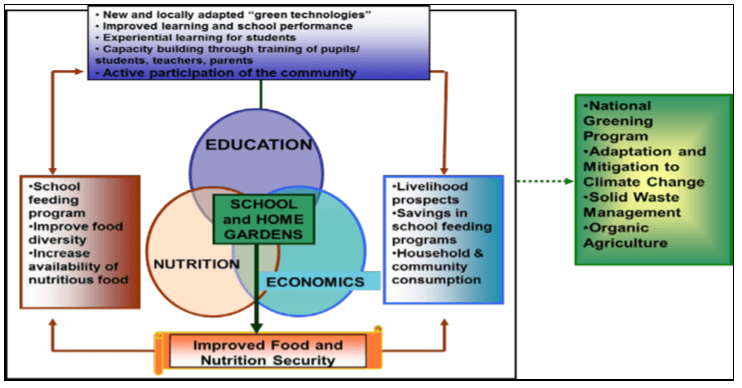
   While old school garden programs used to focus on just “educating” children on agriculture, the S+HGP of the Southeast Asian Regional Center for Graduate Study and Research in AGriculture (SEARCA) also stresses nutrition and economic and overall welfare of learners.

   Thus, its application includes homes even in urban areas that are faced with food security problems particularly in crises as the lockdowns. 

   Incidentally, lockdowns—when people could hardly go out of their homes just to buy food–  are implemented globally may lengthen indefinitely for a period of time.

   SEARCA is now replicating its S+HGP through partnerships, primarily with the Department of Education (DepEd).

   And this is open to other institutions even in urban areas that find it critically important to keep their own food gardens for food, sustainability—and many other purposes.

School+Home Garden model together with Department of Agriculture, DepEd, and LGUs

   In its pilot work on S+HGP in six schools in Laguna, SEARCA found out even parents of schoolchildren learned the multiple importance of home gardens.”

   “More than just establishing home gardens, the parents developed a greater sense of responsibility to ensure good nutrition for their children, while also saving on food expenses. It highlighted the multi-functionality of school gardens,” according to Blesilda M. Calub, Leila S. Africa, and Bessie M. Burgos—SEARCA resource persons.

   Such “multi-functionality” of great significance includes home gardens’ use to promote environmental sustainability, organic agriculture, edible landscaping, learning about climate change, and solid waste management (use of agricultural wastes as organic fertilizer).

   The S+HGP easily expanded. From the 6 pilot schools in Laguna, S+HGP is also now in 2 adopted schools, 23 sister schools, and 3 brother schools, according to the SEARCA officials, along with team members Henry M. Custodio, Shun Nan Chiang, Ann Gale C. Valles, Elson IanNyl E. gAling, and Maria Katrina R. Punto

   The S+HGP also stresses the important role in the local economy of local government units (LGU) that can provide funds for a more unified, LGU wide home gardening.

   “Plus in S+HGP promotes year-round production of nutritious food from both the school and home gardens… and (involving) LGUs to allocate funds, providing capacity building initiatives and services to maintain the school gardens or helping parents establish home gardens,” said SEARCA.

   SEARCA Director Dr. Glenn B. Gregorio said an important function of home and school gardens is in opening minds of the youth in making them appreciate farming or agri-preneurship as a potential career, business, or profession.

  Gregorio has pushed for SEARCA’s partnership with DepEd on including an agriculture subject or course into DepEd’s K-12 curriculum, particularly in senior high school, where youngsters are trained on technical-vocational skills.

   Under the pilot study, the SEARCA program aimed to increase diversity and availability of food to meet the nutritional needs of children, increase knowledge and improve skills of students, teachers, and parents on food production and nutrition, reduce food expenses, create savings, and provide an alternative source of income for families to alleviate poverty.

Multi functions of Home+School Garden Program

Pilot program results

   Under the pilot program, teachers learned to prepare cropping calendars, the sequence of plant specific crops based on good timing so harvest can be year-round. The top 10 most produced crops were mustard, pechay, okra, radish, lettuce, kulitis (amarathn), papaya, upo, patola, and talinum.

   These are other positive results of the program, according to SEARCA report:

  • The improved supply quality of fresh vegetables in the school-year studied had an estimated aggregate yield of 1,396 kilos valued at P42,559. Harvest per school ranged from 87-465 kilos depending on garden area with 19 to 77 percent used for school feeding, 0.5-36 percent shared with pupils and parent helpers, and 1-45 percent sold to other parents and teachers or cooked in class.
  • There were significant increases in height, weight, and Body Mass Index (of participating students), translating to 33 percent rehabilitation rate from wasted to normal nutritional status among the pilot elementary schools and 44 percent rehabilitation rate in the secondary school.
  •  There was an increase from 49 to 55 percent in the proportion for studetns who ate vegetables.
  •  The program became a venue for learning environmental sustainability. Topics included producing organic fertilizer from segregated biodegradable wastes, and mulching to protect soil from erosion, conserve soil moisture, control weeds, and increase soil organic matter for soil carbon build up. The mini-greenhouse provided by the project was designed with a rainwater collection system to showcase a simple climate-smart strategy to adapt to climate change.
Grade school pupils are able to eat nutritious vegetables, learn farming, and find work fulfillment from the School + Home Garden Program

Garden tools

   The S+HGP provided its participants garden inputs and tools,  a mini greenhouse with rainwater collection system for schools, garden inputs, and tools. From these, the schools produced vegetable seedlings year-round.

   “This used to be a major constraint because their practice of direct seeding exposed the seeds to too much rain, sunlight, or to insect pests. Capacity building for teachers included training on garden planning, edible landscaping, organic vegetable production and pest management, and vermicomposting,” SEARCA reported.

    In Alaminos, the pilot school was provided by the LGU with a vermicomposting shed.

   The S+HGP was funded by SEARCA and the Asian Development Bank-Japan Fund for Poverty Reduction through the SEAMEO College.

   Meanwhile, SEARCA’s K-12 curriculum program already prepares youngsters for a more in-depth professional agri-preneurship career.

   “The programs include faculty development — offering graduate scholarships in agriculture and allied degrees, short courses on agribusiness and agri-entrepreneurial mindset and education, and continuing education and professional licensure exams review services,” Gregorio said.

“The program shall embed upgraded agri-business context and examples in the K to 12 curriculum”.

   DepEd Secretary Leonor M. Briones said the DepEd will explore urban-based gardening for schools in urban areas like gardening on rooftops and pots.

“Make agriculture sexy like grafting. That is very interesting, kasi may (application) ng science iyan (Science has an application on that). Hindi ka lang nagtatanim at gumagawa ng (You are not just planting and making) organic fertilizers,” she added.

   Briones reported that there are existing schools with little farms and school sites bigger in size and even have tilapia farms.

   Gregorio said the Southeast Asian population is young — providing their respective countries many benefits because “they can become good leaders and the catalyst for economic, social, and cultural development” Melody Mendoza Aguiba