DENR anticipates recognition of Sibugay Wetland Nature Reserve as a Ramsar Site or Wetland of International Importance as contracting parties meet in Switzerland in December


June 22, 2022
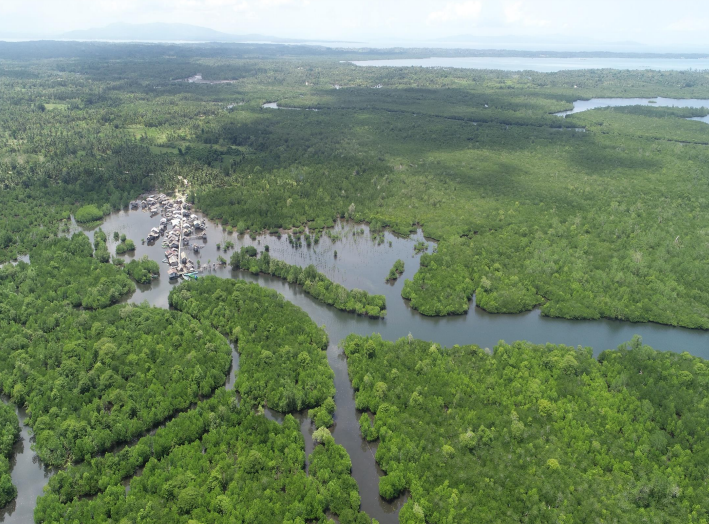
The Sibugay Coastal Wetlands (SCW) will be renamed Sibugay Wetland Nature Reserve (SWNR) as Philippines anticipates its inclusion in the Ramsar List of Wetlands of International Importance when contracting parties meet in December this year in Gland, Switzerland.
   Georgina Fernandez, Conservation and Development chief of Department of Environment and Natural Resources (DENR) in Zamboanga Sibugay, said that the Ramsar Site designation will open opportunities for international cooperation on research.  

   It will help raise funding for conservation and protection of the site.
    Provincial Eenvironment and Natural Resources Officer (PENRO) Edgardo P. Montojo said  it is important to advocate for the wise use the wetlands’ resources so it will be enjoyed by future generations. Here, the Ramsar list will play a unique role.
   DENR-Region IX is preparing the documents for the inclusion of the SWNR into the list. These will be submitted to the Biodiversity Management Bureau (BMB) – the designated Ramsar National Administrative Authority for endorsement to the Office of the DENR Secretary who will then endorse it to the Ramsar authorities.
   The effort toward the declaration of SWNR as Ramsar  site is part of conserving its rich biodiversity and the cultural heritage of Subanens and other ethnic tribes in Zamboanga Sibugay.      
   Its designation also supports the country’s commitment to the Ramsar Convention as well as to the Convention on Biodiversity and Convention on Migratory Species, said Michael F. Dela Cruz,  PENRO Sibugay Technical Services chief.
   The listing will protect the rich biodiversity of Sibugay Wetland Nature Reserve which is home to 68 waterbird species – 43 migratory species– 9 Near Threatened species and  4 Threatened species namely Far Eastern Curlew, Great Knot, Chinese Egret and Philippine Duck.


   Banded (with flags/ring) waterbirds were also documented in the wetland with banding sites from China, Taiwan, Russia, Australia, and Japan.          
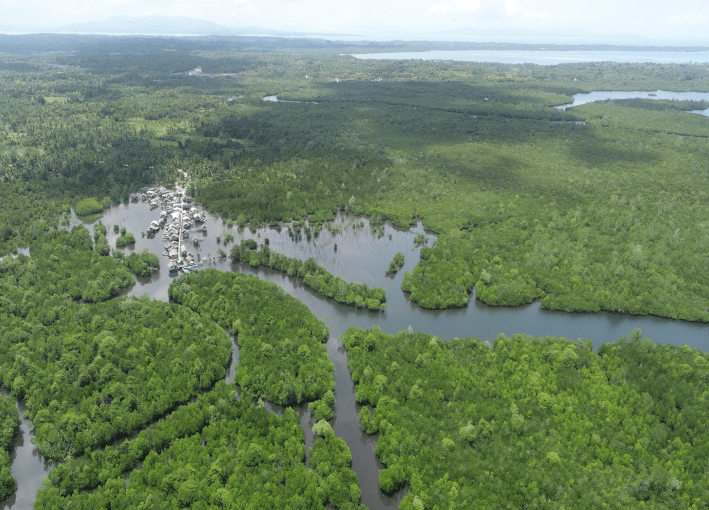
   The 172,007.25-hectare Sibugay Wetland Nature Reserve has vast areas of mangroves, mudflats, seagrass and corals.
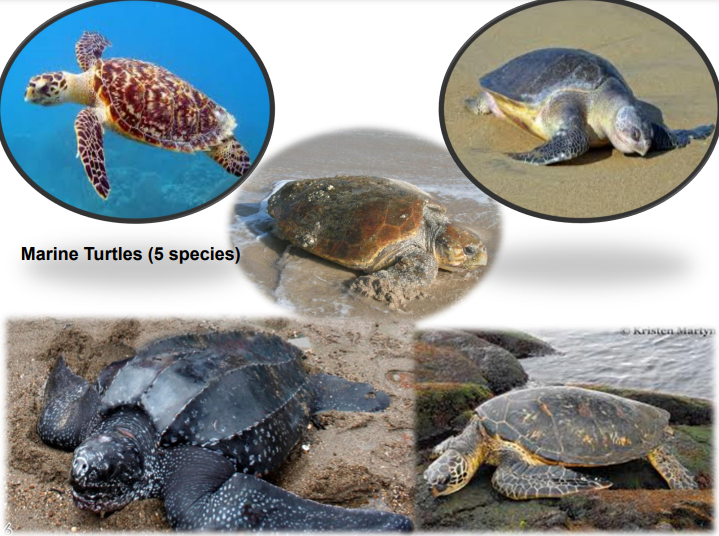
   “The mangrove forest plays a major role in the productivity of the wetland, especially for fisheries as well as roosting site for the largest Flying Fox population in the country. The wetland also serves as a staging, roosting and  foraging grounds various waterbirds, marine turtles and whale shark according to DENR wildlife experts.
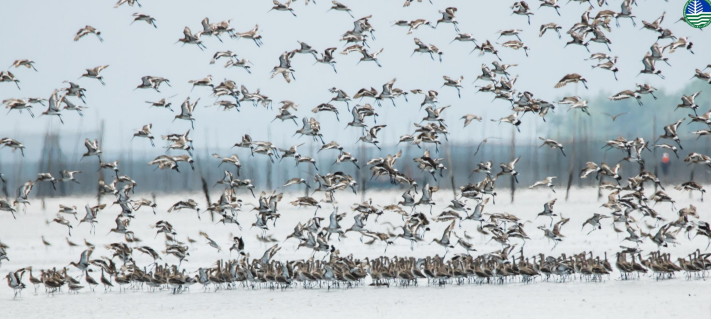
Wetlands feeds birds


   The proposed Sibugay Wetlands Nature Reserve covers 9 municipalities out of the 16 Sibugay towns.  Two Marine Protected Area Networks (MPAN) are housed in this proposed nature reserve.  
   DENR IX through PENRO Sibugay is completing in the second quarter of 2022 the Nagao Funded Project which aims to empower the local communities on the sustainable use of the wetland and its resources.
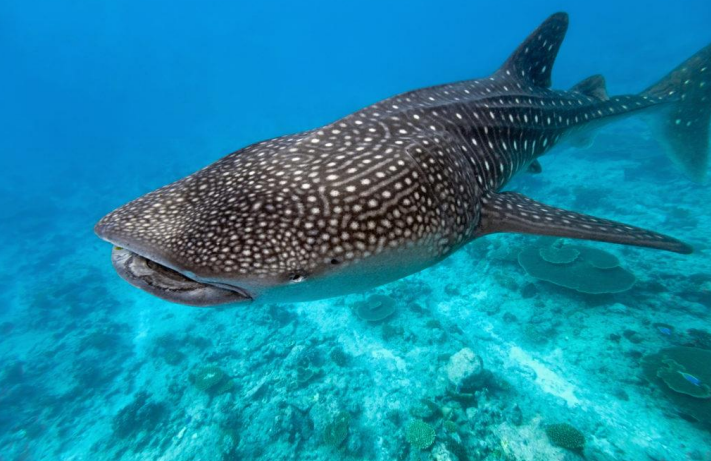
Whale shark or Butanding


   It also aims to organize and operationalize its citizen science group and implement the community-based wetland action plan, according to Fernandez, also chief of the Nagao Wetland-funded “Establishing Knowledge on the International Importance of Sibugay Wetlands:  A Means to Enhance Wise Use of the Proposed Ramsar Site.”
   The Sibugay Wetland Nature Reserve  will be Philippines’ ninth Ramsar Site when granted this recognition.  
   Other Ramsar Sites in the country are Olango Island Wildlife Sanctuary, Naujan Lake National Park, Agusan Marsh Wildlife Sanctuary, Tubbataha Reefs Natural Park, Puerto Princesa Subterranean River National Park, Las Piñas-Parañaque Critical Habitat and Ecotourism Area, Negros Occidental Coastal Wetlands Conservation Area, and
Sasmuan Pampanga Coastal Wetlands.  (Melody Mendoza Aguiba)
USAID-funded “Safe Water Project” to give safe drinking water, sanitation services to 350,000 individiauls in Palawan, Negros, Sarangani

June 20, 2022

The United States-funded Safe Water Project (SWP) will be implemented by the Department of Environment and Natural Resources (DENR) to give access to safe drinking water and sanitation services to 350,000 individuals in Palawan, Negros Occidental, and Sarangani.


Project components include a technical assistance (TA) on water chlorination for LGUs and water districts and TA to Local Water Utilities Administration (LWUA) on septage management.


The septate management covers the Supreme Court Mandamus for Manila Bay area.
Other components are exploration on diversifying surface bulk water supply in Negros Occidental and assistance in water security plans for Negros Occidental and Sarangani.

The United States Agency for International Development (USAID) has been prompted by water security challenges in the Philippines including a “growing population, unsustainable land uses, deficient wastewater management.”

“At the center of these challenges are the need for adequate supply of clean drinking water which has become increasingly elusive in many parts of the country, elimination of open defecation, especially in poorer communities, and increased access to safely managed sanitation services,” reported DENR Project Evaluation Officer Israel Helios S. Inocencio.

Climate change, typhoons, droughts, and diseases like Covid 19 are further worsening the level of stress from these water supply threats.These threaten watersheds and the integrity of water and sanitation infrastructure.

Total project cost is P922 million– equivalent to a grant of $18 million from the United States Agency for International Development (USAID). The Philippine government shoulders a fund equivalent to not less than one-third (P307 million) of the USAID grant.

The project employs the Integrated and Inclusive Water Security (IIWS) framework. This is part of the long term goal to protect the upstream water resources — the forests–where the water comes from. The National Economic Development Authority (NEDA) is a co-implementor of the project.

As such a highlight of the SWP is a livelihood component.

In this livelihood lineup is an ube production training for people’s organizations (POs) in Narra, Palawan. It involves private company Sunlight Corp.
Another livelihood component is training for the use of starter kits and farm tools for the ECLOF Organic Farm, a non-profit microfinance institution.

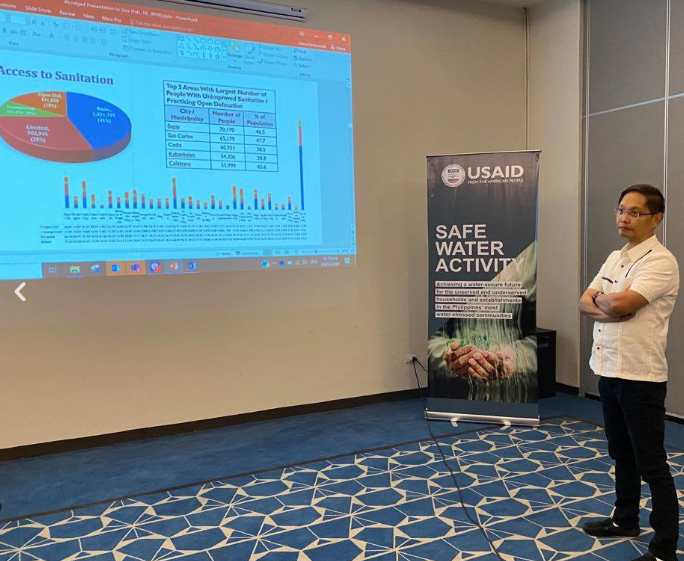
Negros Occidental Rep. Kiko Benitez listens to a presentation on Safe Water Project

Profiling of a PO in Sarangani for enterprise development will also be implemented. An estimated 150,000 people will be the livelihood beneficiaries.

Profiling of a PO in Sarangani for enterprise development will also be implemented. An estimated 150,000 people will be the livelihood beneficiaries.
A total of $20 million will be mobilized as investment for the sustainable environment operation.

The project will empower local government units (LGUs), water service providers, and watershed councils on the sustainable management of water resources.
Other beneficiaries are communities in Region 4-B (Mimaropa, Mindoro Marinduque, Romblon) , Region 6 (Aklan, Antique, Capiz, Guimaras, Iloilo) and Region 12 ( Cotabato, Sarangani, Sultan Kudarat).

The Safe Water Roadmap will provide 350,000 people access to safely managed drinking water services . A total of 1.1 million people will receive improved service quality from an existing safely managed drinking water services.
An estimated one million metric tons of greenhouse gas emissions will be reduced due to sustainable landscapes system.

Assistance on the setup of a Payment for Ecosystem Services (PES) will be extended to Puerto Princesa and Quezon in Palawan, Bago and Kabankalan in Negros Occidental and Sarangani.
The Safe Water Project is being implemented over five years until 2024. (Melody Mendoza Aguiba)

Bayer Philippines pilots Mama & Baby Care project in Tuy, Batangas, to train at least 100 BHWs on maternity and infant care

June 7, 2022

BATANGAS, PHILIPPINES — As the country adjusts to the new normal, a study by the United Nations Population Fund (UNFPA) and University of the Philippines Population Institute (UPPI) revealed that the pandemic disrupted family planning and maternal and newborn health services in the Philippines and globally, straining already stretched out government healthcare workers.

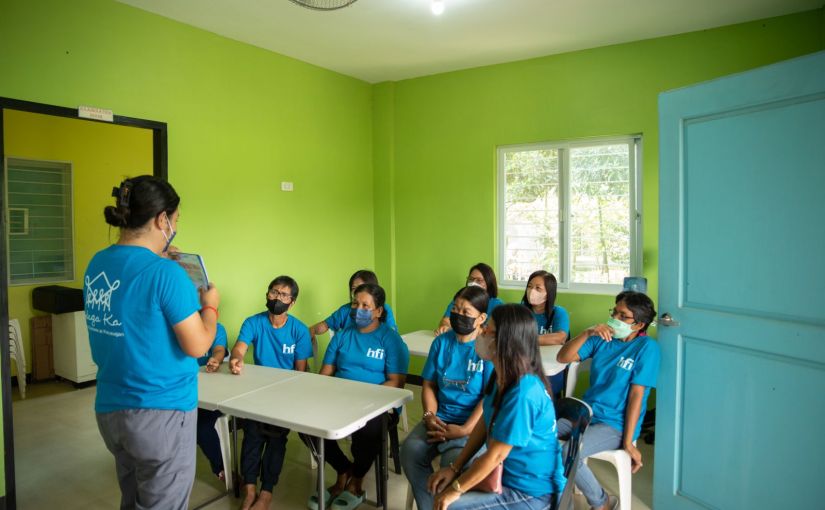
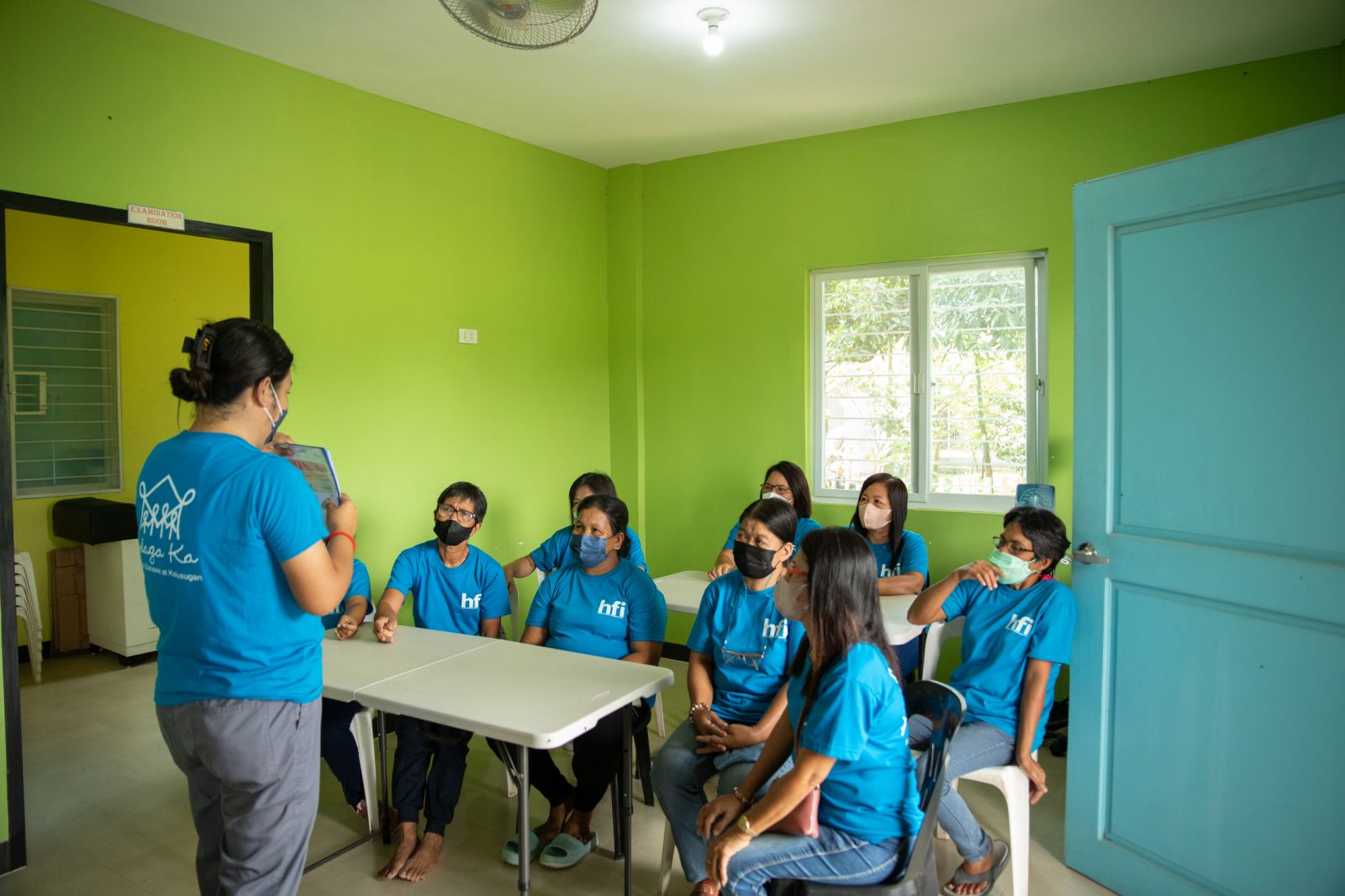
Barangay Health Workers at Brgy. San Jose, Tuy, Batangas receive training for the “Mama & Baby Care” project of Bayer Philippines and Health Futures Foundation Inc. (HFI)

In its commitment to championing women’s health and safety, Bayer Philippines Inc. launched the “Mama & Baby Care: The First 1,000 Days” project, an initiative that formally trains at least 100 Barangay Health Workers (BHW) with the fundamental modules needed for maternity and infant care.

The First 1,000 Days

Supported by Bayer, a global life sciences company, Bayer Philippines Managing Director Angel-Michael Evangelista remarks Bayer is committed to helping BHWs care for mothers and newborn children.

“At Bayer we support ‘health for all, hunger for none’, and with this project, healthcare workers are equipped with the knowledge to support both mother and child during that critical stage of development and help set the foundation for good health early on in life,” said Evangelista.

The training modules, developed by HFI, give prominence to practical information on properly and safely caring for pregnant women and their babies during the first 1,000 days from conception.

From the formational pregnancy period when the fetus grows and develops inside the womb for 270 days, until the infant’s first 730 days after birth, the program highlights the support and care health workers can provide.

“Mama & Baby Care” also puts special emphasis on training healthcare workers in the local barangays to offer ready support for mothers closer to home, lessening the need for pregnant women to spend hours in transit just to make it to their regular check-ups in nearby cities.

By empowering BHWs with trainings on maternal and infant care, local governments provide access to safe motherhood in areas where such services are not available.

“Working with Bayer Philippines, the program fills in the need for maternal and infant healthcare in the local setting, hence the strategic move to focus on barangay health workers. Currently, there are very few programs targeted specifically on the first 1,000 days from the baby’s conception, which our two teams saw as a crucial gap that needed to be addressed. We hope to champion healthy infancy and toddlerhood by starting from the formative days of safe motherhood,” shares HFI Chair Dr. Jaime Galvez Tan.

Bayer Philippines, Health Future Foundation Inc. and representatives from the local government of Tuy at the community launch event of Mama & Baby Care at Tuy, Batangas.
In photo: (L-R back row: Incoming ABC President Hon. Kap. Ramil Sanchez, Tuy BHW President Nancy Delfinado, Tuy RHU – Public Health Nurse Alma Capricho, and Current ABC President Hon. Kap. Adrian Perez) (L-R front row: Tuy MHO Dra. Pilar, Bayer PH
Communications Manager Nadira Abubakar, HFI Chair Dr. Jaime Galvez Tan, MD MPH, and Executive Assistant Domingo Condicion to represent Batangas Mayor Randy Afable)

Tuy Municipal Health Officer Dr. Pilar Adrias, also comments, “Pregnancy and the early stages of motherhood are no doubt challenging, but with an efficient and capable support system around them, we hope to lighten the burden of new mothers across the Philippines.”

Already before COVID-19, the Philippines saw about 2,600 women dying every year due to complications from pregnancy or childbirth. The maternal mortality cases in 2020 can increase to up to 670 additional deaths from the 2019 level (26 % increase).

At a community event on May 30, 2022, “Mama & Baby Care” stakeholders officially marked the beginning of the project.

The event was attended by representatives from Bayer Philippines, partner organization Health Futures Foundation Inc. (HFI) Chair Dr. Jaime Galvez Tan, and spokespersons from the local municipality of Tuy and its community of healthcare workers– Tuy Municipality Health Officer Dr. Pilar Adrias, Tuy BHW President Nancy C. Delfinado, and Tuy ABC President Adrian Perez.
References:

UNFPA Philippines | Significant rise in maternal deaths and unintended pregnancies feared because of COVID-19, UNFPA and UPPI study shows – https://philippines.unfpa.org/en/news/significant-rise-maternal-
deaths-and-unintended-pregnancies-feared-because-covid-19-unfpa-and

Sibugay Coastal Wetlands to be nominated to the Ramsar List of International Importance

June 6, 2022

The government will nominate the Sibugay Coastal Wetlands hto the Ramsar List of Wetlands of International Importance as part of conserving its rich biodiversity and the cultural heritage of Zamboanga Sibugay’s Subanens and other ethnic tribes.


The Sibugay Coastal Wetlands (SCW) will be Philippines’ eighth on the Ramsar List when granted this recognition.

Wetlands feeds birds


The listing will protect its rich wildlife which is home to 53 waterbird species– 37 migratory waterbirds and 11 threatened migratory waterbirds.


The Department of Environment and Natural Resources (DENR) is completing in the second quarter of 2022 the project “Establishing Knowledge on the International Importance of Sibugay Wetlands: A Means to Enhance Wise use of the Proposed Ramsar Site.”


Sibugay Wetlands’ 187,000-hectare area has been extensively planted with mangroves totalling 5,155 hectares. It has mudflats (bay mud) spanning 1,607 hectares.


“The mangrove forest plays a major role int he productivity of the wetland, especially for fisheries as well as roosting site for the largest Flying Fox population. Sibugay Wetlands serves as a staging, roosting, foraging and breeding grounds for various waterbirds including migratory species,” according to DENR wildlife experts.

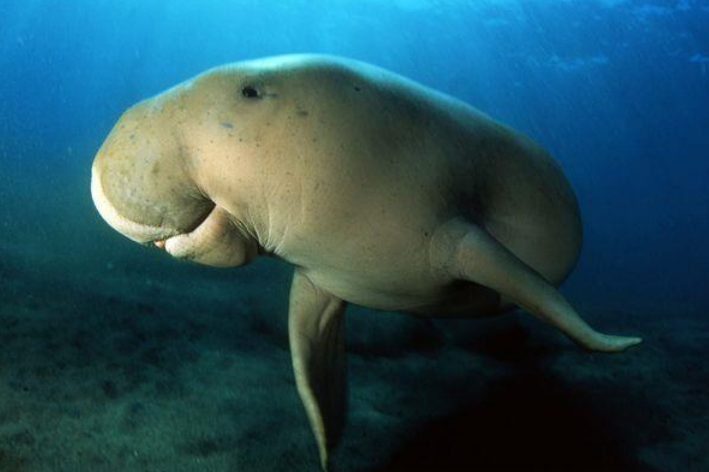
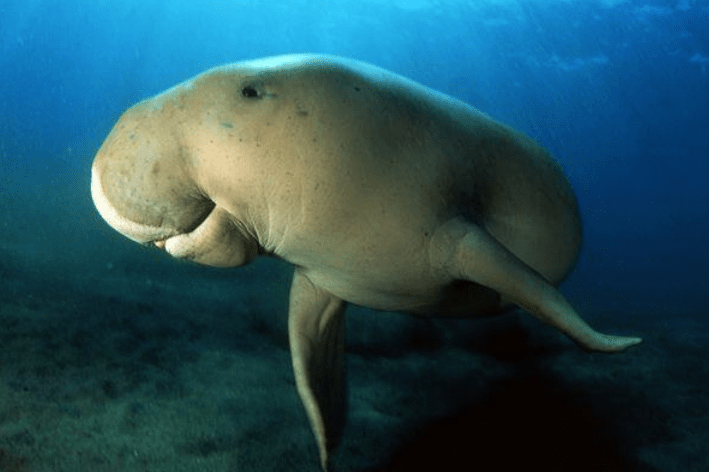
Sea cow or dugong

As part of the conservation plan, DENR will empower the local communities on the sustainable use of the wetland and its resources. That will give them livelihood to keep them away from destroying such environmental wonder.

“The bay supports fishing and other marine related livelihood which serves as the main source of subsistence for most of the coastal barangays.”


Marine turtles

The DENR study will generate detailed bilogical and physiochemical data, and information on ecosystems services of Sibugay Wetlands. It is also now completing Communication Education Public and Awareness (CEPA) sessions and capability building of the community.

The project includes the wetlands’ assessment, distribution of maps of wetland resources, and CEPA within the coastal wetlands, and a workshop on the formulation of community-based wetland action plan.

The SCW project is funded by the Nagao Wetland Fund for P936,000. Implementor also includes DENR’s Biodiversity Management Bureau (BMB) and the Provincial Environment & Natural Resources OFfice-Zamboanga Sibugay.

SCW also supports threatened species such as marine turtles, Whale shark, Sea Cow, and Saltwater Crocodile. The vast mudflat is home to a variety of oysters, scallops, and other mollusks.


Whale shark Butanding

Endangered Far Eastern Curlew were recorded. Banded-flagged birds were also documented with banding sites from Nan Pu mudflat, Bohai Bay, China; Chongming Dao, Shanghai, China, Khairusova and Belogovaya Rivers estuary, Russia; Australia, and Japan.

The Ramsar List promotes conservation and sustainable use of wetlands. It recognizes wetlands’ international significance based on its “ecology, botany, zoology, limnology (study of inland waters) or hydrology.” (Ramsar Convention).
Philippines’ other wetlands on the Ramsar List are Agusan Marsh Wildlife Sanctuary,
Las Pinas Paranaque Critical Habitat and Ecotourism Area, Naujan Lake National Park, Negros Occidental, Coastal Wetlands Conservation Area, Olango Island Wildlife Sanctuary, Puerto Princesa Subterranean River National Park, and Tubataha Reefs Natural Park. (Melody Mendoza Aguiba)

$11 million grants extended by UNDP Small Grants Programme to Philippines in 25 years 

May 26, 2022 

Department of Environment and Natural Resources (DENR) Acting Secretary Jim O. Sampulna underscored the importance of building the resilience of community-based organizations (CBOs) in undertaking conservation and livelihood interventions as the country launched the Seventh Operational Phase of the United Nations Development Programme-Global Environment Facility (UNDP-GEF) Small Grants Programme (SGP-7) on April 8, 2022. 

       The SGP 7, which is being implemented by the UNDP-Philippines through the Foundation for Philippine Environment and with support from the GEF and DENR-Biodiversity Management Bureau (BMB), empowers CBOs including women, indigenous peoples, and youth through community-led projects that aim to achieve global environmental benefits while improving livelihood and reducing poverty. 

         Since 1992, SGP has implemented 26,429 projects in 136 countries. 

         In the Philippines, over US$11 million in grants have been distributed over the past 25 years. 

           With the launch of the SGP-7, Sampulna said that a more holistic landscape strategy will be implemented for the project sites in Aurora province, Catubig Watershed in Northern Samar, Calamianes Group of Islands in Palawan, and Siargao Protected Landscape and Seascape in Surigao del Norte. 

     “It is urgent that we strengthen the resilience of our CBOs as they are the frontliners in undertaking conservation and livelihood interventions. In this period of climate change and biodiversity degradation impacts on communities and ecosystems, a more integrated effort of weaving together interventions is essential,” Sampulna said. 

        SGP-7 targets to support community organizations in enhancing the socio-ecological resilience of the four target landscapes through community initiatives to produce global environmental and sustainable development benefits. 

   The initiatives will be identified and implemented to support landscape level strategies formulated by multi-stakeholder groups composed of representatives of landscape communities, local government authorities, non-government organizations (NGOs), and the private sector. 

    The seventh operational phase also targets to effect change towards strengthening governance systems even for disaster response, recovery and resilience building. 

       “Catastrophic incidents like the onslaught of Typhoon Odette highlight the urgent need to continue our efforts on disaster risk reduction and resilience building,” UNDP Philippines Resident Representative Dr. Selva Ramachandran said. 

         “These devastating events exacerbate the already limiting and unpredictable situation brought by the COVID-19 pandemic. The promising changes being offered by SGP-7 are expected to effect change towards strengthening governance systems even for disaster response, recover, and building resilient communities,” Ramachandran pointed out. 

       The strategies that will be used for implementing the program will include expanding the coverage of protection mechanisms over actual Key Biodiversity Areas and critical habitats; maximizing the Expanded National Integrated Protected Area Systems or E-NIPAS law; and increasing the support for indigenous peoples’ socio-cultural values about biodiversity through support for local community managed areas. 

Likewise, Building CBOs-People’s Organizations-government partnerships; increasing stakeholder participation; biodiversity-friendly and climate-resilient livelihoods and enterprises; and capacity building of communities and local government units are also included as strategies for implementation. 

   The program is expected to benefit NGOs, the academe, indigenous peoples, community groups, local governments, other sector agencies, and private sectors.

Amid imminent “food catastrophe,” government urged to support private businesses that invest 95% of agricultural production

May 25, 2022

The private sector has pressed government to bolster support for private businesses given the imminent “food catastrophe” arising from many global phenomena topped by the Russian invasion that compel food producers to ban export.

Russia, Ukraine, India, among others, have already stopped wheat exports while many other countries contemplate to keep their food production for their own security.

As such, Philippines faces food security threats, along with soaring food prices, because of its heavy food import dependence.

Philippine Chamber of Agriculture and Food Inc. (PCAFI) President Danilo V. Fausto said the private sector plays a critical role now that the country still lurks with travails from Covid 19.

“Government should provide the right environment and incentives for the private sector to invest, expand their production, value chain and supply chain logistics,” said Fausto at PCAFI’s first face-to-face assembly two years since the pandemic began.

“Government should not kill them with competition from cheap and subsidized imported products.”

While the Department of Agriculture (DA) has made importation its pivotal policy to produce food, this is a mere short term solution.

“Providing cheap food for the consumers and fighting inflation through imports is a short term solution. Producing our own food requirements, although a longer process, will be more sustainable for our people,” Fausto said.

The private sector provides 95% of the investments that bring about agriculture production, he stressed.

In the face of world hunger, the more should agriculture sector get a bigger share in budgetary increase even despite the country’s ballooning debt of P12.7 trillion.

“We appeal that food production should not be sacrificed as the Department of Budget and Management undertakes hair-cuts for future budget allocation.”

Livestock and poultry, contributing a third or 30% of agricultural production should get a sizable budget from only 3-4% of the DA budget.

With the supply of imported feed wheat now limited, local corn production should be raised. Corn supply is currently at measly 57% sufficiency level. Feed wheat is an alternative to corn which represents 60% of feed ingredients. Feed itself represents around 70% of cost in growing chickens and pigs.

Cheaper alternative to feed inputs should be tapped as those developed by Filipino scientists from University of the Philippines Los Banos.

DA should promote use of inorganic oil-based fertilizers, utilizing organic materials, resulting in equally high yield and efficient production of rice and other crops.

PCAFI expects ratification of the Philippine Livestock Industry Development Act.
It has repeatedly appealed for the establishment of a first border quarantine facility, undertaking food safety measures amid the debilitating African swine flu and fighting smuggling of agriculture products.

All tax revenues derived from imported commodities must be utilized to the same sector where it was generated to help develop the said industry.

If the Regional Comprehensive Economic Partnership (RCEP) is ratified, incentives should be given for export winners to expand jobs creation. More protection should be granted to losing products facing stiffer competition from imports.

“More products have to be supported to expand our variety of agricultural exports to bring in more dollars, We must not suffer the same fate from our painful lessons when we joined the World Trade Organization,” said Fausto.

“Appropriate laws were passed by Congress and the Senate. But the implementation of these laws were not done to keep our affected agriculture sub-sectors protected, compared to other countries like Vietnam and Thailand.”

PCAFI also presses government to implement the following long awaited programs.

  1. Establishment of reliable and real time data information system.
  2. Incentives to investments and easy access to credit and capital. Review of the implementation priorities of Philippine guarantee fund.
    Out of the total outstanding guarantee done by Philippine Guarantee Corp. (PGC) of ₱207 billion, only ₱500 million is for agriculture credit and ₱300 million for micro small medium enterpries (MSMEs).
    But a whopping ₱203 billion is allocated for real estate, benefitting big developers that do not need to be guaranteed by government.
    The farm sector also needs more the institutionalization of the use of warehouse receipts in guaranteeing credit which is a former function of the bankrupt Quedan and Rural Guarantee Corp.
  3. Rationalizing legal framework for the use of generic seeds for corn and balancing the use of organic fertilizers to reduce dependence on expensive oil- based inorganic fertilizers
  4. Accelerate effort to farm consolidation and clustering for mechanization and economies of scale. (Melody Mendoza Aguiba)

UBRA poultry farmers opposes reappointment as DA secretary of Dar who promoted ‘vested interests’ of food importers 

May 20, 2022 

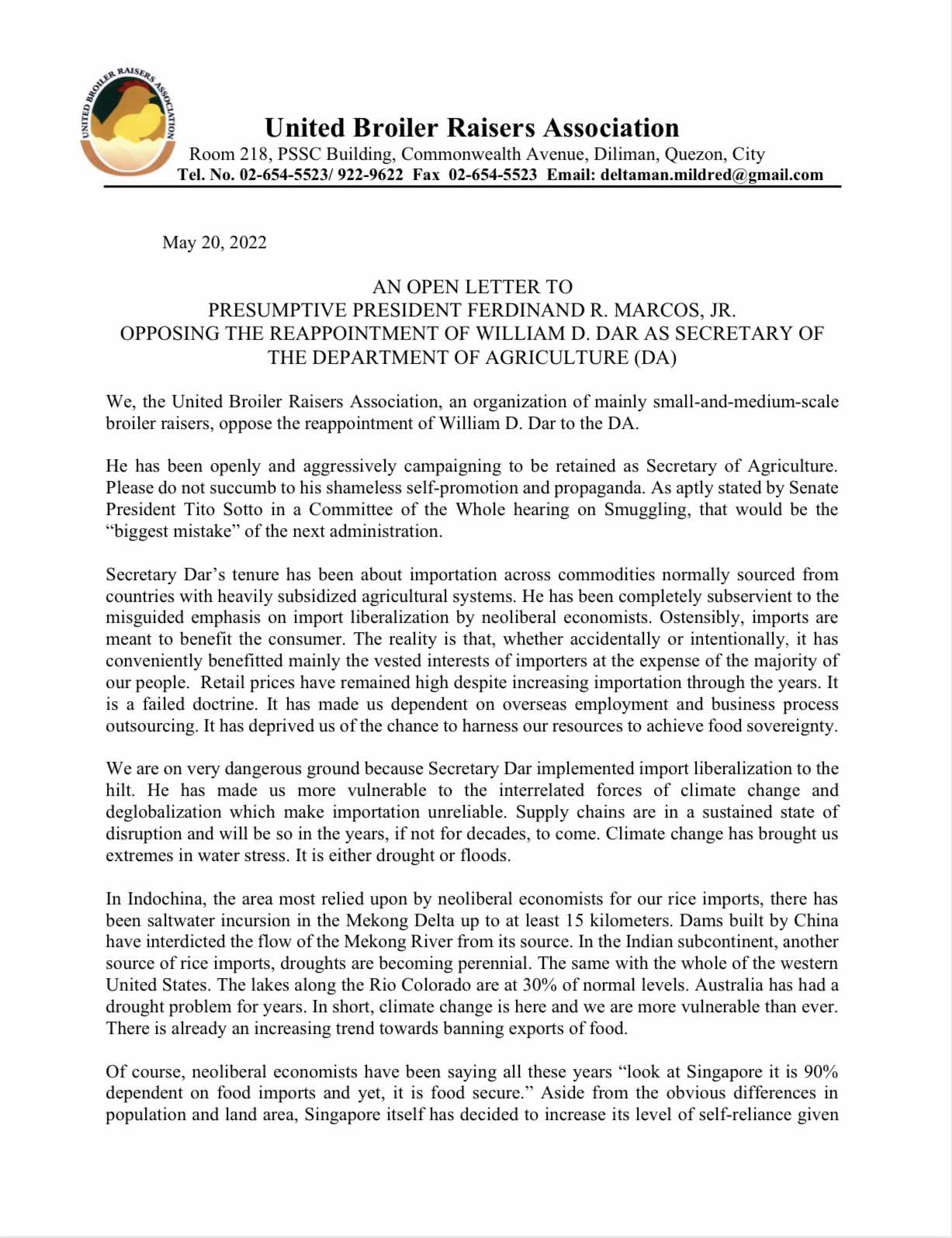
The United Broilers and Raisers Association (UBRA) has opposed the reappointment of Department of Agriculture (DA) Secretary William D. Dar who has promoted a regime of importation and the “vested interests” of importers “at the expense” of farmers. 

In an open letter to President-elect Ferdinand Bongbong R. Marcos Jr., UBRA said Philippines and its farmers became sacrificial lambs on Dar’s import policy that failed to lower food prices. 

Such misguided neo-liberalist position neglected to harness Philippines’ resources to achieve “food sovereignty.” 

“He (Dar) has been completely subservient to the misguided emphasis on import liberalization. The reality is that whether accidentally or intentionally, it has conveniently benefitted mainly the vested interests of importers at the expense of the majority of our people,” UBRA said led by its president, Lawyer Jose Elias M. Inciong.

  “Retail prices have remained high despite increasing importation through the years. It has made us dependent on overseas employment and business process outsourcing.” 

UBRA cited that during Dar’s term (2020), Commission on Audit’s (COA) found P9.454 billion in disallowances, audit suspensions, and charges, P17.542 billion in unliquidated fund transfers to implementing agencies and non-government organizations, P20.21 billion unliquidated fund transfers in prior years, and P9.806 billion returned to national treasury.  

Dar will be worsening Philippines’ vulnerability to climate change, consequently, food security.  

This is as irrigation source for rice farming has been adversely limited by conflict posed by China and droughts in countries where Philippines sources its food imports. 

“In Indochina, the area most relied upon by neoliberal economists for our rice imports, there has been saltwater incursion in the Mekong Delta up to at least 15 kilometers. Dams built by China have interdicted the flow of the Mekong River from its source,” Ubra said in the letter also signed by its chairman Gregorio San Diego.  

“In the Indian subcontinent, another source of rice imports, droughts are becoming perennial. The same with the whole of United States. The lakes along Rio Colorado are at 30% or normal levels. Australia has had drought problems for years. There is an increasing trend for banning export of food.” 

It will be the Marcos’s administration’s biggest fault to reappoint Dar.  

“He has been openly and aggressively campaigning to be retained as secretary of Agriculture. Please do not succumb to his shameless self-promotion and propaganda. As aptly stated by  Senate President Tito Sotto in a committee hearing on smuggling, that would be the ‘biggest mistake” of the next administration.” 

While some import liberalists assert that Singapore is a progressive food-importing nation, UBRA said “Singapore itself has decided to increase its level of self reliance given its limitations.” 

Singapore aims to reduce its food importation from 90% to 70%. That, despite its small population. End 

“Secretary Dar’s tenure has been about importation from heavily subsidized agricultural systems. We are on very dangerous ground because he implemented import liberalization to the hilt.   It (reappointing Dar) will not be an act of shooting oneself in the foot but in the head,” said UBRA. (Melody Mendoza Aguiba)

Benefit sharing scheme to open economic opportunities for rural communities, Indigenous People from Ph “genetic” wealth 

May 13, 2022 
 
A benefit sharing scheme will be implemented by the government to ensure Philippines’ own “genetic” wealth from endemic plants and animals will give economic opportunities to indigenous people (IP) and poverty-stricken rural communities. 
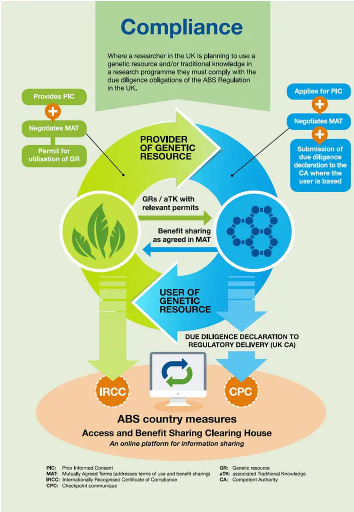
   The Access and Benefit Sharing (ABS) framework from the country’s genetic wealth will be adopted by the Department of Environment and Natural Resources (DENR) as its compliance to the Nagoya Protocol (NP). 
    The NP is a 2015 global agreement for the access of all to genetic resources and traditional knowledge and their equitable economic sharing.  

A genetic resource is a physical object of biological origin and the intellectual information associated with it such as traditional knowledge (Learn Nagoya). An example is a native people’s knowledge on the use of a plant as treatment for an illness. 

Nagoya Protocol. Credit- Cryoarks

  The poorest of society that come from ancestral domains (indigenous people) in the boondocks and rural communities are among targeted beneficiaries of the treaty.   
   The DENR project will be carried out over six years to be financed under the seventh cycle of ghe Global Environment Facility (GEF) through the United Nations Development Program (UNDP). 
   ”The project will increase economic opportunity and biodiversity conservation for local communities and IPs stemming from fair and equitable sharing  of biodiversity benefits,” according to a memorandum for DENR-Biodiversity Management Bureau (BMB) Director Natividad Y. Bernardino. 
   The project “Implementing the National Framework for Access and Benefit Sharing of Genetic Resources and Associated Traditional Knowledge”  costs a total of $26.015 million.  Of this, $4.384 million is taken up by GEF and $21.631 million is co-financed by Philippines, mainly government. 
   The first component of the project is harmonizing policies with the Nagoya Protocol on bioprospecting policies and scientific research.   
   These policies include commercialization of genetic resources on flora and fauna (plants and animal life).   
   Over the last decade,  scientific research activities have surged due to the rise of intellectuals and “Balik Scientist” Filipinos from abroad.   These intellectuals were given incentives by the Department of Science and Technology (DOST)  to participate in the local “brain gain.” 
   Filipino researchers have been exploring the production of drugs, pharmaceutical products, natural ingredients for food, clothing and raw materials for home furnishings, commercial products, and industrial products such  as commercial vehicles’ accessories.   

They have been tapping Philippines’ natural resources of plants and animals from its rich biodiversity. 
   “Research undertaking with the private sector for possible uptake will be established,” according to the report submitted by DENR-Foreign Assisted and Special Projects Services Assistant Director Sabrina R. Cruz. 
   The Philippines was one of the first countries to implement access and benefit sharing under Article 15 of the Convention on Biological Diversity (CBD) through Executive Order 275 (1995). 
   It has since been amended by the Wildlife Act (Republic Act or RA 9147) and supported by the Indigenous People’s Rights Act (RA 8371 of 1997). 
    The DENR-BMB will lead the project.  Other implementing partners are Ecosystems Research and Development Bureau, DENR Regions 3 and 4, Department of Agriculture (DA), PENRO (Provincial Environment and Natural Resources Office)-Sorsogon, National Commission on Indigenous People (NCIP), DOST,  and local government units (LGUs). 
   The second component consists of information dissemination on the national policy on access to these genetic resources.   
   Policies on Intellectual Property Rights (IPR– patents and commercial licensing instruments) will be strengthened.   It will carry out capacity building for IPs and local communities in asserting their rights over their Indigenous Knowledge Systems and Practices (IKSP). 

Nagoya Protocol. Credit-Learn Nagoya 


   The third component consists of facilitating negotiation for ABS agreements.   
   “It will support community protocols for security Prior Informed Consent (PIC) and Mutually Agreed Terms (MAT) to ensure fair and equitable sharing of both the monetary and non-monetary benefits of genetic resources.”  (Melody Mendoza Aguiba)

DENR socio-economic resilience project in Catubig Watershed to sustain Samar Protected Landscape, support rice farmers  


May 9, 2022  

A Department of Environment and Natural Resources (DENR) project to build socio-economic resilience in the Catubig Watershed will protect the Samar Protected Landscape and Seascape while supporting the livelihood of rice farmers, craftsmen, and fishers.  

The Small Grants Programme (SGP) Phase 7, funded by the Global Environment Facility (GEF), was launched by DENR last April 8.   

It involves livelihood and biodiversity projects in four sites. These are in Aurora province (Sierra Madre), Calamianes Group of Islands in Palawan, and Siargao Protected Landscape and Seascape in Surigao del Norte.  

Phase 7 sustains the project that was started under GEF-Phase 5.  

The DENR-GEF SGP-7’s work in Catubig Watershed may have the biggest environmental and socio-economic growth impact among Samar natives.  

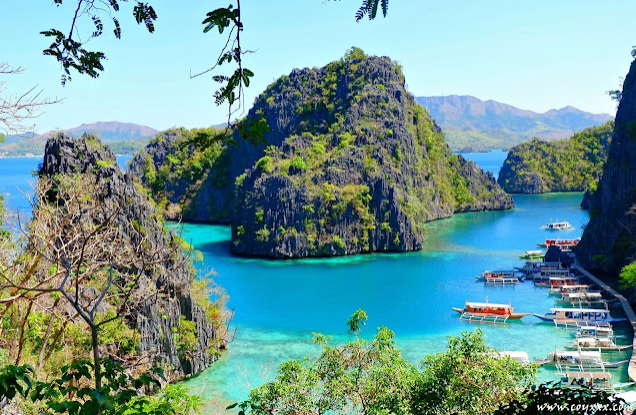
Calamianes Island, Palawan. Credit Coyxxx

While known to have a rich biodiversity profile with mixed dipterocarp forests, Samar Island is also known as the most cyclone-prone region in the country.   

The National Economic and Develoment Authority reported in 2015 that Northern Samar, where the Catubig Watershed is located, had a poverty incidence of 61.6 percent. This makes it one of the country’s poorest provinces.  

The SGP-7 costs $13.78  million of which $4.436 million comes from a GEF grant. The Philippine government co-finances $9.214 million. “  

“It is urgent that we strengthen the resilience of our community-based organizations. They are the frontliners in conservation and livelihood interventions. In this period of climate change and biodiversity degradation, a more integrated effort of interventions is essential,” DENR Secretary Jim O. Sampulna said.  

Siargao Protected Landscape and Seascape. Credit Travel Guide Pinoy

Greg Sarmiento, executive director of the Eastern Visayas Partnership for Rural Development, said the launch of SGP-7 is timely due to recent climate hazards experienced in the province.   

The Samar Island Natural Park is the second largest natural park in the Philippines covering 335,107 hectares. It has the country’s largest contiguous tract of old-growth forest.   

The Catubig Watershed is a major source of water supply in the household. The newly completed dam whose water comes from Catubig Watershed irrigates some 8,000 hectares of rice farm.   

“Catastrophic incidents like the onslaught of Typhoon Odette highlight the urgent need to continue our efforts on disaster risk reduction and resilience building,” UNDP Philippines Resident Representative Dr. Selva Ramachandran said. 


Samar Island Natural Park. Credit- Vismin.ph

“These devastating events exacerbate the already limiting and unpredictable situation brought by the COVID-19 pandemic. The promising changes being offered by SGP-7 are expected to effect change towards strengthening governance systems even for disaster response, recover, and building resilient communities.”    SGP-7 has a livelihood component. The project encourages natives to engage in biodiversity friendly enterprises (BDFEs) in order to help veer them away from illegal logging and fishing activities. (Melody Mendoza Aguiba)
DENR project maps accreditation of People’s Organizations as “good forest stewards” in light of aim to export forest products, industrialize  

April 30, 2022  

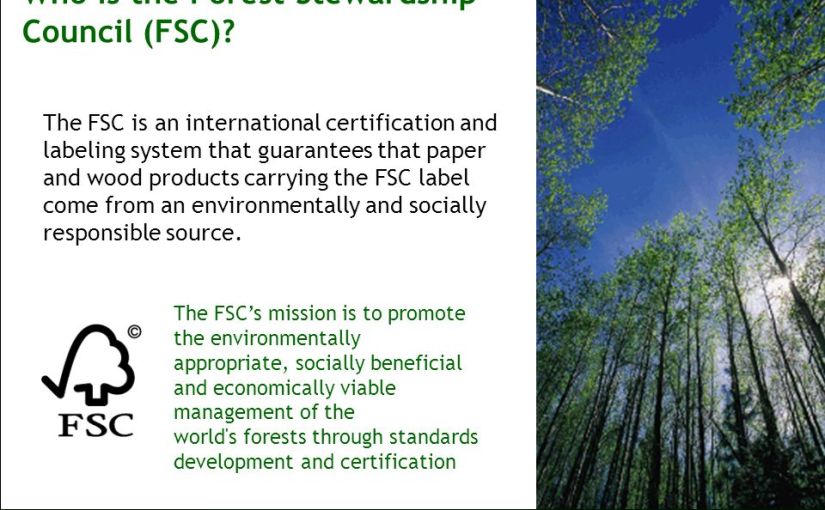
The Department of Environment and Natural Resources (DENR) is mapping an accreditation system for People’s Organizations (PO) to become certified “good forest stewards” under the Forest Stewardship Council (FSC) especially as POs desire to export their forest products.  

   POs are now planned to be accredited by DENR even as Philippines hopes to pursue industrialization that will require excellent management of natural resources.  

   “PO accreditation is an important mechanism to transform POs into exemplary resource managers. POs are considered as ‘de facto’ managers, a partner rather than a contractor,” according to DENR Assistant Secretary Marcial C. Amaro.   

  Amaro said there is a need to revisit the draft Department administrative Order on PO accreditation in order to put this policy in place.  

“(We need) to conduct a national consultative meeting for possible institutionalization of PO accreditation with concerned CBFM (Community Based Forest Management) personnel by the fourth quarter of 2022,” he said.   

The PO accreditation will have a significant role in providing a sustainable livelihood for upland residents in order to discourage them from illegal logging and illegal wildlife hunting. The accreditation system was piloted as under DENR’s project Integrated Natural Resources and Environmental Management Project (INREMP).  

   “The pervasive problems of poverty and landlessness have driven people to using public lands.  Inevitably, POs have become important players in the management of public land—timberland and multiple-use zones in protected areas,” said Dr. Manuel L. Bonita, DENR INREMP consultant.  

   The accreditation under FSC standards will enable POs to have easier access to export markets that look for international forest management certification.   

   Some 20 POs operating in nine provinces in four regions have already been accredited through the piloted accreditation program in 2019-2021 of INREMP. Having gained the trust of INREMP, the POs were allowed to enjoy substantial cash advances as  an intervention to natural resources management.  

   This allowed INREMP to accelerate lagging disbursement of the project’s fund.  

   ”In the future, forest products chain-of-custody must be added to the PO Accreditation System. This facilitates regulation of forest product harvesting  and inhibit corrupt practices,” said Bonita  at an INREMP Exit Conference last April 21.   

   DENR wants to sustain the accreditation program even after the closure of INREMP which is now on-going until June 2022.  

   POs are beneficiaries of DENR’s forest management contracts — Community Based Forest Management Program (CBFMP) and National Greening Program (NGP). The success of CBFMP and NGP depends on the transformation of POs into certified resource managers.   

   Being an accredited resource manager, one should abide by the Principles, Criteria, and Indicators (PCI) of good forest stewardship.   

   A PO applying for accreditation goes through an initial assessment and a series of annual assessments.    

   “An exemplary PO should not slide backward into an irresponsible resource manager,” said Bonita.     

   PO certification can be a testing ground for forest certification and “ultimately as an alternative or precursor to forest certification” (Melody Mendoza Aguiba)