DENR partners with KGV, Forest Foundation, Holcim, planted more than 300 hectares of coffee, abaca, bamboo, ratttan in Mt. Kitanglad

August 9, 2021

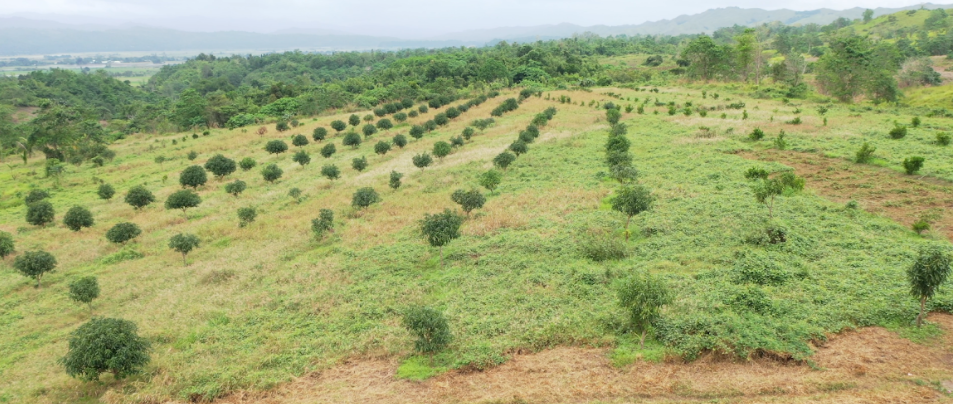
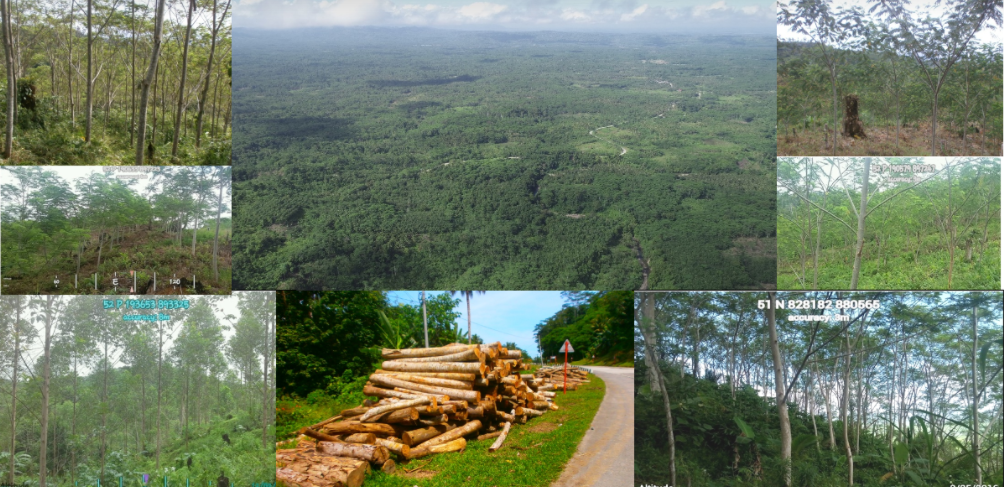
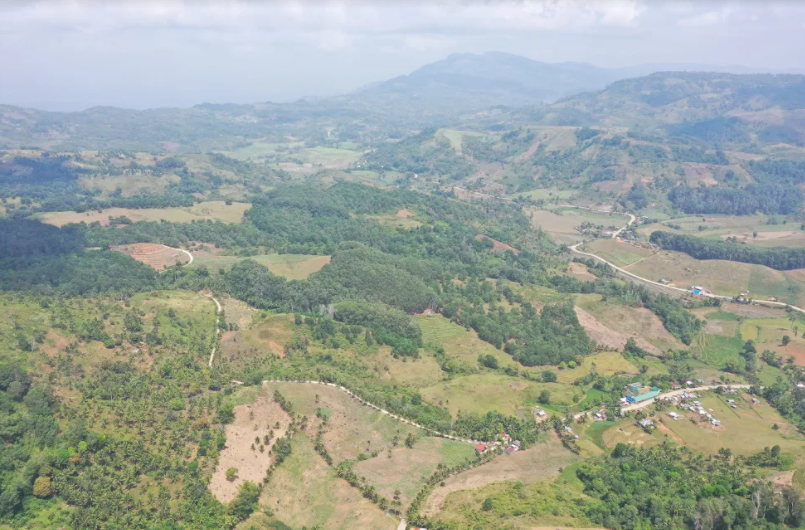
The government has successfully partnered with Kitanglad Guard Volunteers (KGV) , Forest Foundation Philippines, and Holcim Corp, to plant more than 300 hectares of coffee, abaca, and bamboo as a sustainable agroforestry system to protect Bukidnon’s Mt. Kitanglad.

   The Department of Environment and Natural Resources (DENR) has proven that volunteerism and partnership with the private sector and non-government organizations (NGOs) work in long term aims to protect the environment.

   “Despite the limited manpower assigned in Mt. Kitanglad, the Protected Area Management Board (PAMB) has successfully tapped the cooperation of the upland communities to spearhead the community- based park protection,” said Daniel F. Somera, protected area superintendent of MKRNP.

   More than 400 volunteers that form KGV now serve as contractors of the DENR’s National Greening Program.

   “KGV started its humble beginning with only more than a dozen members in 1995. They rose to more than 400 volunteers who proved their worth in the significant decline of man-made disturbances within the park. Their park protection is also being reciprocated as they are given top priority in the provision of livelihood assistance,” said Somera.

   A combination of agroforestry (planting of fruit trees, dipterocarp or broad-leafed tropical trees, and vegetables) and assisted natural regeneration (ANR–maintenance of existing naturally growing trees) has been implemented by DENR in MKRNP. 

   This resulted in the sustainable development of forestry area with 100 hectares of coffee trees, 100 hectares of abaca, 100 hectares of fuelwood trees, 100 hectares of rattan, and 50 hectares of bamboo.
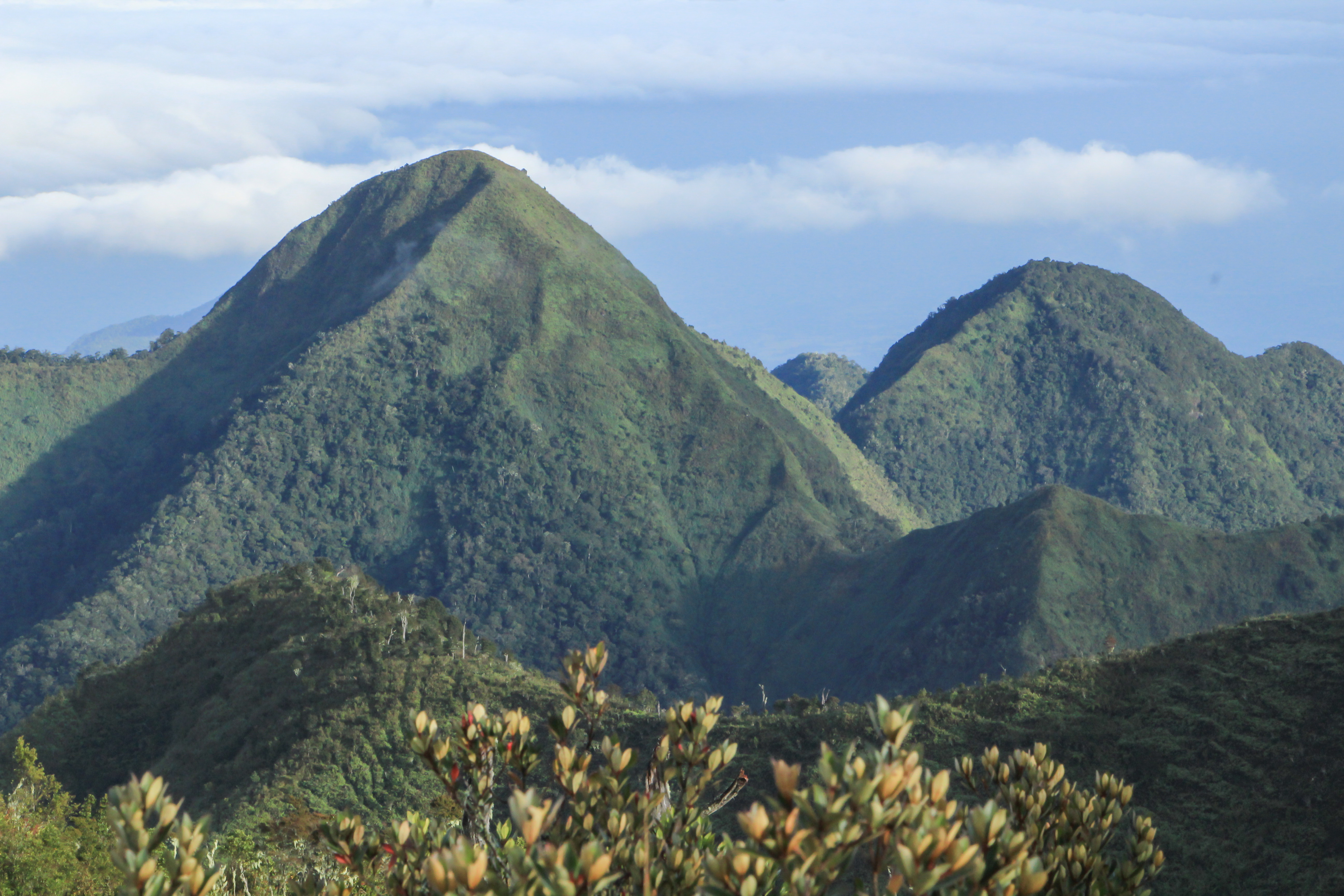
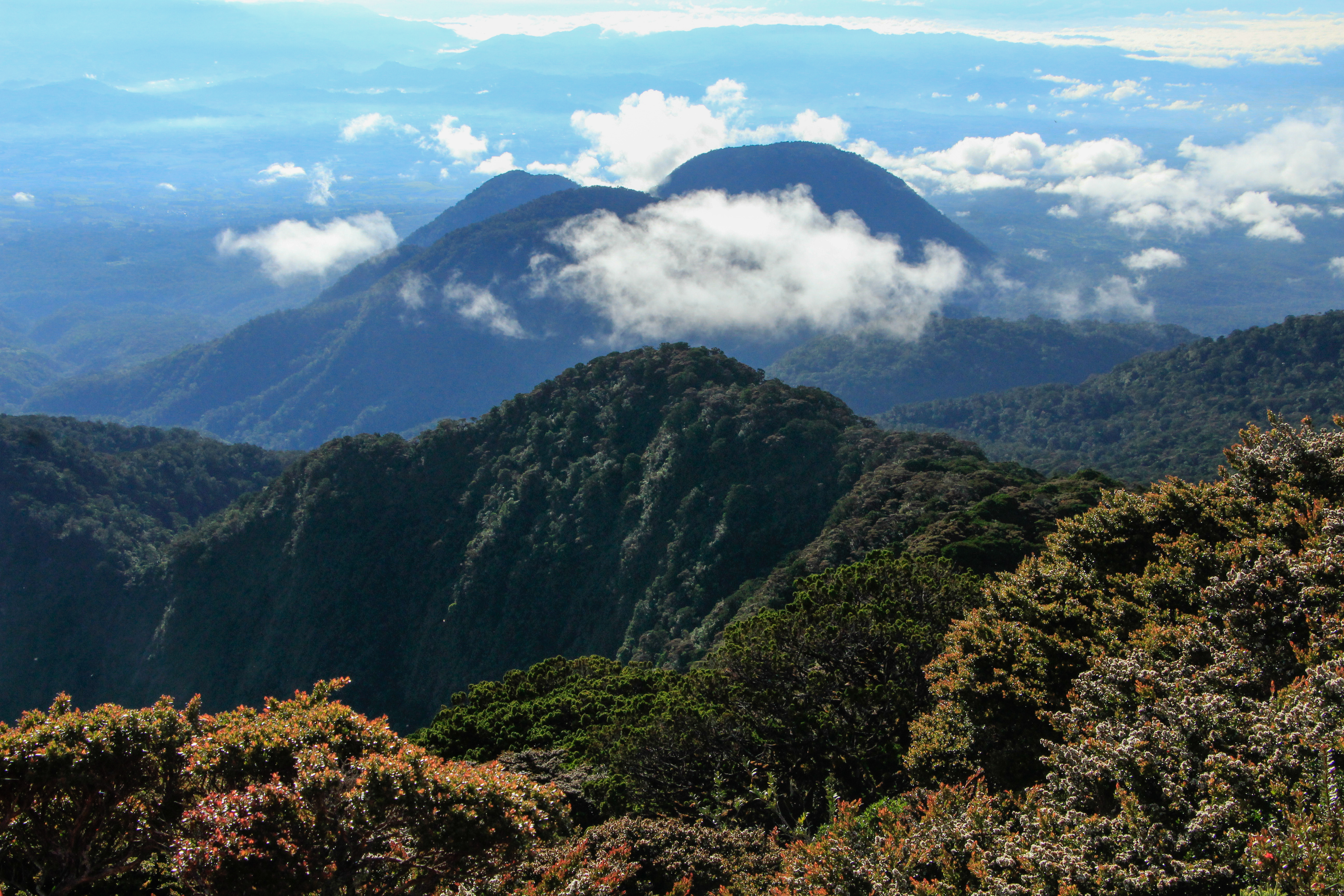
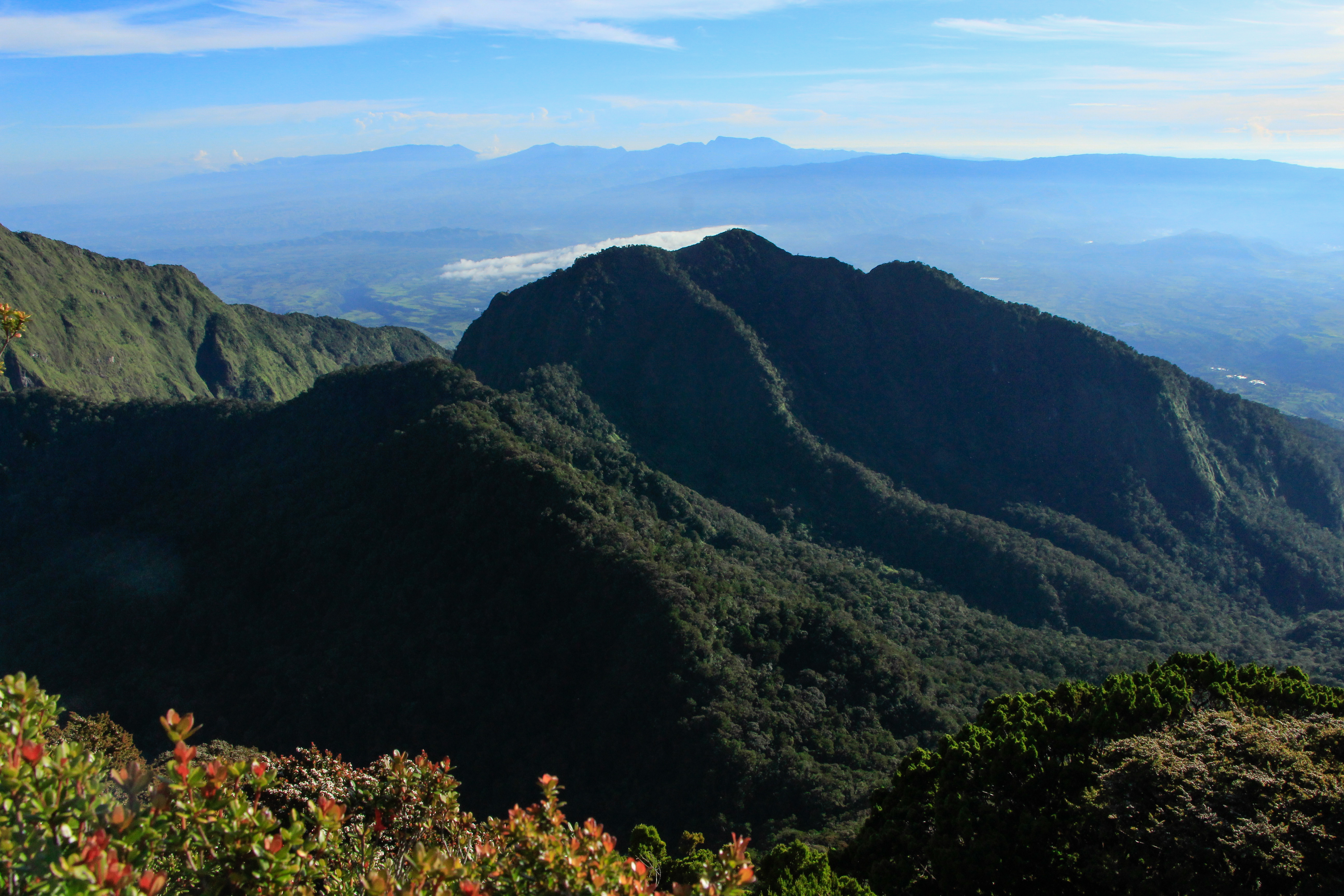
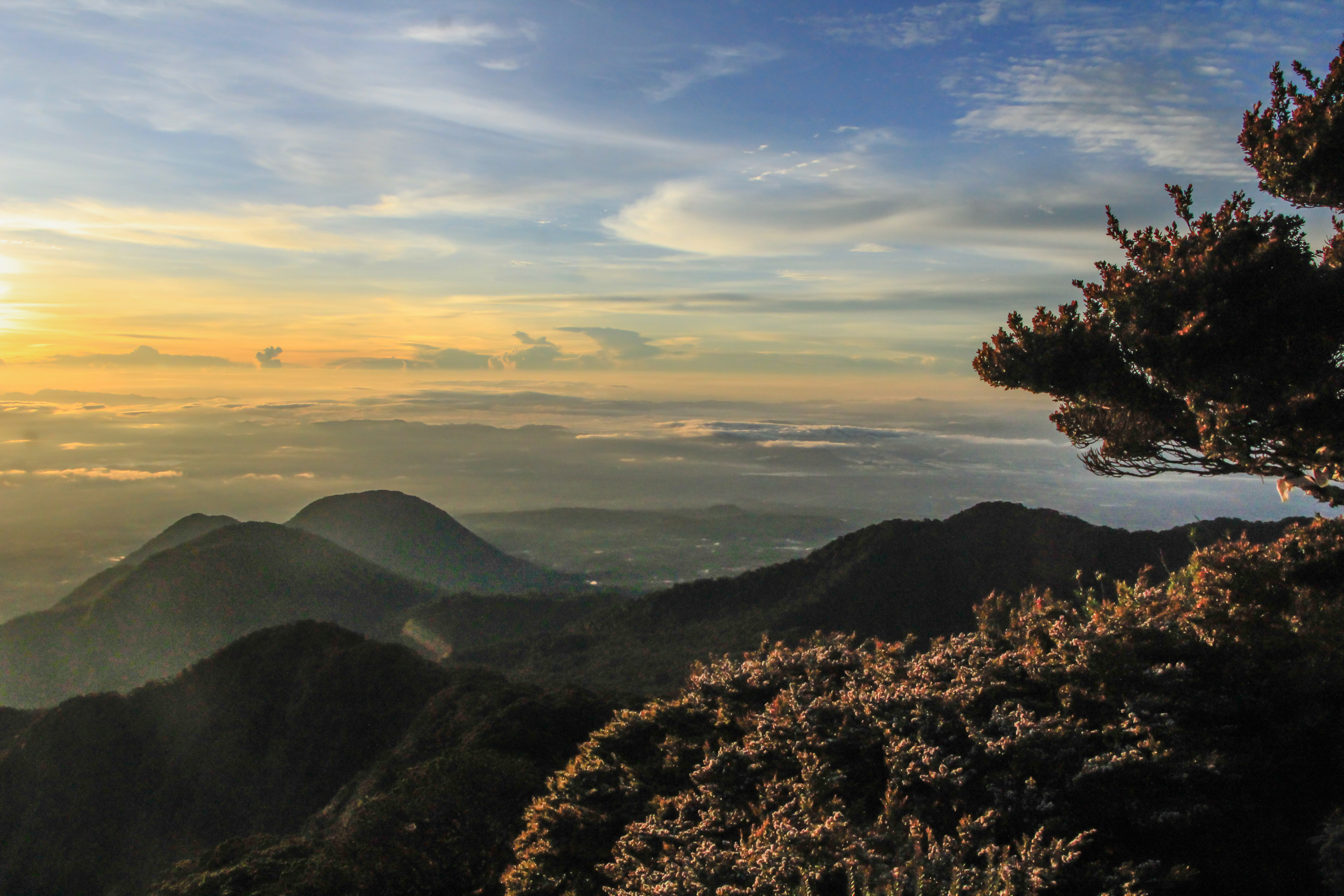
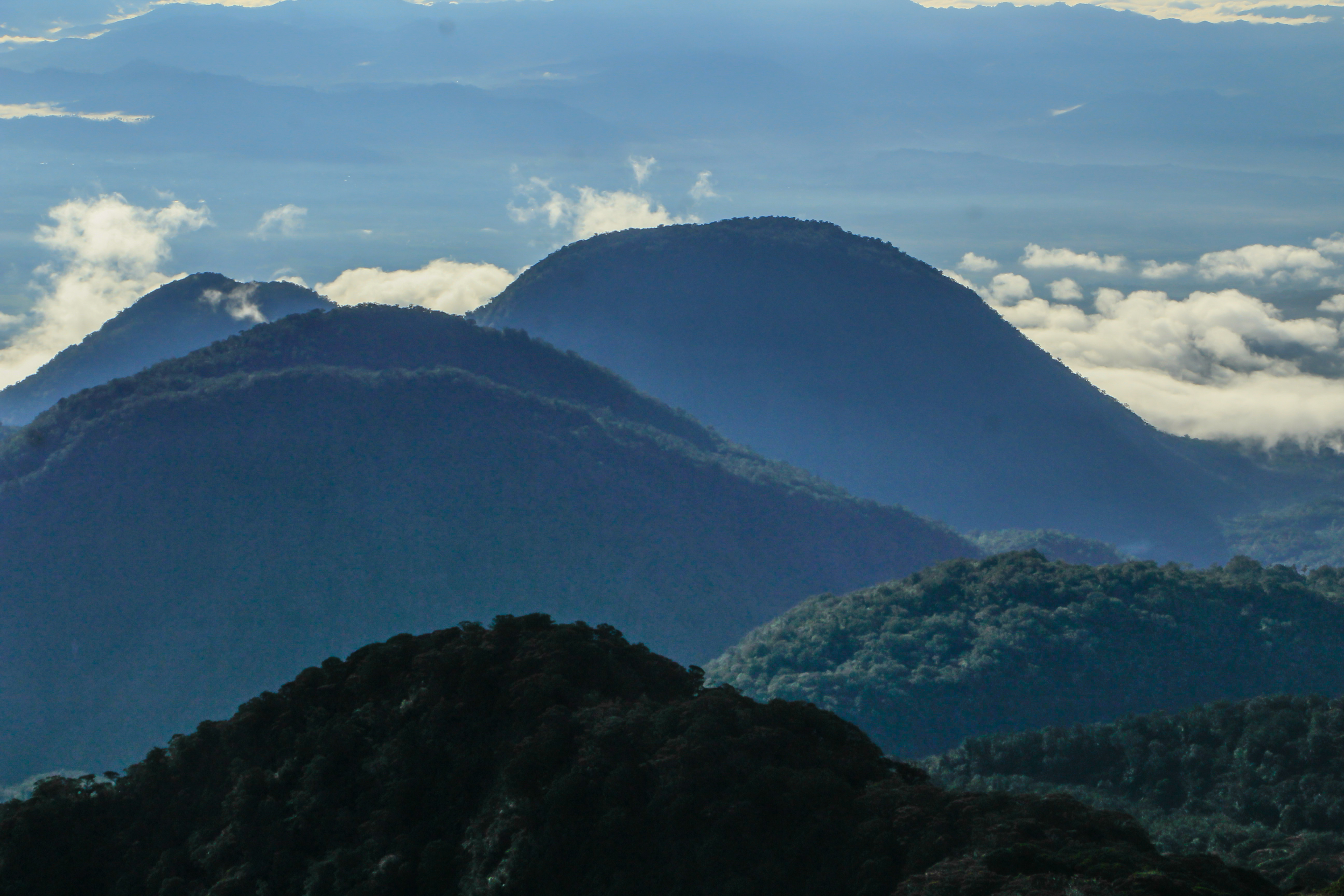
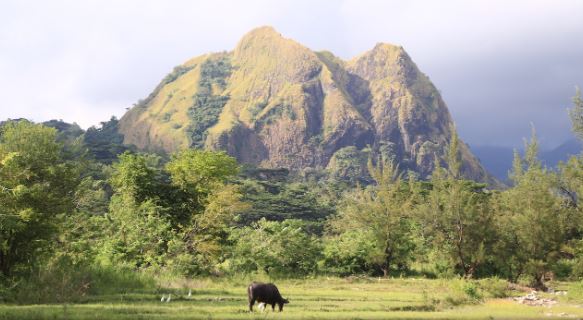
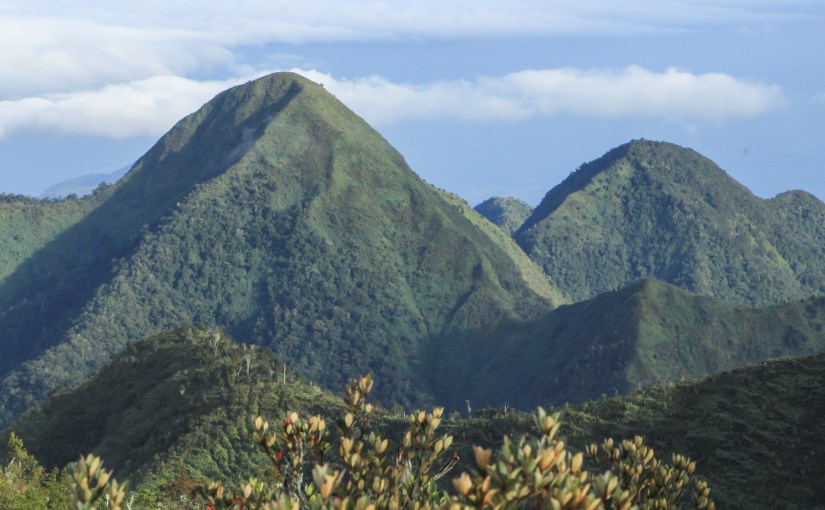
Different moods of Mt, Kitanglad

   The planting is all over 28 barangays surrounding MKRNP. DENR has also partnered with Holcim Corp in planting coffee, cacao, and rubber.  The Forest Foundation Philippines and the – Coastal and Marine Ecosystems Management Program also contributed to the plantation efforts.

   Somera said the agroforestry-ANR program supports DENR’s aim for the sustainable protection of MKRNP which is the headwater source of major river systems in Bukidnon.

   Mt. Kitanglad plays a critical role in  the the replenishment of  river systems that drain from Mt. Kitanglad. The rivers include Pulangi, Manupali, Cagayan and Tagoloan rivers in North and Central Mindanao.

   The DENR has also implemented a separate project, the Integrated  Natural Resources and Environmental Management Project (INREMP) that aims to protect the Upper Bukidnon River Basin.

   INREMP eyes ecotourism as  an approach to the long term sustainable development of MKRNP and UBRB.

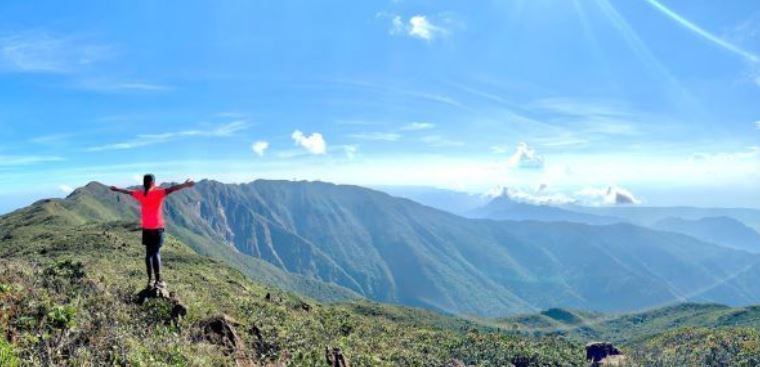
   Mt. Kitanglad is  a favorite trekking site due to its magnificent scenery and terrific landscape.

   Improvements made so far to enhance Mt. Kitanglad’s ecotourism potential include a canopy walk, hanging bridge, improvement of biking/camping trails, and repair and renovation of existing buildings to cater to hikers’ and tourists’ needs.

   Hikers go for  sight of  rich biodiversity in Mt. Kitanglad.  
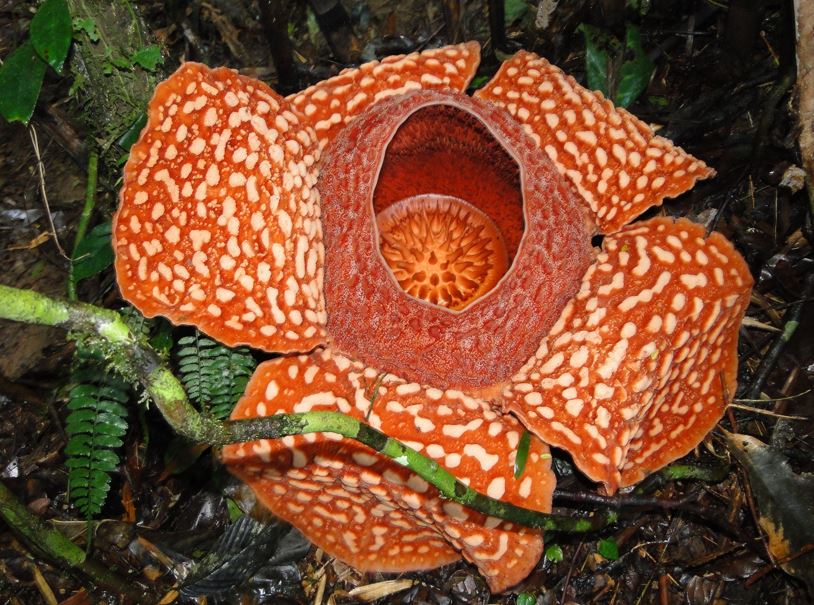
Rafflesia, world’s biggest bloom

   “Within the reserve is a nesting site of the Philippine eagle which is probably the nearest eagle site in terms of proximity,” said Somera.  “Within the park’s bufferzone is Cinchona Forest Reserve (CFR) located in Kaatuan, Lantapan, Bukidnon. It was once a trial planting site of Quinine (covering 1,900 hectares) which is a known plant to cure malaria.”

   Mountain climbers choose to reach the three highest peaks of the park– Mts. Kitanglad, Dulangdulang and Maagnao.

   Mt. Dulangdulang, with an elevation of 2,938 meters, is the second highest mountain next to Mt. Apo.

   To ensure their safety, hikers are oriented on basic park rules by DENR’s Protected Area Management Office (PAMO). They also go through a ritual performed by a tribal leader to ask spirits for a safe travel.

   “These hikers are regularly being escorted by trained local guides serving as their tour guides and porters.”

   Tourists also delight in visiting buildings occupied by Japanese garrison during the World War II.  It was later recovered by Filipino and American soldiers.  

   “This area is being promoted as one ecotourism destination given its rich historical value, presence of century old natural forests, series of waterfalls, rafflesia flower and rare and endemic flora and fauna.”

   Somera said another booming activity within the park is ethno and agro ecotourism. This ethno-tourism appreciates the rich culture of the  indigenous peoples (Talaandig, Higaonon and Bukidnon tribes) who dwell within the park.    

   There is also a popular, national awardee demonstration farm covering 22 hectares run by a family that showcase diversified upland farming system.

   “With their amenities established at site, the farm is also regularly visited by farmers who wish to emulate their success stories and nature lovers who wish to commune with nature,” Somera said.  (Melody Mendoza Aguiba)

Land use plan mapped for Mt. Mantalingahan in Palawan for its protection and the development of its $5.5 billion economic resources

August 5, 2021

A Land Use Plan (LUP) has been mapped for the protected Mt. Mantalingahan in Palawan to ensure its preservation and the optimum development of its resources economically valued at $5.5 billion.

   The Department of Environment and Natural Resources (DENR) reported that 206,567 hectares of Mt. Mantalingahan’s protected landscape had already been zoned.

    This is under DENR’s technical assistance program called “Protect Wildlife Project” funded by the United States Agency for International Development ((USAID). 

   The zoned area also includes forest land outside the protected area of 153,836 hectares.

  Mapping of Mt Mantalingahan Protected Landscape (MMPL) is a powerful tool in defining which activities are appropriate for each zone.  It prescribes what is allowed in each area.

   With its 120,457 hectares of forest, Mt. Matalingahan is the headwater for 33 watersheds.

Nearly 300 upland farmers now practise sustainable agriculture  in Mt. Mantalingahan while protecting the  forests and producing agricultural commodities and forest products

   It is  important to preserve the habitat of many important species of animals in Mt. Matalingahan–the Philippine cockatoo, the talking mynah, the blue-naped parrot, and the Philippine pangolin, and many other highly endangered wildlife.

   Production area totaling to 82,469 hectares of protected area and 71,367 hectares of conservation area have also been designated under the FLUP (Forest Land Use Plan) of Southern Palawan.

   Ecosystem services from MMPL’s rich natural resources bring about economic benefit to the community whose value is placed at $5.5 billion or P265 billion, according to Jeanne G. Tabangay, managing director of Palawan Biodiversity Conservation Corridor. 

   “:This was based on a 2008 study conducted by Conservation International.  The study was conducted as there were claims that the mining resources in Palawan bring huge economic value.  But this study showed the natural resources themselves have value for ecosystem services,”  said Tabangay,

   The Protect Wildlife Project of USAID targets to conserve around 750,000 hectares of biologically significant sites.  These are protected areas, forestlands, watersheds, mangrove forests, and coastal and marine areas.

   The biggest ecosystem services in MMPL, based on the Conservation International study, include indigenous people (IP) land-based livelihood, P2 billion; water resources, P83 billion; and ecotourism, P84 billion.

Philippine pangolin. Credit Palawan News

   Marine biodiversity’s indirect use was valued at P13 billion and carbon, P34 billion. Ecosystem services of tropical forests was valued at P108 billion and recreation, P6 billion.

   The Water Wildlife Project project leveraged P368 million of commitments from private and public sector partners to fund conservation activities including support for sustainable livelihood, and social enterprises.

   Mt. Matalingahan is the highest peak in Palawan. It straddles around the towns of Bataraza, Brooke’s Point, Rizal, Quezon, and Sofronio Espanola.

   It plays an important role as a deterrent to flashfloods  and other destructive forces. 

   However, even Mt. Matalingahan faces natural and man-made threats from illegal logging, wildlife poaching, mining, and kaingin (slash and burn).

   It also faces risks of high poverty incidence; unclear or inconsistent regulatory policies on resource uses; communities that lack tenure rights; weak enforcement systems; and the vulnerability to climate risks such as drought and intense rainfall, according to the USAID.

   The Protect Wildlife Project aligned the Land Use Plan with prevailing policies.

   “Protect Wildlife found that there were several areas where actual land uses differed from what policies prescribed..  This has caused much of the degradation within the protected area and adjoining forest lands, said USAID.

   The LUP is now compliant to the policies on Environmentally Critical Areas Network (ECAN) strategy for Palawan, National Integrated Protected Areas Systems Act, Forestry Code, the Local Government Code, and the Indigenous Peoples Rights Act.

   Land use included forest lands which are designated into protection, conservation, and production areas.  Production areas are further divided into sub-zones such as agriculture, tourism, and special areas.

  “Each zone and sub-zone has corresponding evidence-based land and resource use prescriptions—the rules for how an area of land may be legally used. Zoning decisions are derived from spatial analysis but also consider socioeconomic and political realities,” reported USAID.

   “Land use zoning provides a solid basis for LGUs (local government units) and the DENR to make informed decisions for investments on natural assets enhancement, restoration, basic infrastructure, social services and enterprises.” 

Mt. Mantalingahan, Puerto Princesa City, Palawan.  Credit–  Incredible Palawan

   DENR said the project  has partners for livelihood programs.  These are Lutheran World Relief, Abraham Holdings, Inc., and Sunlight Foods Corporation.  They are supporting establishment of enterprises in five LGUs in the MMPL. 

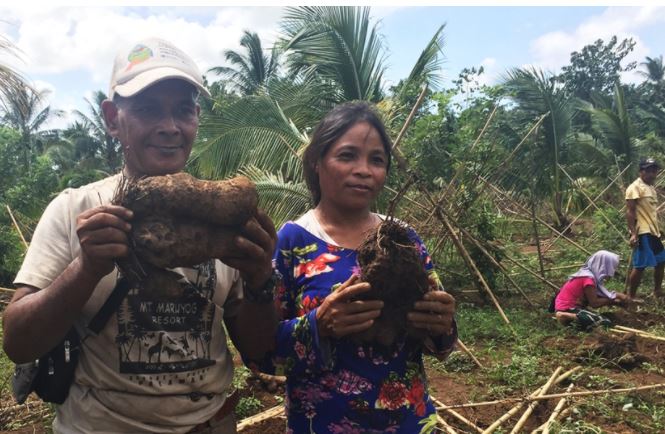
   Also participating now in an ube (purple yam) production are upland communities in tenured areas in Bataraza, Brooke’s Point and Sofronio Española.

   Fourteen communities with a total of 1,500 households are into conservation agriculture and agroforestry.  (Melody Mendoza Aguiba)

DENR project eyes to tap ecotourism potential of Bukidnon’s Mt Kitanglad Range Natural Park

July 31, 2021

A government project eyes to tap the ecotourism potential of Mt. Kitanglad– a favorite trekking site due to its magnificent scenery and terrific landscape– in an aim to generate sustainable livelihood for the watershed communities and help conserve its biodiversity.

   In a long term aim to protect the Upper Bukidnon River Basin (UBRB), the Department of Environment and Natural Resources’s (DENR) Integrated  Natural Resources and Environmental Management Project (INREMP) has been implementing forest protection over an area of 16,188 hectares around the  UBRB.

   The forest management has a significant impact in the lives of the (indigenous people) IPs  in UBRB.  There are nine groups of IPs.

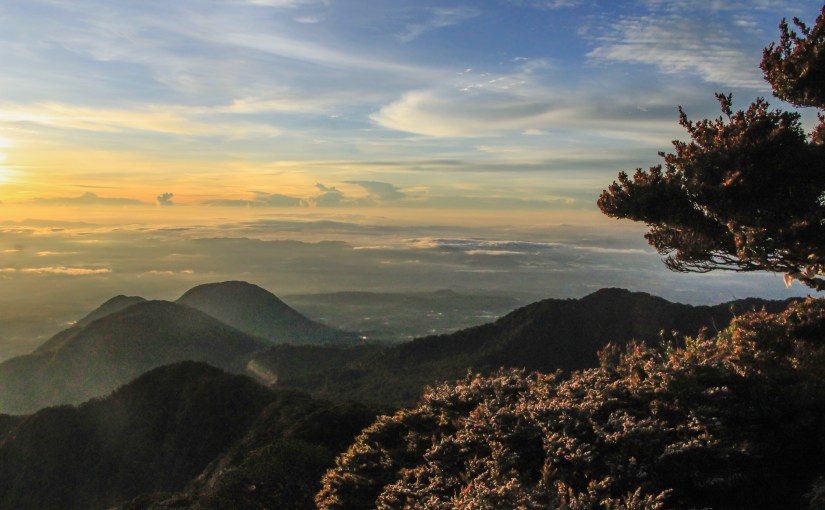
The many beautiful moods of the Mt. Kitanglad peaks


By creating ecotourism activities in Mt. Kitanglad, the IPs will then be able to further contribute to sustainable development of the forests and of the river basin. 

   DENR Protected Area Superintendent Daniel F. Somera said DENR and the local government unit (LGU) in Bukidnon has poured huge funds for infrastructure to develop Mt. Kitanglad’s ecotourism potential. 

   Improvements made so far include a canopy walk, hanging bridge, improvement of biking/camping trails, and repair and renovation of existing buildings to cater to hikers’ and tourists’ needs.

   Among the famous site-seeing opportunities hikers go for in Mt Kitanglad are the sight of its rich biodiversity.  

   “Within the reserve is a nesting site of the Philippine eagle which is probably the nearest eagle site in terms of proximity,” said Somera.  “Within the park’s bufferzone is Cinchona Forest Reserve (CFR) located in Kaatuan, Lantapan, Bukidnon. It was once a trial planting site of Quinine (covering 1,900 hectares) which is a known plant to cure malaria.”

   Somera said mountain climbers choose to reach the three highest peaks of the park– Mts. Kitanglad, Dulangdulang and Maagnao.

   Mt. Dulangdulang, with an elevation of 2,938 meters, is the second highest mountain next to Mt. Apo.

   To ensure their safety, hikers are oriented on basic park rules by DENR’s Protected Area Management Office (PAMO). They also go through a ritual performed by a tribal leader to ask spirits for a safe travel.

   “These hikers are regularly being escorted by trained local guides serving as their tour guides and porters.”

   Tourists also delight in visiting buildings occupied by Japanese garrison during the World War II.  It was later recovered by Filipino and American soldiers.  

   “This area is being promoted as one ecotourism destination given its rich historical value, presence of century old natural forests, series of waterfalls, rafflesia flower and rare and endemic flora and fauna.”

   Somera said another booming activity within the park is ethno and agro ecotourism. This ethno-tourism appreciates the rich culture of the  indigenous peoples (Talaandig, Higaonon and Bukidnon tribes) who dwell within the park.    

   There is also a popular, national awardee demonstration farm covering 22 hectares run by a family that showcase diversified upland farming system.

   “With their amenities established at site, the farm is also regularly visited by farmers who wish to emulate their success stories and nature lovers who wish to commune with nature,” he said.

   Mt. Kitanglad has been recognized by DENR and international agencies as a Key Biodiversity Area, Conservation Priority Area, and Important Bird Area.

   With the protection of the UBRB by indigenous people that benefit from the agri-tourism area, the important river systems in Mt. Kitanglad will also be protected.

   The river systems that drain from Mt. Kitanglad include the rivers of Pulangi, Manupali, Cagayan and Tagoloan rivers in North and Central Mindanao.

Rafflesia, world’s biggest flower

   The INREMP is funded by the Asian Development Bank, Climate Change Fund, and Global Environment Facility.

   One of the objectives of INREMP is to partner with the forest communities who hold ancestral domain rights over the areas.

   INREMPS’s sub-project called   the Community-Based Protection and Monitoring (CBPM) is anchored on “community aspirations, customary law, ancestral domain sustainable development plan, and forest protection plan.”

   Because of “positive reciprocity,” DENR”s forest management work with IPs has become successful.

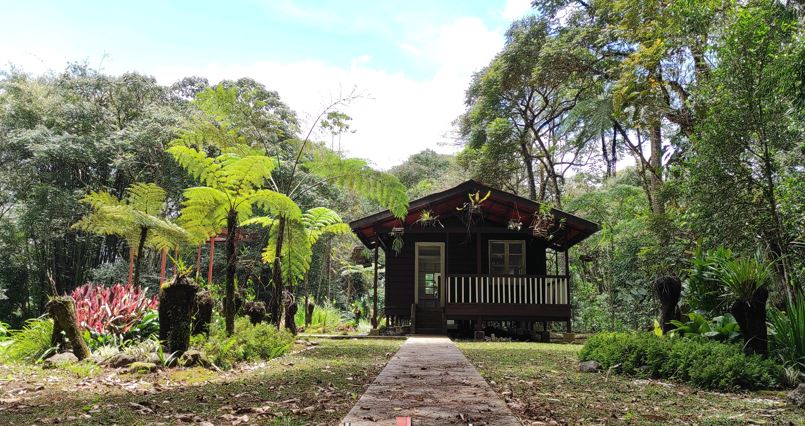
Agri-tourism house in Mt Kitanglad

   “Incentives are provided to the indigenous people through alternative sources of income such as vegetable gardening, cut flower production, heritage site conservation, and eco-cultural tourism. In return, they help protect the natural forest that provides them vast amount of ecosystem goods and services,” said DENR.

   DENR also  has a program for capability building  —  training in project operations and financial management —  under the Livelihood and Enterprise Development (LED) program. 

   This training  is for forest guard volunteers who are responsible for monitoring and reporting any environmental threats  to their area. 

   The forest guards use a technology called Landscape and Wildlife Indicator (LAWIN).

   “LAWIN is a Forest and Biodiversity Protection System that eliminates the manual process of encoding of field data by usingART and CyberTracker applications installed in smartphones.” (Melody Mendoza Aguiba)
Revenue sharing to be implemented in Cordillera agro-forestry, watershed to host Chico pump irrigation project

July 26, 2021

A revenue sharing scheme will be implemented in a flourishing watershed and agro-forestry management in Cordillera which will ensure water replenishment for the Chico River Pump Irrigation Project that will irrigate more than 8,000 hectares of farmland.

   As part of a long term sustainability plan, the Department of Environment and Natural Resources (DENR) will ensure compensation of Indigenous People (IP) who now maintain the forests of Chico River Basin.

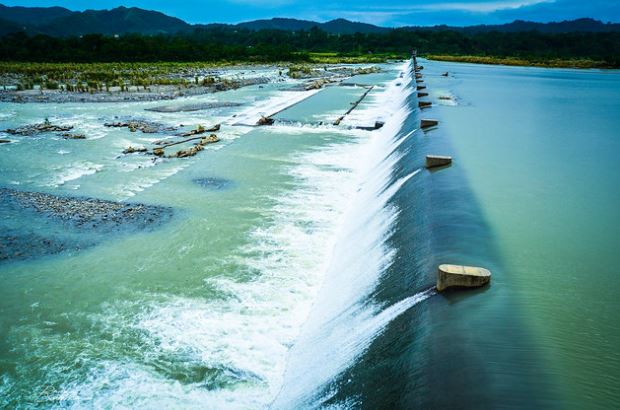
Chico Pump Irrigation Project to irrigate more than 8,000 hectares of farmland. Credit-Clickr

   “The revenue will make sure a PO (people’s organization) member gets his share from whatever activity he contributes such as growing seedlings.  The government also wants to earn from its management of the natural resource,” said according to Marilyn Malecdan, regional project coordinator of the Chico River project.

   The Cordillera provinces—Mt. Province, Kalinga, Apayao, Ifugao— will host the Chico River Pump Irrigation project touted to be flagship project of the government. If not for the Covid 19 pandemic, it was originally planned to be completed by end of 2021 or early 2022.

   It is estimated to irrigate 7,530 hectares of farm in Tuao and Piat, Cagayan and 1,170 ha in Pinukpuk, Kalinga. To be benefitted are an estimated 4,350 families.

   The watershed management project of DENR includes a 5,056-hectare revenue-earning agro-forestry sites (grown with fruit-bearing trees, vegetables).

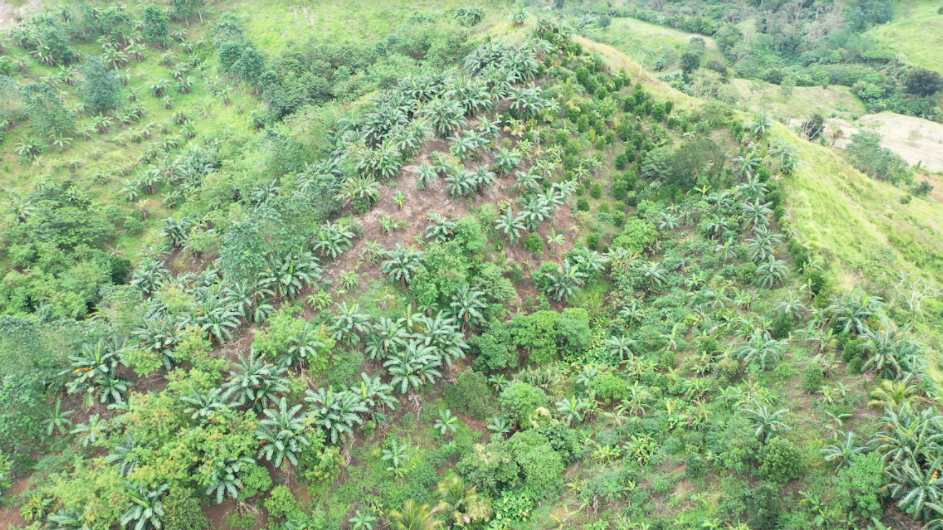
Intercropping of coconut, rambutan, and banana in the sloping Cordillera mountains

   It was approved in 2012 and was originally conceived to preserve and conserve the Upper Chico River Basin that straddles through Mt. Province, Kalinga, Apayao, and Ifugao provinces.

   The project, under the Integrated Resources Environmental Management Program (INREMP), is in its final year of completion. 

   Therefore a sustainability plan with a revenue-sharing scheme is now being mapped.  

   “Chico River Basin has vast potentials for development.  It has potential for electric power, irrigation, domestic purposes, and recreation. The river harnesses the major irrigation systems to water its vast rice lands. As a result, Kalinga has been promoted as a rice granary of the region,” said Engr. Ralph C. Pablo, INREMP-CAR (Cordillera Administrative Region) project director.

   While environmental protection is the primary aim, INREMP has successfully generated livelihood for the upland residents.

   Through collaboration with other agencies like the Department of Trade and Industry (DTI) and Department of Agriculture (DA), the PO partners are able to process and market their coffee. The DENR project provided them with coffee dehullers, roasters, grinders, and other packaging tools.  

     The people also now produce muscovado sugar, wine from various fruits such as Bignay, and of course rice and corn. Provision of rice mills, hand tractors, and multi-purpose pavement for drying products made the lives of farmers in far flung communities of the Cordillera easier.

Sugarcane wine produced by Indigenous People
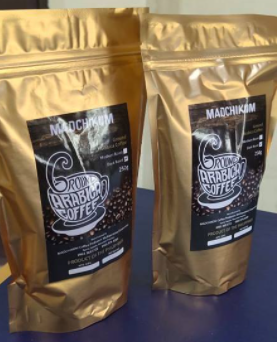
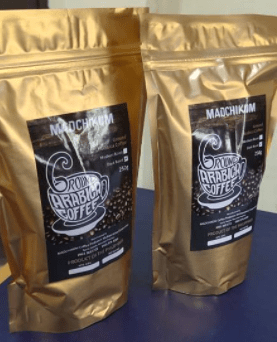
Special Arabica coffee made by Indigenous People of Cordillera

      “Our rural infrastructure projects have greatly helped them in transporting their products.  With our project we’re able to help people in the farflung areas that used to be inaccessible (due to mountain barriers),” she said.

    INREMP’s rural infrastructure support, in partnership also with Department of Agriculture, includes rehabilitated access roads of 42.32 kilometers  and a foot trail of 10,000 meters. 

   The infrastructure support helped the natives of Cordillera to cut on hauling costs and increase productivity of the lands. Also, women were freed from the burden of fetching water from far communal water sources.    

   INREMP has so far established 3,701 hectares of reforestation area (deforested but replanted) and 5,056 hectares of agroforestry (vegetable and fruit crops with dipterocarp trees planted).    

   Tree species planted include narra, Benguet pine, and dipterocarp trees (broad-leafed, lowland tropical trees) such as white lauan.

   It has also established a total of 6,533 hectares of assisted natural regeneration area — naturally-growing young trees (regenerants) that are cleaned and trimmed. The areas are supported to grow trees with ring weeding,  thinning to avoid crowding, fertilizer application, and planting of open spaces. 

   A separate 955 hectares of commercial tree plantation (CTP) have been grown by the IPs using fast-growing tree species such as Benguet pine, Gmelina and Mahogany (harvestable from eight to 20 years).

   An area called conservation farming —  where contouring and other agro-forestry techniques are used to eliminate soil erosion in sloping areas – now total to 690 hectares.

   With the CTP, the IPs are able to generate construction materials for their own needs such as for housing and do not have to illegally cut trees.

   “Mt. Province has become the home to high value crops yielding legumes/beans, carrots, root crops and other cash crops. White water rafting along the Chico River is another potential attracting local as well as foreign tourists. There are still untapped prospects that include gold, sulfur, copper, gypsum, clay and gravel and other quarry resources,” said Pablo.

   INREMP is co-financed by the Asian Development Bank.    ADB has allocated a restructured loan amount of $57 million for INREMP.  INREMP  is receiving a grant of $2.5 million from the Global Environment Facility. (Melody Mendoza Aguiba)
Campaign stepped up to save the critically endangered Tamaraw and its ASEAN Heritage Site habitat Mt. Iglit-Baco

April 29, 2021

The government has stepped up a campaign to save the critically endangered Tamaraw and its equally endangered habitat, the  Mt. Iglit-Baco National Park (MIBNP), an ASEAN Heritage Site, even as conservation funds shrank in light of the Covid 19 pandemic.

.   The Department of Environment and Natural Resources (DENR), together with the Biodiversity Finance Philippines (Biofin), has sustained a program to conserve the Tamaraw (Bubalus mindorensis) even as poachers have taken advantage of the government travel restrictions due to the pandemic.

   Not only is Tamaraw a rare dwarf buffalo (four feet tall at the shoulders) found only in Mindoro Island.  Its decrease in population became alarming since the 1900s.  Tamaraws are one of the 11 remaining wild cattle species of the world.   The Mt. Iglit-Baco, its habitat, has also gone through serious deforestation with less than 3% of primary forest preserved.

   “Sadly,  Now, only 23 TCP (Tamaraw Conservation Program) rangers and three MIBNP wardens are expected to patrol a core area of 2,500 hectares inside the 106,655 hectare MIBNP, which hosts at least 480 of the world’s 600 remaining tamaraws,” according to the DENR.

   The “Together for Tamaraw” campaign is supported by the United Nations Development Programme (UNDP), the DENR’s office in MIMAROPA (Mindoro, Marinduque, Romblon, Palawan), and the DENR’s attached agency Biodiversity Management Bureau.

   The International Union for the Conservation of Nature (IUCN) has classified the Tamaraw as a critically endangered species, the highest level of threat on conserved flora and fauna.

   From a population of 10,000 Tamaraws in the 1900s, the buffalo recorded a slump in population to 120 in 1975, largely owing to poaching and illegal trade.

   With conservation efforts, its population rose to 370 in 1987 and to its present population of 600.

The Tamaraw of Mindoro. Credit- Outoftownblog.com

   The endangered buffalo benefited from having been globally recognized as endangered.  Countries that are signatory to the  Convention on International Trade in Endangered Species (CITES) of Wild Fauna and Flora contributed to preventing its illegal trade.

   Tamaraw’s endemism in the Philippines is indicated in its name mindorensis, with “ensis” the Latin meaning it belongs to the island. 

   DENR reported that 35 countries have cooperated in the Together for Tamaraw online fund raising endeavour.

   There is now a 10-year Protected Area Management Plan for Mt. Iglit-Baco.  The plan integrates efforts of the indigenous people (IP) and their cultural and development needs as part of the conservation of Tamaraw.

   Part of this is to secure the rights of the IPs who have ancestral domain rights over the protected area.  As such, it strengthens their right of the IPs to protect the mountains and its endangered animals against cattle ranching and wildlife poaching.

   The natural park  encompasses “large tracks of the ancestral lands of the Tau-buid and Buhid indigenous tribes, making them key stakeholders in any decisions related to management of the park,”  according to the Global Wildlife Conservation (GWC).

   The Tau-buid and Buhid Indigenous People have participated in the zoning, management planning and Population and Habitat Viability Assessment (PHVA) workshops for the conservation of Tamarw and MIBNP.  (Melody Mendoza Aguiba)
Private sector support for PPP sought to fund P24B yearly biodiversity strategy program up to 2028

April 24, 2021

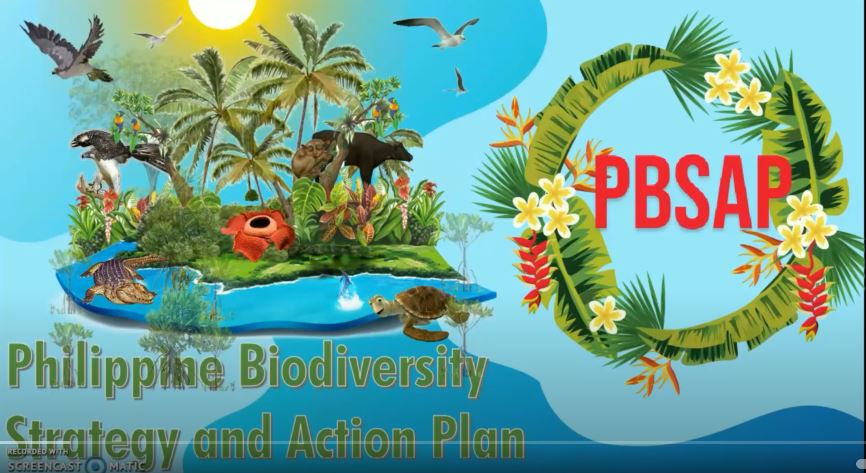
The government’s Biodiversity Financing Initiative (Biofin)  is luring possible direct investment  in a PPP (public private partnership)  to fund the P24 billion yearly budget for the Philippine Biodiversity Strategy and Action Plan (PBSAP).

   A program of the Department of Environment and Natural Resources (DENR), Biofin’s aim is to close a gap in financing the PBSAP, now being funded at just P5 billion yearly.  That presents a high 80% gap.

    The PBSAP  is a complex roadmap to sustain biodiversity, Protected Areas (PA), and the country’s natural resources.  This is critical as it has serious consequences not only on the environment but the sustainable supply of raw materials for complex industries.  It started in 2015.

   PBSAP supports Philippines’ thrust for sustainable development as it is one of world’s 17 megadiverse country in flora and fauna resources.  However, such rich biodiversity faces threats with 93% of original forest cover lost since the 1900s.

   PBSAP taps 50 national and attached agencies as responsibility centers to collaboratively implement biodiversity conservation programs.  The academe and civil society organizations (CSOs) are also co-implementors.

   “By2028, biodiversity is restored and rehabilitated, valued, effectively managed and secured, maintaining ecosystem services to sustain healthy, resilient Filipino communities,” according to DENR.

   DENR plans to issue a DENR order  on PPP (public private partnerships) so more private companies can directly invest or co-manage the development particularly of environmental resources.

   Private companies are also encouraged to allocate a budget for biodiversity programs under their corporate social responsibility (CSR) programs.

   “Research on potential PPP activities and modalities will be undertaken and results will be inputs into proposed policies on PPPs and at the same time, BIOFIN intends to pilot these modalities in selected protected areas,” according to DENR’s Biofin program.

   The European Union and the governments of Germany, Switzerland, Flanders and Norway has extended a $2.5 million grant for Philippines to mainstream the biodiversity program into national budget.

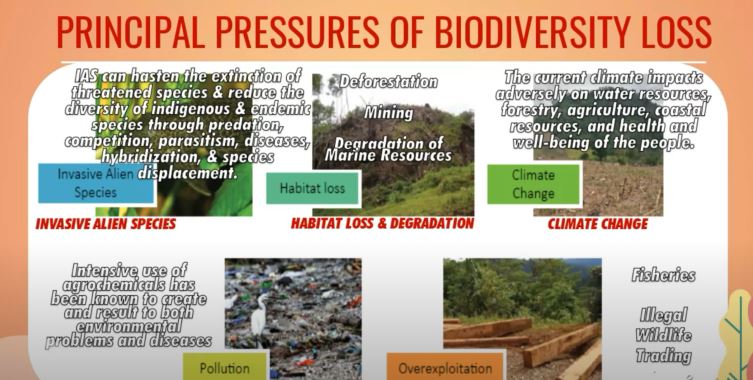
   The PBSAP cuts across  eight thematic areas of biodiversity.  The following are the original budget requirements for each:

   Access and benefits sharing, P1.8 billion   

   Invasive alien species, P4.19 billion

   Urban biodiversity, P3.72 billion

   Inland wetlands, P77.745 billion

   Forest/Terrestrial, P214 billion

   Agrobiodiversity, P13.091 billion

   Cave and cave systems, P7.626 billion

   Coastal and marine, P69.89 billion

    It is estimated that protection measures can prevent annual loss of $1billion in illegal unreported unregulated fishing alone.

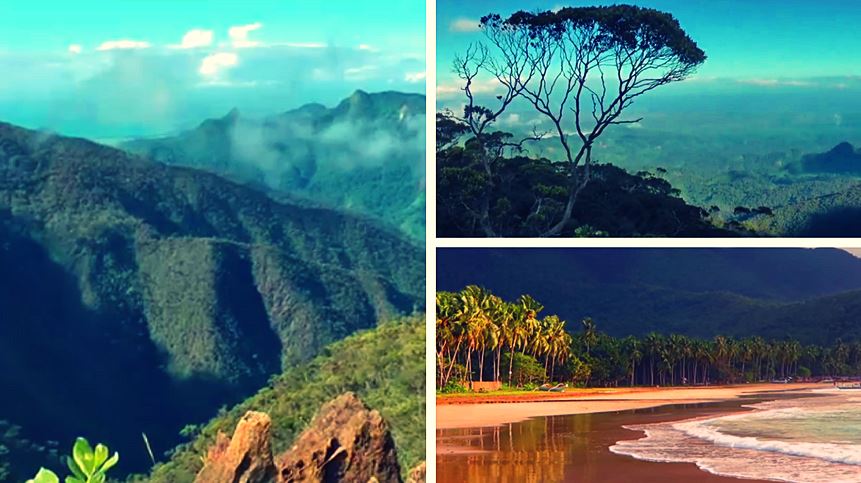
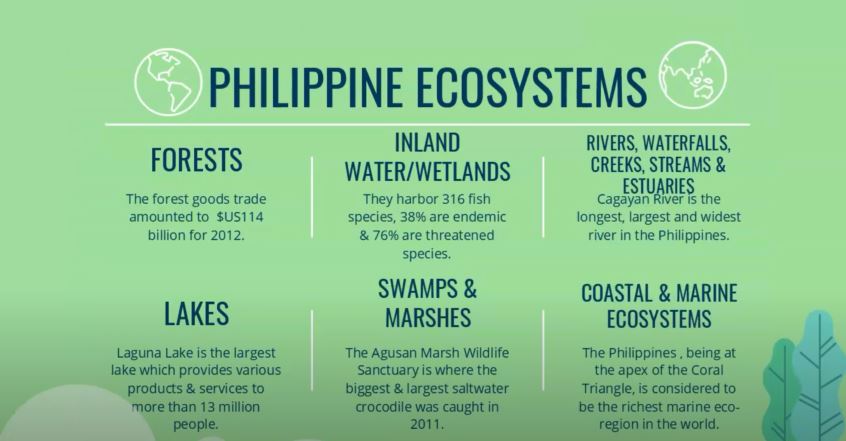
    “Biodiversity and ecosystems are key to lifting people out of poverty, contributing to our economy, and strengthening our resilience to climate change,” said DENR.  “These plans are likely to affect people’s access to ecosystem services, the governance context in which they live, the ways in which they create and sustain livelihoods for themselves.” (Melody Mendoza Aguiba) PHOTO Credits- Youtube
“Reward” system pays off in restoring resource-rich but highly threatened Chico River watershed under an ADB project

April 25, 2021

The government is optimistic of a “reward” system’s success in restoring the resource-rich but threatened watershed of the Chico Upper River Basin as it carries out an Asian Development Bank (ADB)-funded forest project.

   The Department of Environment and Natural Resources (DENR) is arresting degradation of the forest resources of the Chico Upper River Basin (CURB), a river system in the Cordillera teeming with significant potential for electricity, irrigation, and domestic water use.

Chico River Pump Irrigation Project. Credit- NIA-CAR

   Through the Integrated Resources Environmental Management Program (INREMP), DENR has been securing the support of the community by giving them incentives for co-managing the forests.

    The “Payment for Ecosystems Services” (PES) is believed to be working out in compelling the Chico River communities to shift to agroforestry and conservation farming.

   The PES is an incentive system given to farmers and indigenous people in the watersheds for sustaining their ancestral lands that can produce valued economic and ecological products.    

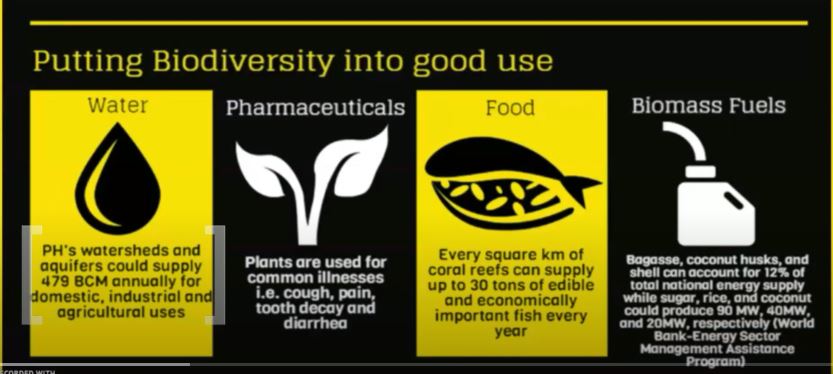
   Among these products of nature are crops, livestock, aquaculture fisheries; fiber (timber, cotton, silk); genetic resources (biochemical, pharmaceuticals); fresh water, air, climate regulation, erosion control, and even health and recreation as defined by the Millenium Ecosystem Assessment.

   “This will provide incentives for indigenous peoples and resource-poor communities to help reduce and reverse degradation of watersheds.  It will also provide incentives to local government units and DENR for improving natural resource management,” said DENR.

    INREMP has three other priority river basins for forest management.

   These are the Wahig-Inabanga River Basin in Region 7 (Cebu City); Upper Bukidnon River Basin; and Lake Lanao River Basin in Autonomous Region in Muslim Mindanao, according to DENR.

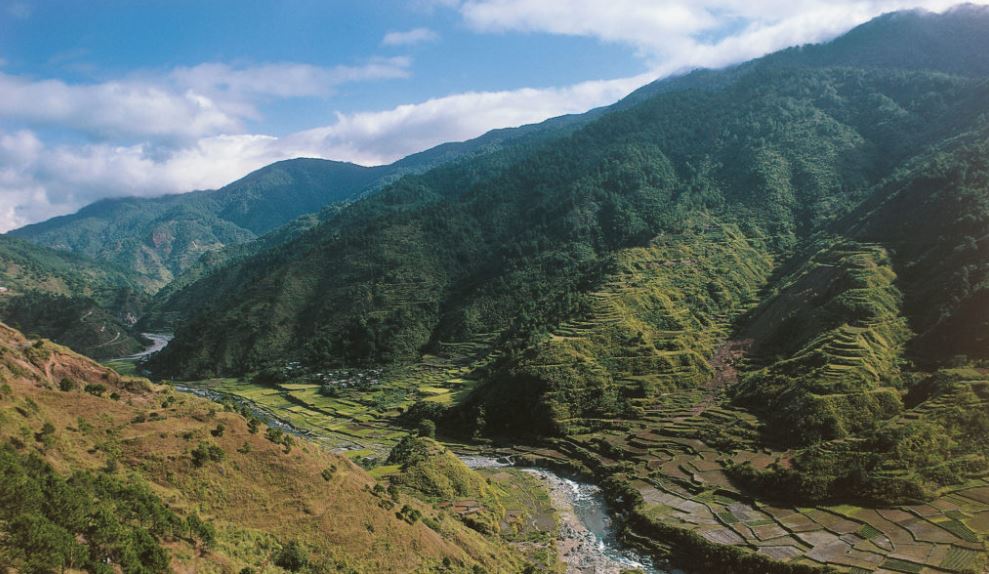
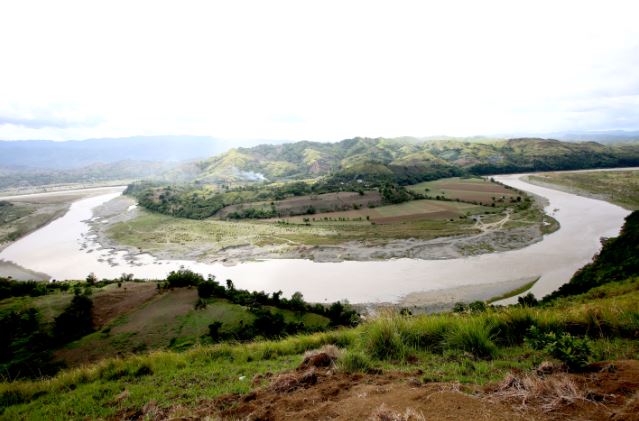
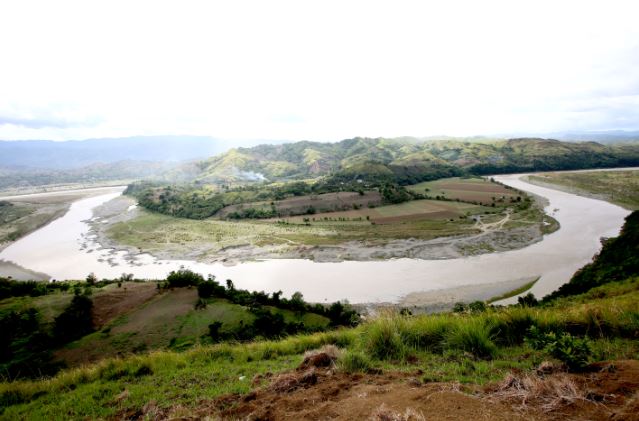
The winding Chico River straddling across Mt Province, Ifugao Kalinga, Apayao

   These watersheds are critical due to the  kaingin or deforestation activities of illegal intruders or the same people living in the area. 

   However, the PES is enabling DENR and partners like the World Agroforestry to turn people around in favour of adopting nature-friendly farming practices and forest management.

   ADB has allocated a restructured loan amount of $57 million for INREMP, according to DENR. It is receiving a grant of $2.5 million from the Global Environment Facility.

   The Chico river basin has been hounded by environmental problems.

   Among these are conversion of mossy forest in Mt. Data to vegetable gardens; decreasing water discharge due to drying up of water sources; destruction of biodiversity due to kaingin, illegal cutting, forest fires and chemical pollution; river siltation due to soil erosion and landslides; water pollution from households.

   Nevertheless, it has the potential for tourism with water rafting activities. The rice terraces in Kalinga is touted to become a rice granary for premium organic rice as the Chico River supplies water for irrigating its big rice lands.

   With Chico River there, the Mt Province itself is a watershed known to produce high value crops including legumes/beans, carrots, root crops.

   Over 200,000 hectares of protected area in the four river basins have been monitored for sustainability. (Melody Mendoza Aguiba)
Land use plan mapped for Mt. Mantalingahan

April 30, 2021

A Land Use Plan (LUP) has been mapped for the protected Mt. Mantalingahan in Palawan to ensure its preservation and the optimum development of its resources economically valued at $5.5 billion.

   The Department of Environment and Natural Resources (DENR) reported that 206,567 hectares of Mt. Mantalingahan’s protected landscape had already been zoned.

    This is under DENR’s technical assistance program called “Protect Wildlife Project” funded by the United States Agency for International Development ((USAID). 

   The zoned area also includes forest land outside the protected area of 153,836 hectares.

   DENR said mapping of Mt Mantalingahan Protected Landscape (MMPL) is a powerful tool in defining which activities are appropriate for each zone.  It prescribes what is allowed in each area.

Mt. Mantalingahan. Credit- Mt. Mantalingahan Protected Landscape

   With its 120,457 hectares of forest, Mt. Matalingahan is the headwater for 33 watersheds.

   It is  important to preserve the habitat of many important species of animals in Mt. Matalingahan–the Philippine cockatoo, the talking mynah, the blue-naped parrot, and the Philippine Pangolin, and many other highly endangered wildlife.

   Production area totaling to 82,469 hectares of protected area and 71,367 hectares of conservation area have also been designated under the FLUP (Forest Land Use Plan) of Southern Palawan.

   DENR said the Protect Wildlife Project targets to conserve around 750,000 hectares of biologically significant sites.  These are protected areas, forestlands, watersheds, mangrove forests, and coastal and marine areas.

   “The project leveraged P368 million of commitments from private and public sector partners to fund conservation activities including support for sustainable livelihood, and social enterprises,” said DENR.

   Mt. Matalingahan is the highest peak in Palawan. It straddles around the towns of Bataraza, Brooke’s Point, Rizal, Quezon, and Sofronio Espanola.

   It plays an important role as a deterrent to flashfloods  and other destructive forces. 

   Moreover, Mt. Matalingahan even faces natural and man-made threats from illegal logging, wildlife poaching, mining, and kaingin (slash and burn).

   It also faces risks of high poverty incidence that cause people to destroy the forest; unclear or inconsistent regulatory policies on resource uses; communities that lack tenure rights; weak enforcement systems; and the vulnerability to climate risks such as drought and intense rainfall, according to the USAID.

Tribal people in Mr Mantalingahan harvest ube for yam processing. Credit- Palawan News

   The Protect Wildlife Project aligned the Land Use Plan with prevailing policies.

   “Protect Wildlife found that there were several areas where actual land uses differed from what policies prescribe, thereby causing much of the degradation within the protected area and adjoining forest lands,” said USAID.

   The LUP is now compliant to the policies on Environmentally Critical Areas Network (ECAN) strategy for Palawan, National Integrated Protected Areas Systems Act, Forestry Code, the Local Government Code, and the Indigenous Peoples Rights Act.

   Land use includes forest lands which are designated into protection, conservation, and production areas.  Production areas are further divided into sub-zones such as agriculture, tourism, and special areas.

  “Each zone and sub-zone has corresponding evidence-based land and resource use prescriptions—the rules for how an area of land may be legally used. Zoning decisions are derived from spatial analysis but also consider socioeconomic and political realities,” reported USAID.

   “Land use zoning provides a solid basis for LGUs (local government units) and the DENR to make informed decisions for investments on natural assets enhancement, restoration, basic infrastructure, social services and enterprises.” 

   DENR said the project  has partners for livelihood programs.  These are Lutheran World Relief, Abraham Holdings, Inc., and Sunlight Foods Corporation.  They are supporting establishment of enterprises in five LGUs in the MMPL. 

   Also participating now in an ube (purple yam) production are upland communities in tenured areas in Bataraza, Brooke’s Point and Sofronio Española.

   Fourteen communities with a total of 1,500 households are into conservation agriculture and agroforestry.  (Melody Mendoza Aguiba)
64,498 hectare forest management area in Chico River turns in livelihood opportunities in coffee, wine enterprises for IPs

July 20, 2021

A 64,498 hectare forest management area originally conceived to protect the watersheds of the Upper Chico River Basin has turned in coffee and wine enterprises for the indigenous people (IP) in farflung Mt. Province, Ifugao, Kalinga, and Apayao.

   As the project of the Department of Environment and Natural Resources (DENR) in Chico River Basin is about to be completed, a sustainable plan is now being drafted to ensure IPs will continue to thrive in their newfound livelihood.

   A revenue-sharing scheme will be a major component of the sustainable program now being mapped by DENR, according to Marilyn Malecdan, regional project coordinator of the Chico River project.

   “The revenue will make sure a PO (people’s organization) member gets his share from whatever activity he contributes such as growing seedlings.  But the government also wants to earn from its management of the natural resource,” said Malecdan.

Agro-forestry farming in slopes that produce food and eliminate soil erosion

   The Chico River is one of the four river basins aimed to be protected and preserved under DENR’s Integrated Resources Environmental Management Program (INREMP).  

   “Chico River Basin has vast potentials for development.  It has potential for electric power, irrigation, domestic purposes, and recreation. The river harnesses the major irrigation systems to water its vast rice lands. As a result, Kalinga has been promoted as a rice granary of the region,” said Engr. Ralph C. Pablo, INREMP-CAR (Cordillera Administrative Region) project director.

   While environmental protection is the primary aim, INREMP has successfully generated livelihood for the upland residents.

Through collaboration with other agenciees like the Department of Trade and Industry (DTI) and Department of Agriculture (DA), the people’s organization (PO) partners are able to process and market their coffee. The DENR project provided them with coffee dehullers, roasters, grinders, and other packaging tools.  

Special Arabica coffee made by Indigenous People of Cordillera

     The people also now produce muscovado sugar, wine from various fruits such as Bignay, and of course rice and corn. Provision of rice mills, hand tractors, and multi-purpose pavement for drying products made the lives of farmers in far flung communities of the Cordillera easier.

Sugarcane wine produced by Indigenous People

      “Our rural infrastructure projects have greatly helped them in transporting their products.  With our project we’re able to help people in the farflung areas that used to be inaccessible (due to mountain barriers),” she said.

   INREMP’s rural infrastructure support, in partnership also with Department of Agriculture, includes rehabilitated access roads of 42.32 kilometers  and a foot trail of 10,000 meters. 

  The infrastructure support helped the natives of Cordillera to cut on hauling costs and increase productivity of the lands. Also, women were freed from the burden of fetching water from far communal water sources.    

   INREMP has so far established 3,701 hectares of reforestation area (deforested but replanted) and 5,056 hectares of agroforestry (vegetable and fruit crops with dipterocarp trees planted).    

   Tree species planted include narra, Benguet pine, and dipterocarp trees (broad-leafed, lowland tropical trees) such as white lauan.

   It has also established a total of 6,533 hectares of assisted natural regeneration area — naturally-growing young trees (regenerants) that are cleaned and trimmed. The areas are supported to grow trees with ring weeding,  thinning to avoid crowding, fertilizer application, and planting of open spaces. 

   A separate 955 hectares of commercial tree plantation (CTP) have been grown by the IPs using fast-growing tree species such as Benguet pine, Gmelina and Mahogany (harvestable from eight to 20 years).

   An area called conservation farming —  where contouring and other agro-forestry techniques are used to eliminate soil erosion in sloping areas – now total to 690 hectares.

   With the CTP, the IPs are able to generate construction materials for their own needs such as for housing and do not have to illegally cut trees.

Intercropping of coconut, rambutan, and banana in the sloping Cordillera mountains

   “Mt. Province has become the home to high value crops yielding legumes/beans, carrots, root crops and other cash crops. White water rafting along the Chico River is another potential attracting local as well as foreign tourists. There are still untapped prospects that include gold, sulfur, copper, gypsum, clay and gravel and other quarry resources,” said Pablo.

   INREMP is co-financed by the Asian Development Bank.    ADB has allocated a restructured loan amount of $57 million for INREMP.  INREMP  is receiving a grant of $2.5 million from the Global Environment Facility. (Melody Mendoza Aguiba)
Export-oriented industries, jobs to be created from pilot project, tap unused wood from 4,047 hectare community forests in Negros, Agusan

July 12, 2021

A wood processing project is seen to create jobs and new export-oriented industries producing furniture and veneer that will tap unused wood from a 2,115 hectare  community forest in Agusan del Sur and 1,932 hectares in Negros Oriental.

   The pilot “vertical integration” project is envisioned to be replicated in logging areas all over the country once proven successful under a project of the Department of Environment and Natural Resources (DENR). 

   It is funded for $1.118 million by the South Korea-based Asian Forest Cooperation Organization (AFoCO).

   Participating farmer groups are the Nalundan United Farmers’ Association (NUFAI) in Brgy. Nalundan, Bindoy, Negros Oriental and Mindanao Timberland Farmers Multipurpose Cooperative (MATILFAMCO) in Brgy. Mabuhay, Prosperidad, Agusan del Sur.

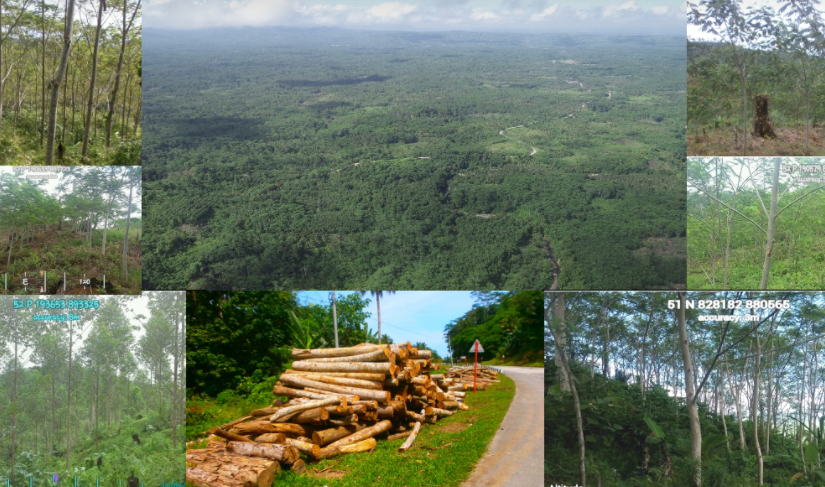
More than 600 hectares of Falcata plantation will be the raw material source for a veneer wood processing plant

   DENR Secretary Roy A. Cimatu said the project with AFoCO will be the start of a sustainable forest management project in the two provinces.

   Cimatu stressed that the wood processing plants to be put up will tap raw materials from CBFM areas (community-based forest management). 

   It will raise the income and livelihood levels of POs (people’s organizations) in the grassroots.

   “The Philippines needs five million cubic meters of wood or lumber per year.  Only one million is from the Philippines.  The rest is imported. Those that come from the Philippines are from private forests, not CBFM,” Cimatu said during a project launch

   At present, NUFAI and MATILFAMCO only earn from round timber (lumber of Acacia mangium and of Falcata)  since they do not yet have wood processing plants.

   Lumber of Acasia mangium only sells at P7 per board feet or P84 per 12-foot length, according to Richard Fabre,  city environment and natural resources officer (CENRO) in Bindoy, Negros Oriental.

   Given the presence of a factory, NUFAI expects its farmers to become traders themselves of their own value-added products.

   “With the wood processing plant from the AFOCO project, we will be able to produce furniture. PO members  will go through training under TESDA (Technical Education and Skills development Authority) and DTI (Department of Trade and Industry),” said Fabre.

   Despite their small earnings from logs, it is just good that through DENR’s initiative NUFAI (with 160 beneficiaries)  was supported by the Department of Agriculture with another livelihood source, a 200-head cattle inventory.

   “This is the reason why NUFAI was chosen in the AFOCO project—because they have been successful in using the CBFM area  government  gave them,” said Fabre.

   MATILFAMCO  has a CBFM contract over a total of 2,115 hectares in Agusan del Sur and NUFAI, 1,932 hectares in Negros Oriental.

   NUFAI presently has a harvestable Acacia mangium area of 300 hectares. But only 75 hectares has a cutting permit.

   In Agusan del Sur, MATILFAMCO farmers look forward to producing finished product veneer wood from Falcata trees, according to Forester Leonito Ramos of DENR-Caraga.

Nalundan CBFM area of 1,932 hectares in Bindoy, Negros ORiental

   Veneer is an engineered wood where thinly sliced wood is bonded with a  substrate to produce higher-end solid wood used in interiors or as construction material.  Raw materials for veneer wood will come from Falcata trees currently planted on 680 hectares in Brgy Mabuhay, Prosperidad, Agusan del Sur.

   “The farmers will enjoy a 60% increase in their net income once the wood processing plant is constructed,” said Ramos.   “Right now 40% of their income from selling logs goes to traders.”

   At present, MATILFAMCO sells their raw logs (26 centimeter diameter), called “export”, at P150,000-P180,000  per 30 to 35 cubic meter-truck.  The Falcata logs called “pulp” (24 centimeter diameter and below) sell at P80,000 to P100,000 per 30 to 35 cubic meter truck.

   The MATILFAMCO farmers also earn from growing rubber, corn, and saba or lakatan banana.

   However, with the wood processing plant, the farmers will be able to enjoy additional income from tapping a separate 100-hectare Falcata plantation. This new area was planted with an assistance from the Korea International Cooperation Agency (KOICA).

   “They wanted to harvest this 100-hectare  Falcata area as early as in 2019. But we told them to wait for the wood processing plant of the AFOCO project so they will earn higher,” said Ramos.

   With the wood factory, MATILFAMCO farmers (with 84 beneficiaries) will be able to also produce packaging boxes for bananas and other fruit-vegetable products from the scrap.

   Cimatu expressed satisfaction  that after a two-year delay due to the Covid 19 pandemic, the project will now start. It will be implemented over five years until 2026,

   More especially, it is with partnership with AFoCO which is based in South Korea, a leader in reforestation. It was noted that Korea once had very low forest cover due to a civil war. But it bounced back as one of the countries in Asia with the highest forest cover due to its aggressive reforestation that Philippines can emulate.

   In the implementation of the AFoCO project, there will also be collaboration with other national government agencies like the DOST-Forest Products Research and Development Institute (FPRDI) and Local Government Units (LGUs).

   The POs will  undergo capacity building on product’s value-addition.  They be provided with access to machineries and equipment for the wood processing plant. They will be assisted in establishing links with potential wood product buyers/traders in the domestic market.

   In relation to the DENR’s intention to strengthen forest management, Cimatu said that the DENR will also push for the legislation of a forest law enforcement arm. DENR will create at least a 2,000-strong forest guard workforce. Similar to Korea where illegal loggers are automatically driven away by the presence of forest guards in uniform, Philippines will employ this practice.

   That will be along with other practices in South Korea that may be somewhat difficult to emulate, such as its robust aviation force patrolling forests, but not impossible. For one, Philippines employs high-technology forest monitoring devices in what is called the LAWIN. It is an innovative forest monitoring technology capable of geo-spatial analysis of collected data indicating forests’ condition and threats to trees and wildlife. (Melody Mendoza Aguiba)