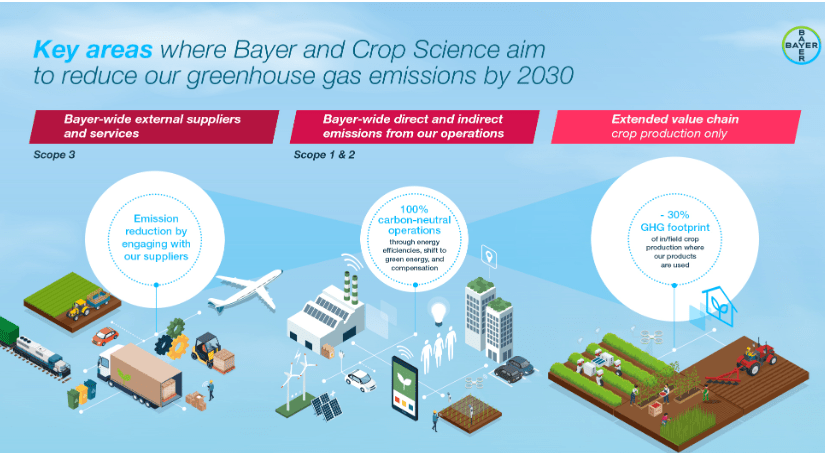
The Philippines has sent its budding agripreneurs to a virtual training mission on the proper use of more environment-friendly crop protection tools, supporting a Bayer goal to cut 30% of greenhouse gas emissions (GHG) in its serviced cropping systems globally by 2030.
A training program on the safe use of crop protection has been put up by Bayer for the last few years. This is to prevent any untoward effect of pesticides and herbicides on human health and the environment.
The International Panel on Climate Change (IPCC) noted that 23% of human GHG emission comes from agriculture forestry, and other land uses. The online Bayer Safe Use Ambassador (BSUA) program brought together more than 2,000 various stakeholders from 14 countries, including university scientists, researches, students, regulatory officials, ministries, and farmers. Students from Philippines’ state universities and colleges (SUCs) — University of the Philippines – Los Baños, Central Luzon State University, Mindanao State University, and others who were part of the previous training programs – attended the virtual training.
“By laying down the foundation of farm safety among young students, we can be assured that the next generation of farmers will embrace the need for safety and product stewardship,” said Iiinas Ivan Lao, country commercial lead for Bayer Crop Science. “This would help farming become more enticing to more Filipinos and promote it as a safe and sustainable means of livelihood.”
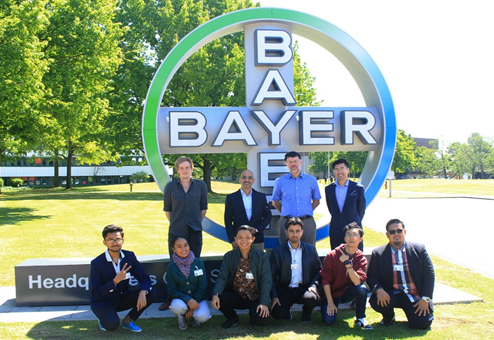
The BSUA traditionally holds a competition on potential participants’ opinion on safe crop protection practices. The winners are sent to Bayer’s agriculture headquarters in Monheim, Germany where they are exposed to theoretical and actual sustainable farming practices.
Jane Mae Navasquez, a third year agriculture student from Mindanao State University, was one of the competition winners sent to Germany in the past, the first coming from the Philippines. She was one of the speakers during this year’s virtual conference.
“My eagerness to know more about the various aspects of agriculture and help farmers motivated me to join the competition,” said Navasquez. “It was a great opportunity for me as a Filipino student to impart these learning to our Filipino farmers.”
More than a million farmers across the world were trained in 2019 by Bayer on the safe use of crop protection products. Training was focused on countries with no statutory certification requirements for the products’ handling.
Bayer also trained 4 million farmers in 82 countries in collaboration with CropLife International.
Since 2017, the BSUA program has trained more than 500 university and college students in the Philippines on how crop protection products should be used in a safe and sustainable manner.
Aside from control on disposal of chemicals to counter pests and diseases, BCS promotes use of biological remediation system (Phytobac) to farmers. This prevents “water contamination with residues of chemicals generated during the filling and cleaning of spraying devices or the disposal of residual liquids”
Bayer has a long term goal of zero emissions of GHG which are believed to be the culprit in the two-degree Celsius rise in temperature, causing the known hazards—global warming and climate change.
These are some sustainable practices for Bayer’s zero GHG emission goal, according to Bayer’s “Carbon Zero Future Agriculture”:
No-till farming: by not tilling the soil, soil health improves, allowing it to better store carbon, nutrients, and water; and by not disturbing the soil, the carbon captured remains in the ground
Crop protection technologies, including biologics, are important to preserving and enhancing yield potential of crops (and help in no-till farming or cover crops
Innovative crop genetics (e.g. in Bt corn) require less inputs like fertilizer and crop protection agents and allow growers to pursue no- and low-till farming
Digital tools: data-driven tools ensure proper seed placement and that the right amount of fertilizers and crop protection is applied in the right place at the right time, preventing over-fertilization while also requiring fewer tractor passes in the field
Water use: precision irrigation systems improve energy use and reduce the amount of water used on crops
Equipping growers to capture carbon from the atmosphere with solutions such as: Cover crops: selected crops planted off season in fields maximizes the amount of carbon that stays in the soil, preventing it from being released into the atmosphere while also enriching with nutrients potentially reducing the need for fertilizer
Dry seeding of rice: a technique that reduces methane emissions from flooded rice paddies
The BSUA is also being implemented in Indonesia, Malaysia, India, Bangladesh, Pakistan, China, Vietnam, Egypt, Jordan, Turkey, Brazil, and Peru. (Bryan Rivera, Melody Mendoza Aguiba)
The Philippines has seized a “special recognition” from the prestigious Rockefeller-funded Food System Vision Prize as it envisioned a reduction of Philippines’ P742 billion yearly food imports by 2050.
The Philippines’team led by the National Academy of Science and Technology (NAST) sprung up out of 1,300 entries globally.
The country’s entry is an extensive collaborative work between 14 institutions including those from the academe, government, private sector, and professional/civic associations.
The NAST-led team contends for a digitally-run food system that produces nutrition-rich and breeding-dominated food. It equally benefits farmers, consumers, and the environment.
“Food imports mainly commodities (rice, corn, onion, mungbean, garlic) can be reduced. A total of P742 billion used for food imports in 2018 and growing 25% a year will circulate in the local economy. There will be fewer problems with water and food scarcity, traffic, crime, and pollution,” the experts predict.
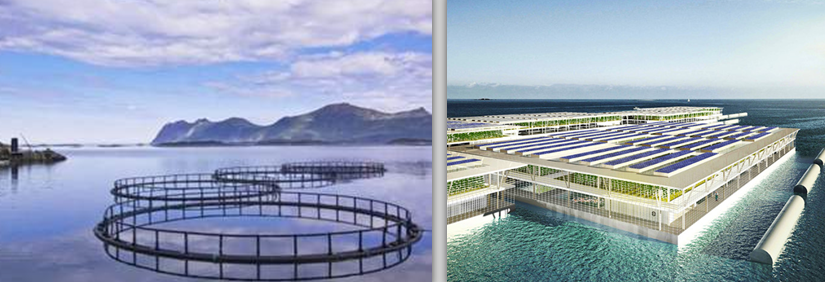
Food from aquatic environment and hybrid facilities
The visioning competition was put up by New York-headquartered Rockefeller Foundation and OpenIDEO and SecondMuse. Its goal is to help economies develop a vision for sustainable and nourishing diet for their people. It has established a $2 million fund for the winnings.
Rockefeller Foundation is also a major funder of CGIAR (Consortium of International Agricultural Research Centers). Los Banos-based International Rice Research Institute (IRRI) is one of its centers.
In its entry “Feeding Metro Manila in 2050,” the home team foresees that Filipinos will have adapted to a more diversified diet by 2050. This weans them from calorie-rich rice-based diet that is linked with several chronic diseases. They will be more accustomed then to eating the richer staples they were used to in the old tradition—banana, sweet potato, and other root crops and tubers.
Food choice is the key to repairing the food system. Dr. Eufemio T. Rasco Jr.
Food will then be sourced from more affluent farmers who directly deliver to consumers more nutritious food via digital-based distribution system.
The future food system will transform waste into economically valuable resources such as fertilizers or renewable energy.
“The traditional sewage treatment plant will be transformed to a ‘factory’ where domestic waste will be processed to produce recycled water, energy and fertilizers. Consumers will earn from the daily waste they generate,” said Dr. Eufemio T. Rasco of NAST in the Food System Vision Prize (FSVP) entry.
Food will be produced with less water. Land will be regenerated into watersheds, forests, and habitat for a richer biodiversity.
Visions
These are among NAST’s top visions for 2050:
Filipinos will extensively use apps such as the Genopalate. This suggests an individual’s diet based on his genetic information. Apps with sensors will suggest diets based on data on one’s gut microbiome. Internet will play more role in food delivery, enhancing the usual food access systems.
The Fourth Industrial Revolution (FIRe) technology will be put forth. This enhances development and integration of biological, physical, and digital technologies.
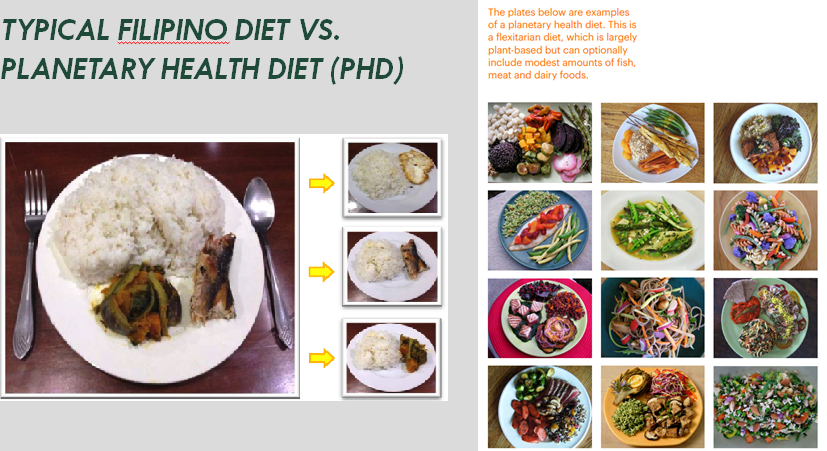
Typical Filipino diet versus Planetary Heatlh Diet
The practice of FIRe technologies cuts losses and wastage; innovate business models, allowing disruption of prevailing markets; and enables cost efficiency in the use of resources.
One application of integration of FIRe technologies is in smart urban farming such as aquaponics which is climate controlled, soil-free, and allows for multi-trophic biological system. It produces different species in various, linked food chain. For one, aquaponics may produce lettuce at the top and fish underneath the water.
“Smart sensors can be used to monitor the use and recycling of water, as well as the use of LED grow lights that produce the necessary light spectrum to stimulate plant growth within indoor facilities. “
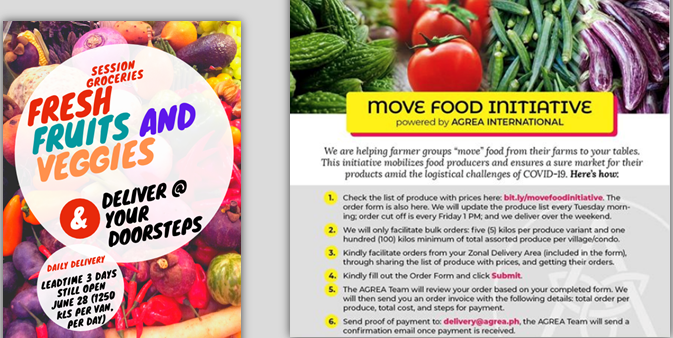
Food will be direct from farmers to consumers
Food manufacturing 4.0 is foreseen to produce more environment-friendly, nutritious food with new techniques such as DNA-editing technology.
Digital technologies such as block chain may enable enhanced safety, traceability, and transparency in the food chain.
“Such digital platform integrates information from the Plant Health Diet (PHD, genomic data (of individuals), environmental impact, price, local and seasonal availability,(and even farmers’ income)..
New sensor technology that tracks the changes in gut microbiome in response to food, can also be used to further customize food recommendations.”
Online food ordering PHD App Plus to become mainstream in 2050
There will be Reverse Logistics. It enables transportation of products from retail stores to factories in order to allow for “reuse of packaging materials and resale or proper disposal of unsold products.”
With dehydration technology, Ilocanos may again enjoy the full original flavor of their favorite ‘saluyot’. Breeding technologies may enable the masses to get a taste of the nutrient-filled red rice, instead of just the white refined rice stripped of vitamins and minerals. By raising yield to say 10 tons per hectare, rather than just 1.5 tons per hectare as in the current yield, breeding may make red rice significantly cheaper.
“Technology expands our food choices. By diversifying farming, we create an economic justification for research institutions to invest resources on neglected species. When the disappearing and lost species find their way back into the dining table, farms and research institutions, we will have a good chance of regenerating whatever is left of the culture that has been lost by their disappearance.”
Planetary Health Diet
The scientists find that the need really is for Filipinos to shift from rice-based diet to the emerging Planetary Health Diet (PHD). A diet with more fruits and vegetables, herbs, spices, legumes, mushrooms, and lentils, PHD equally benefits the human health, farmers, and the environment.
It will earn a higher income and marketing margin for farmers. Crop diversification enables them to produce varied and seasonally accepted crops at prices that give better rate of return.
“Fish and other aquaculture products will be produced by sustainable aquaculture (dominantly mariculture and sea ranching) farms. ‘Hybrid’ production systems such as aquaponics and floating gardens utilizing Laguna de Bay will supplement traditional systems.
More vegetables will be produced by households or “urban farmers.”
NAST vision of a food system by 2050
“Unconventional items such as insects and microalgae will be produced too. Urban farms will supply low-cost mass-produced food to the masses in small climate controlled spaces, managed with the help of artificial intelligence. “
Jobs will be created from the production of biodegradable packaging materials. These will come from ‘palms, bamboo, abaca, and other local fibers.’ This will contribute to lower carbon footprint. It Will enhance Metro Manila’s increased adaptability to climate change—reducing waste, flooding, and related disasters.
Small farmers and fishers will be tending more artisanal and diversified farms. That replaces their present production of mere commodities (rice, corn) whose supply, demand, and price are dictated by world market.
There will be less pressure for farmers in rural areas to move to the cities as they will enjoy better livelihood. The rural economy beams with opportunities.
To fight against climate change which is projected to raise temperature by 2 degrees Celcius, some technologies that may be adapted include the following:
Cultivation of stress tolerant crops such as such as submergence tolerant rice and drought-resistant sweet potato. Products with longer shelf life and enhanced functions should be developed. Among these are camote and (cassava flours) that are more adaptable to climate change than rice.
Use of technologies for accurate weather forecasts, soil and hazard data, water harvesting technologies (small water impounding structures), alternate wetting and drying practice for rice, drip irrigation; integrated pest management, and agroforestry and permaculture systems,
Diversification, for rice farming, may include integration of mushroom production, milk from water buffalo, and vermiculture.
Production of conventional foods such as green vegetables and salad crops, and high tech unconventional foods such as single cell proteins, clean meat, and insects among others. Peri-urban artisan farms will supply special needs such as organic, halal, kosher, pesticide free, animal-welfare compliant, farmer-friendly food.
The team
Government collaborators in the Philippines’ entry include the Institute of Plant Breeding and the Philippine Rice Research Institute.
From the academe, the participants are De La Salle Araneta University, De La Salle University-Manila, Ateneo de Manila University, and University of the Philippines (SPICE project),
The private sector is represented by East West Seeds, Philippine Chamber of Agriculture and Food Inc (PCAFI), and Management Association of the Philippines- Agribusiness and Countryside Development Foundation.
Research associations and other civic groups include Coalition for Agricultural Modernization of the Philippines, National Research Council of the Philippines, Urban Agriculture PH, Pambansang Kilusan ng Mga Samahang Magsasaka, and Young Professionals for Agricultural Development.
Policies
To make the vision possible, policies must be established on top of what have already been put in place (Balik Probinsya, Rice Tariffication Law, Agri-tourism, seed industry development).
These policies encompass many disciplines such as education, nutrition and feeding programs on the PHD; preventive medicine; and on research and development for food technologies, integrated farming, among others; and calamity preparedness and resilience.
These laws may need to be put forth and implemented—Republic Act (RA) No. 10,000—Providing Agricultural and Agrarian Reform Credit; RA 9513 — development of renewable energy resources; RA 9275 –improvement of sewage systems; RA 10,816—farm touirism development; Executive Order 114—Balik Probinsya Law;
Other policies that must be implemented involve biotechnology and urban agriculture, creation of Department of Fisheries and Oceans; bioprospecting laws, rehabilitation of Food Terminal Inc., and digital infrastructure.
Tradition and culture
NAST believes that its vision richly enhances sustainability of Filipinos’ tradition and culture. Its natural topography, with its archipelagic nature, gives way to highly diversified culture –food, rituals, and traditions.
While commercialization and urbanization brought about in the past a kind of monoculture in food (90% of land is planted mainly to rice, corn, and coconut), modern technology is reviving the food tradition based on regional preference.
Urbanized Metro Manila
Metro Manila is now entangled in a host of problems, mainly poverty as 5.2 million of its 12.8 million population is live below poverty threshold. Their living condition is not acceptable.
It renders the poor deprived of sufficient and nutritious food. An estimated one-third of children under 5 are stunted. One-third of adults aged 20 or older are overweight or obese.
Filipino farmers are considered poorest of the poor. This leads the younger generation to stay away from agriculture. That makes average farmer age at 58 years old.
With a more monoculture type of farming, 88% of “diverted water” are devoted just for rice. Households every now and then suffer from water shortage.
Other burdensome problems are food production systems that cause significant volume of waste and pollution (fertilizers, pesticides, poultry and livestock growth chemicals) on land and rivers like Manila and Laguna bays; climate change that cause disasters and food production damages.
Tradeoffs
There may be tradeoffs that the country may choose in order to prefer the better over the good.
If farmers have to be favored, farm diversification may generate higher income for farmers, rather than if they just focus on producing one crop. However, consumers may need to adjust their tastes to a new culture (consuming Filipinos’ old staple- banana, instead of the white refined rice).
Fishermen will be prohibited to fish in fish sanctuaries just in order for fish catching in the wild to be sustainable.
FSVP Finalists
These are the Top 10 Finalists for the FSVP:
7Gen Food System: Led by the Sicangu Lakota people, this Vision for the Rosebud Indian Reservation of South Dakota, USA outlines a regenerative agricultural system that creates economic opportunities for tribal members; increases the accessibility of locally produced, nutrient-dense foods; and re-establishes the Lakota as primary stewards of the lands [Lead Organization: Sicangu Community Development Corporation].
Arakunomics: Focusing on the regions of Araku, Wardha, and New Delhi, India, this Vision empowers tribal communities and seeks to ensure environmental sustainability, fair profits for farmers, and food and nutrition security for all [Lead Organization: Naandi Foundation].
Eat Right: This Vision from New Delhi, India looks to create a national movement towards healthier diets through a systems-based approach of reducing food waste; improving hygiene and sanitation across the value chain; and increasing access to and affordability of healthy foods [Lead Organization: Food Safety and Standards Authority of India, Ministry of Health and Family Welfare, Government of India].
Food Innovation Nervecenter: This Vision from Lagos, Nigeria identifies six key food challenges for the region, from food waste to aging farmers, and outlines a multi-faceted plan to build a more regenerative and nourishing food system [Lead Organization: Darkpore Media Africa LTD].
From Mama’s Kitchen to Metropolitan Beijing: This Vision from Beijing, China imagines a plant-based dietary transformation for the world’s most populous nation, contributing to reductions in greenhouse gas emissions and pollution [Lead Organizations: Good Food Fund of the China Biodiversity Conservation & Green Development Foundation].
Kwayeskastasowin Wahkohtowin: Led by local First Nations communities, this Vision from Manitoba, Canada aims to create a just and sustainable agrifood system while addressing the process of decolonization and reconciliation between Indigenous and settler populations [Lead Organization: Natural Systems Agriculture Laboratory, University of Manitoba].
Lima 2035: This Vision for Lima, Peru imagines a regenerative and nourishing food oasis by 2035, with the aim of securing climate-resilient running water for all in Lima’s fragile desert environment [Lead Organization: International Potato Center].
Re-rooting the Dutch Food System – From More to Better: This Vision from the Netherlands outlines a transformed, circular Dutch food system that safeguards natural resources, promotes a healthier and more sustainable plant-based diet, and recycles unavoidable losses and wastes [Lead Organization: Wageningen University & Research].
Restoring Nairobi to “A Place of Cool Waters”: This Vision for Nairobi, Kenya aims to develop a more equitable, just and sustainable urban space, where access to nutritious food is a reality for everyone [Lead Organization: African Population and Health Research Center].
Stone Barns Center: This Vision from the Hudson Valley in New York, U.S. seeks to bring about a new food culture—rooted in the ecological, nutritional and communal potential of organic agriculture—through groundbreaking culinary experimentation [Lead Organization: Stone Barns Center for Food and Agriculture].
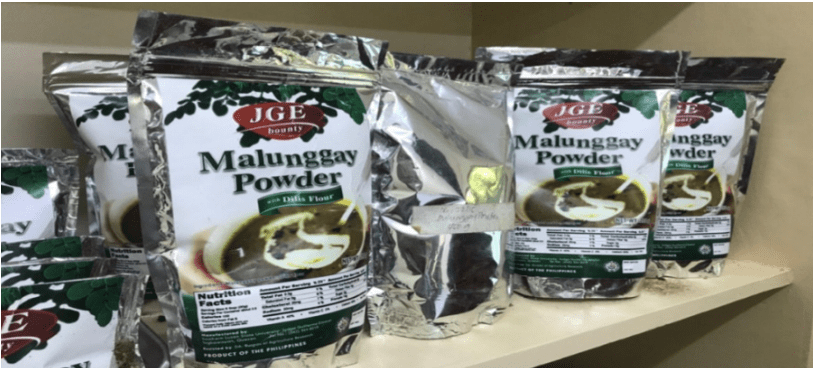
Amid the threats of Covid-19, malunggay and ‘dilis’ is turning out to be a “go to” for nutrition as the Southern Luzon State University (SLSU) has developed a highly marketable Malunggay Powder and Dilis Flour (MPDF).
The SLSU in Tagkawayan, Quezon has developed the MPDF which is now a product deemed as highly marketable under the Technology and Investment Profiles (TIP) monograph series published by Southeast Asian Center for Graduate Study and Research in Agriculture (SEARCA). The project is funded by the Bureau of Agriculture Research (BAR).
Results showed that the malunggay products have met the parameters for each tool to be identified as a financially viable investment project.
The SEARCA- feasibility study of MPDF used cash flow analysis, net present value, benefit-cost ratio, and financial internal rate return.
SEARCA Director Glenn M. Gregorio said that SEARCA is now actively promoting technology-based innovations among local enterprises. This is under SEARCA’s 11th Five-Year Plan focused on Accelerating Transformation Though Agricultural Innovation (ATTAIN) program.
The experts said MPDF technology can be used as food ingredient in many dishes and as flavoring to various food delicacies including ham, longganisa, tapa, sausage, pork-fish siomai, kropek, macaroni soup, porridge, polvoron, squash cake, ensaymada, pizza pie, toge, tart, and hotcake, among others. With this, it aims to increase home consumption of inexpensive yet highly nutritious food.
The project was led by Dorris N. Gatus, project leader; Veronica Aurea A. Rufo, project coordinator; and Nemia C. Pelayo, technical adviser.
It also targets to create livelihood opportunities for residents and non-residents of Tagkawayan, Quezon, Philippines
The authors of the TIP said that the technology’s market and use extends from feeding programs of school children, bakers from five municipalities in Quezon Province with high incidence of malnutrition (i.e., Tiaong, Catanuan, Dolores, Quezon, and Mulanay), and local restaurants.
Its target consumers include other institutional buyers (e.g., bakeshops, eateries, restaurants, hotel establishments, and hospitals); entrepreneurs who are engaged in food processing business enterprises; households, particularly those with lactating mothers and malnourished children; vegetarians, especially those suffering from anemia; and government agencies implementing feeding programs.
Many times richer in vitamin-C, malunggay (Moringa oleifera) is being touted as “better than cure” as it may help prevent many other diseases. It has been known that fresh malunggay leaves haves seven times the vitamin C of orange, 4 times the vitamin A of carrots, and 4 times the calcium of milk.
This popular vegetable is part of the Filipino diet for generations. ‘Tinolang manok’, chicken cooked in papaya will not be complete without malunggay leaves. For Ilocanos, the leaves of the malunggay and its pods are perfect when cooked with other vegetables and fish. Those who know this often has a malunggay tree beside their house.
Some are now using malunggay powder to fortify the all-time favorite pan de sal. Malunggay’s use has been promoted by the World Health Organization (WHO) as a low-cost health enhancer in poor countries around the globe.
Millions of Filipinos, particularly children, are suffering from undernourishment and malnutrition not just because of hunger and poverty, but also because of poor diet and eating habits. Access to nutritious food has also been identified as the reason for this alarming health concern.
Meanwhile, dilis or Philippine anchovy, more known in its dried fish form, is abundant in the market. While they are quite popular among the older generation, they are not a hit to the young ones.
Like malunggay, dilis—a small, common saltwater forage fish—has been identified as rich in protein and other minerals and vitamins with high levels of polyunsaturated fatty acids. Specifically, anchovies are a good source of minerals, including calcium, potassium, iron, phosphorus, magnesium, zinc, and sodium. Moreover, anchovies are rich in vitamins such as B vitamins (B1, B2, B3, B6, B9, and B12), vitamins A, C, E, and K.
Dilis, according to BAR, paper, can is a flavouring for “sauces, salad dressings, pasta, and pizza.” It is also a snack for the native Filipino.
SLSU Professor Doris Gatus said sensory analysis and consumer acceptability studies have already been conducted for the MPDF. The product has also been tested in
school feeding activities to supplement children’s nutritional requirement and intake.
Recommended ratio for the product mix (maluggay to dilis) is 1:1, 3:1, and 3:2 (depending on the use)
“One kilogram of fresh malunggay leaves can produce 300g malunggay-powder and 1kg. dilis (utilizing the fleshy part) can likewise produce 100g dilis powder,” said Gatus.
Through the program, Filipinos in rural areas are hoped to improve their productivity and while increasing home consumption of the highly-nutritious yet inexpensive MPDF.
“For every 100 grams of dilis flour fortified with malunggaypowder, the following nutritional values can be achieved: carbohydrates (3 percent), protein (5 percent), vitamin A (40 percent), vitamin C (2 percent), calcium (40 percent), and iron 10 (percent),” said Gatus.
Campaign calls for women to prioritize family planning, health despite COVID-19 · COVID-19 is posing an urgent threat to women’s health and empowerment by limiting access to family planning and healthcare services.
#HerHero campaign rallies key stakeholders across Asia Pacific to call for a wider support network of everyday heroes to champion and help women overcome the barriers in prioritizing their health
Representatives from the Population Council, the National Population & Family Planning Board of Indonesia (BKKBN), the Commission on Population and Development of the Philippines (POPCOM), the Federation of Obstetric Gynecological Societies of India (FOGSI), United Women Singapore (UWS), the Garden of Hope Foundation Taiwan, Doctor Anywhere and Bayer jointly pledged their commitment to empower women in making informed choices about family planning and their health
September 25, 2020 – This World Contraception Day, healthcare professionals, policymakers, non-governmental organizations (NGOs) and women influencers in Asia Pacific rally together to call for women to prioritize their health and their family planning needs, even during the pandemic. With COVID-19 posing an urgent threat to women’s health and ability to plan their families, Bayer today launched the #HerHero campaign to support women in taking action to prioritize their health and take charge of their lives. Women’s influencers and representatives from key organizations in Asia Pacific came together today at the #HerHero Virtual Forum on Health, Empowerment and Progress and jointly pledged their commitment to be ‘HerHeroes’, those who support and empower women in their communities to help them make informed choices. They also called for wider public support to join in the pledge and give voice to women’s health needs and empowerment.
The #HerHero virtual forum, organized by Bayer in collaboration with the Population Council, Doctor Anywhere, UWS and media partner Clozette, also marks the 60th anniversary of the contraceptive pill. It was attended by women’s advocates and family planning leaders including Dr. Ashish Bajracharya, Deputy Director, Country Strategy & Regional Representative, South & East Asia, Population Council, Dr. (H.C.) dr. Hasto Wardoyo, Sp.OG(K), Chairperson, BKKBN, Usec. Juan Antonio Perez III, Executive Director, POPCOM, Dr. Shobha Gudi, Chairperson of the Family Welfare Committee, FOGSI, Ms. Georgette Tan, President, UWS and Ms. Ping Rong Chen, representative of the Garden of Hope Foundation Taiwan.
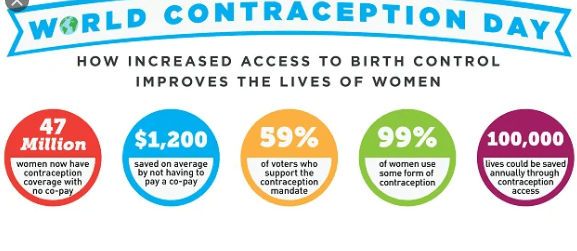
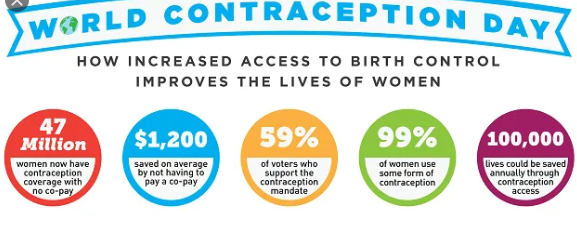
World Contraception Day
Photo Credit: PharmaTimes
Despite the progress made in empowering women’s lives over the last 60 years, barriers still exist today, made worse by the current pandemic. Many women worldwide are losing access to health and family planning services due to COVID-19 restrictions, and are putting off face-to-face medical consultations for seeking professional advice due to fear of contracting the virus. The UN projects that more than 47 million women could lose access to contraception, leading to 7 million unplanned pregnancies in the coming months[1]. These have lifelong health and socio-economic impact on women and their families.
“As the world responds to the COVID-19 crisis, women’s reproductive health and rights must be carefully safeguarded. We must continue to collaborate, innovate and work to ensure women have access to modern contraception and resources that enable them to make informed decisions about their futures,” said Ashish Bajracharya, Ph.D., Deputy Director, Country Strategy & Regional Representative, South & East Asia, Population Council.
Women’s health and family planning topics are not openly discussed in Asia, and women can find it hard to make informed decisions. The #HerHero campaign celebrates the everyday heroes – such as family, friends, pharmacists and doctors – who support women with a safe space to talk about such topics, and calls for the wider public to commit to also being ‘HerHero’ to the women in their networks. Amid the pandemic, digital platforms offer a new way for women to reach out to their heroes. Telemedicine is fast becoming a safe and convenient option for seeking medical consults on health and family planning matters, especially for individuals with COVID-19 safety concerns. The strong uptake of telemedicine in Asia Pacific in the recent months is here to stay, with consumers expecting to make greater use of digital health services in the next five years[2].
“Our commitment to women’s health drives us to empower women to make informed decisions about their health and family planning, with our innovative contraceptive portfolio and digital health initiatives targeted at improving contraception education,” said Catherine Donovan, Head of Medical Affairs, Bayer Pharmaceuticals Division Asia Pacific. “Our new #HerHero campaign, which also commemorates 60 years since the invention of the contraceptive pill, underscores our efforts to safeguard and prioritize women’s health and needs, even during the pandemic. By sparking conversations about these issues and celebrating the people that empower women each day, we hope to rally support for women in caring for their health.”
Bayer is constantly innovating to find new ways to engage everyday women in taking control of their lives. By developing chatbots in Asian countries with a high unmet need in family planning education, and promoting engagement with the public on social media platforms, Bayer aims to bridge knowledge gaps by providing women easier access to reliable information on contraceptive options and reproductive health.
Across Asia Pacific, Bayer has been collaborating with governments and organizations to introduce initiatives that promote greater contraception awareness and education. This include its partnerships with the BKKBN in Indonesia, the POPCOM in the Philippines, the Department of Health’s Bureau of Reproductive Health in Thailand, and the Family Planning and Women’s Union (FPWU) and Government Office of Family Planning (GOPFP) in Vietnam. With the goal of achieving its “Health for all, Hunger for none” vision, Bayer will continue to invest in multi-stakeholder aid programs, with the ultimate goal of providing 100 million women in low- and middle-income countries with access to modern contraception methods by 2030.
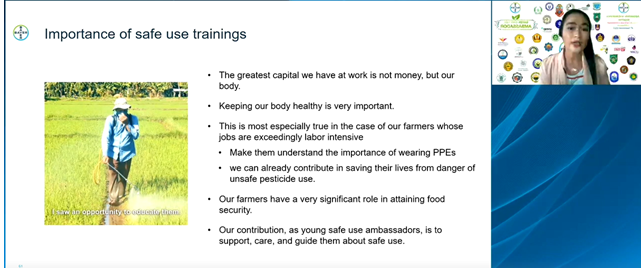
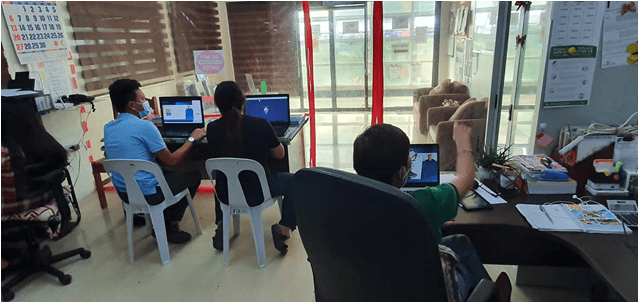
September 17, 2020 – More and more students taking up agriculture are encouraged to orient farmers on the safe use of crop protection products. Bayer Philippines had recently launched its first ever virtual safe use ambassador conference for the purpose of increasing farmer awareness and adoption of the proper use of agricultural chemicals for their own safety.
The online conference brought together more than 2,000 various stakeholders from 14 countries, including university scientists, researches, students, regulatory officials, ministries, and farmers. Students from Philippine universities and colleges invited were University of the Philippines – Los Baños, Central Luzon State University, Mindanao State University, and others who were part of the previous training programs.
Since 2017, the Bayer Safe Use Ambassador program has trained more than 500 university and college students in the Philippines on how crop protection products should be used in a safe & sustainable manner. The session includes both a classroom and field demonstration portion so that students may see for themselves the right way of applying these products to protect both the farmer and the crops. Aside from the Philippines, the program is also being implemented in other countries around the world, including Indonesia, Malaysia, India, Bangladesh, Pakistan, China, Vietnam, Egypt, Jordan, Turkey, Brazil, and Peru.
Jane Mae Navasquez, seated second from left, from Mindanao State University in her visit to Bayer Crop Science headquarters in Monheim, Germany as one of the competition winners
“By laying down the foundation of farm safety among young students, we can be assured that the next generation of farmers will embrace the need for safety & product stewardship,” said Iiinas Ivan Lao, country commercial lead for Bayer Crop Science. “This would help farming become more enticing to more Filipinos and promote it as a safe & sustainable means of livelihood.”
In a survey conducted with university scientists and researchers before the conference, most responses confirmed our understanding that the industry along with governments, academia, and farming communities play a key role in ensuring safe use of crop protection products.
To encourage the students to teach farmers on safe use of agriculture products, Bayer holds an annual competition wherein students can send in their essay and videos on their experience in training farmers. Those selected are invited to Bayer’s agriculture headquarters in Monheim, Germany and engage with leaders and stakeholders on how safe use programs can be further enhanced in all countries.
Jane Mae Navasquez sharing her views during the virtual conference on why farmers should get into safe use trainings when applying crop protection products in their livelihood
Jane Mae Navasquez, a third year agriculture student from Mindanao State University, was one of the competition winners and the first coming from the Philippines. She was one of the participants in the safe use ambassador training sessions held by Bayer and became inspired to help farmers in her town. Navasquez was one of the speakers during the virtual conference.
“With my eagerness to know more about the various aspects of agriculture and help farmers in return motivated me to join the competition,” said Navasquez. “It was a great opportunity for me as a Filipino student to impart these learnings to our Filipino farmers.”
Navasquez felt the responsibility to share her newly gained information about safe use of crop protection products. She was worried that traditional farmers still do not adopt the recommended practices, which included wearing personal protective equipment (PPEs), and the potential negative impact on their health.
Representatives of the Fertilizer & Pesticide Authority (FPA) in Region 12 participated in the Bayer Safe Use Ambassador virtual conference
The students and farmers establish an emotional relationship beyond that achievable by any institution. Bayer intends to extend the program to more countries in order to expand the outreach of safe use of these agricultural products.
“There is still a long way to go when you talk about knowledge transfer to farmers on the right way to use crop protection products,” added Lao. “However, we believe that we should do it both ways—teaching farmers through our regular engagement activities and building that foundation among future farmers who will produce food for us in the succeeding years.” Bryan Rivera
The Commission on Population and Development (POPCOM) recently launched its new Facebook live series aimed at reaching out to more Filipinos and communicate the importance of family planning during the current crisis.
Entitled “Usap Tayo sa Family Planning,” the show features Usec. Juan Antonio Perez III, POPCOM Executive Director and called “Doc Jeepy”.
“During this pandemic, it is still very difficult to go to the barangays for a face to face discussion and talk about family planning,” said Usec. Perez. “We realize the need to be more creative in tapping other channels such as social media so that we can inform more Filipinos on family planning and health to uplift their well-being.”
In support of POPCOM’s thrust on family planning education, Bayer has partnered with the government organization through its own platform, Ask Mara PH. Ask Mara is a social media channel that provides awareness on different contraceptive options for modern Filipino women. Since its launch in October 2019, Ask Mara PH has been an instrumental sdsyytool in sharing such relevant information. Anyone with internet connection can easily access Ask Mara through its Facebook page and even get questions answered instantly through the chatbot feature in Messenger.
For many decades, Bayer has dedicated itself to providing reliable family planning to women throughout the world, and thus reducing the number of unplanned pregnancies. Part of this approach involves providing education on contraceptive methods and principles. The company is involved in numerous educational initiatives to provide consumers with information, including World Contraception Day and the associated “Your Life” campaign. “Your Life” is aimed at 13- to 25-year-olds and is supported by a host of non-profit organizations. It is also part of the commitments listed under the UN movement “Every Women Every Child” (EWEC). Together with its partners, Bayer launched the annual highlight of the campaign, World Contraception Day, in 2007, which is celebrated around the world on September 26 every year.
“While educating Filipinos on family planning, we highlight the different contraceptive options available that would suit their needs,” added Usec. Perez. “This includes the contraceptive pill, which has been around for 60 years to support women’s health.”
Almost six decades ago, the first contraceptive pill enabled women to gain control over their own bodies at a previously unprecedented level. For the first time, they were able to prevent pregnancy by taking a hormonal preparation. This revolutionary method of family planning became a turning-point for society and a key driver of emancipation. The UN estimates that today 151 million women all over the world aged between 15 and 49 use the pill as their contraceptive method of choice.
“The pill was the first time that women had been able to take control of major life decisions, especially family planning,” said Dr. May Pagunsan, Country Medical Director for Bayer Philippines.
From a 2018 published report on abortion worldwide entitled “Uneven Progress and Unequal Access,” there were around 99 million unplanned pregnancies between 2010 and 2014, over half of which (56 percent) ended in abortion. In another study which tracked unintended pregnancy and its outcomes from 1990 to 2014, experts estimate that around 44 percent of all pregnancies are unplanned; this rises by 20 percentage points in developing economic countries compared to developed countries (65 percent compared to 45 percent).
According to the United Nations Population Fund (UNFPA), there are 214,000 unplanned pregnancies projected this year. For 2021, the number of unplanned pregnancies will increase to 740,000 unplanned pregnancies, almost a 50% increase. Moreover, three out of every 10 pregnancies are unplanned or unintended, based on a Philippine Statistics Authority (PSA) survey. The UNFPA also reported that even if some 214 million women worldwide want to avoid pregnancy, they risk getting pregnant. This is due to lack of access to family planning methods or absence of support from partners and communities. Similarly, the National Demographic and Health Survey shows that 9% women aged 15-19 have begun childbearing and 17% of women aged 15-49 want to practice family planning but do not have access to said methods. This hinders women to reach their full potential to contribute more for themselves and their families.
“Numbers of unplanned pregnancies are still high here in the Philippines,” added Dr. Pagunsan. “Bayer is seeking to change this by providing a broad range of different contraceptive products and methods, strengthening and supporting women in the life decisions they take.”
In addition to its educational activities, Bayer continues to invest in multi-stakeholder aid programs and has set a new goal to provide 100 million women in low- and middle-income countries with access to modern contraception methods by 2030.
“Ultimately, one of our objectives at POPCOM is to reduce the level of poverty in the country by engaging with women and men so that more Filipino families to take control of their health and capability to support children,” said Usec. Perez. “If there are more family planning options that are affordable, acceptable and accessible, it will be easier for families to manage what they can and enhance their standard of living.” End
About Bayer
Bayer is a global enterprise with core competencies in the life science fields of health care and nutrition. Its products and services are designed to benefit people by supporting efforts to overcome the major challenges presented by a growing and aging global population. At the same time, the Group aims to increase its earning power and create value through innovation and growth. Bayer is committed to the principles of sustainable development, and the Bayer brand stands for trust, reliability and quality throughout the world. In fiscal 2019, the Group employed around 104,000 people and had sales of 43.5 billion euros. Capital expenditures amounted to 2.9 billion euros, R&D expenses to 5.3 billion euros. For more information, go to http://www.bayer.com.
Bayer Crop Science (BCS), Jardine Distribution Inc. (JDI) and its subsidiary Taipan Brand Farm Inc. (Taipan) have agreed on a milestone partnership for distribution of selected Bayer brand crop protection products to increase farmer accessibility to these agricultural inputs.
In a joint letter to its distribution channels, the companies mentioned that despite ongoing challenges facing the agriculture sector, they believe that farmers should continue to receive support from all stakeholders as they are vital for our country’s food security and resiliency efforts.
Through the new collaboration, JDI will be handling marketing, distribution, and demand creation initiatives for Bayer’s Hedonal herbicide brand. Meanwhile, Taipan will distribute Confidor, Previcur N, Hoestick, and Bayfolan crop protection brands.
“We are excited with this new partnership between Bayer and Jardine, along with Taipan, given that both are reputable in agriculture and trusted by millions of Filipino farmers,” said Iiinas Ivan Lao, Country Commercial Lead for BCS. “This will allow us to focus on our core products so that we can better serve our farmers with the right technologies and recommendations.”
“Our team is looking forward to add on Bayer’s products in our wide portfolio offering to farmers,” said Edwin Hernandez, President for both JDI and Taipan. “We have an established channel network that would support product access for our farmers so that they could boost their yield & profitability.”
The companies emphasized that they are confident that the new partnership would benefit its distribution channels and would increase patronage from farmers who rely on the crop protection solutions included in the deal.
About Jardine Distribution
Jardine Distribution, Inc. is a wholesale distributor of various agricultural products, applied construction chemicals and household consumer items. Jardine is a member company of the Jardine Matheson Group and works within the framework of Jardine Engineering Corporation, a company headquartered in Hong Kong and operates throughout Asia.
About Taipan Brand Farm
Taipan Brand Farm, Inc. is a member of the Jardine Distribution family of companies. Product distribution through Taipan Brand Farm is accomplished through a wide network of authorized distributors and dealers nationwide, and market coverage is achieved via a highly trained sales force and technical support team.
About Bayer
Bayer is a global enterprise with core competencies in the life science fields of health care and nutrition. Its products and services are designed to benefit people by supporting efforts to overcome the major challenges presented by a growing and aging global population. At the same time, the Group aims to increase its earning power and create value through innovation and growth. Bayer is committed to the principles of sustainable development, and the Bayer brand stands for trust, reliability and quality throughout the world. In fiscal 2019, the Group employed around 104,000 people and had sales of 43.5 billion euros. Capital expenditures amounted to 2.9 billion euros, R&D expenses to 5.3 billion euros. For more information, go to http://www.bayer.com. —
Domestic corn price is feared to go through a downward spiral from the already depressed P12 per kilo due to feed wheat imports coinciding with the harvest, compelling corn farmers to press government to show political will by prohibiting import arrival at harvest.
Corn farmers have also challenged government to address perennial poverty among corn farmers by intervening in putting up corn storage facilities. The lack of such storage facilities compel Filipino farmers to give in to low prices, or their produce just spoils. This renders farmers helpless at the mercy of traders trying to haggle for bargain prices.
The Philippine Maize Federation Inc. (Philmaize) and the Philippine Chamber of Agriculture and Food Inc. (PCAFI) have denounced that Department of Agriculture-Bureau of Plant Industry (DA-BPI) allowed feed wheat import arrival during this current corn harvest.
Feed millers’ recent importation of a reported 81,200 metric tons (MT) of feed wheat is unfortunately bringing price further down to P12 per kilo or below. This is against expected farmgate of say P15 per kilo and above. Feed wheat is a usual cheaper substitute to corn.
“Imports of feed wheat accounts for only 1 to 2% of corn production. But still, their effect on pushing down local corn price is significant. It becomes worse as the NFA (National Food Authority) no longer supports corn price as it now has a different mandate due to the RTL,” said PMFI President Roger V. Navarro.
NFA is no longer buying corn from farmers even as its function has been limited by the Rice Tarrification Law implemented since 2018-2019.
PCAFI President Danilo V. Fausto said government must continue its price support function for corn even especially amid the pandemic.
“Government should immediately initiate aprogram to buy the corn being harvested at a viable price from the farmers for storage as buffer stock to support future demand during non-harvest season,” said Fausto.
State competition-policing agency Philippine Competition Commission (PCC) has just released a study showing local corn price is significantly adversely affected by feed wheat imports.
“The Philippines imports feed wheat every month and therefore, when local corn harvest coincides with the arrival of feed wheat, the price of local corn is usually depressed, “ according to the study commissioned by PCC.
“This is a more pronounced during the third quarter when the Philippines has the big bulk of local harvest and the quality of which is affected by lack of mechanical dryers.”
Navarro said DA-BPI which issues import permits and Sanitary and Phytosanitary Import Clearance (SPICS) should have known beforehand of this import arrival.
“Feed wheat imports can arrive year-round because they have storage facilities from their origin. But they are timing arrivals even during the corn harvest just to take advantage of lower prices,” said Navarro.
Philippines’ feed wheat imports come from Australia, Bulgaria, United States, Canada, India, Russia, Brazil, European Union, and Black Sea.
With the Bayanihan 2 program intended to uplift Filipinos’ livelihood, the government should immediately intervene in supporting corn price and put up storage. This is along with providing technology and funding to counter the highly devastating Fall armyworm, Fausto said.
“Corn is one of our major crops where millions of our farmers depend on for their livelihood. It represents around 10% of total crop production. Government should protect our corn farmers especially during this time of crisis to allow them to survive. Importation of corn substitutes such as feed wheat should be regulated when corn is being harvested,” said Fausto.
A PCC-commissioned study carried out by the Asian Social Project Services INc. (ASPSI) came up with this conclusion:
Local farm gate prices of corn go down even if international market prices might be high; this is primarily due to the lack of storage capacity when import delivery (corn and/or feed wheat) coincides with local harvest
Lower price (and income) dampens the interest and capacity of farmers to plant the next season hence feed millers have to buy high the next time around because of reduced local supply
This explains the boom and bust cycle in the Philippine yellow corn industry; but with more feed wheat imports, yellow corn farm gate prices might continue to be in a bust. Melody Mendoza Aguiba
ATTACHMENT: Philippine Competition Commission study by ASPSI
A Technical Panel for Agriculture has been reconstituted by the government as part of an emerging trend to put agriculture as a preeminent policy tool in poverty reduction and economic growth that begins by massively hitching up intellectual capital.
The Commission on Higher Education (CHED) has appointed Dr. Glenn B. Gregorio, director of ASEAN agency Southeast Asian Regional Center for Graduate Study and Research in Agriculture (SEARCA) as chairperson of its Technical Panel for Agriculture (TPA).
“The reconstitution of technical panels is anchored on the need to align higher education to standards, priorities and needs in international, regional, and national settings. The experts from academe, government and industry will assist the Commission in policy formulation,” said CHED Chairman J. Prospero E. De Vera III.
As agriculture remains a major engine of economic development in most Southeast Asian countries, Gregorio reiterated the strategic position of higher education (HEIs) to pursue initiatives on food and nutrition security.
Development economists have long been proposing a reform in the country’s agriculture education as rural poverty has prevailed along with wealth distribution inequalities.
Not only has interest among the youth to take a career on agriculture declined. This has adversely affected innovation and technology development in the agriculture sector.
“Agricultural modernization is essential in the Philippines’ strategy for inclusive growth. The mandate of many public sector higher education institutions is to create a pool of skilled workers to increase the competitiveness of our agriculture and fisheries sector,” according to Philippine Institute of Development Studies (PIDS) President Gilberto Llanto.
As early as in 2007, economists proposed to former Philippines President Gloria Macapagal Arroyo three major components of the agriculture education reform. These are
policy research, institutional capacity enhancement for entrepreneurship, and support to agri-enterprise building in SUCs (state universities and colleges).
“This program came about at a time when pressing issues on spiraling food prices, food security, climate change, and environmental degradation brought agriculture to the limelight. These have prompted calls to rethink development efforts in agriculture,” they said.
“The support to this program recognizes that universities have a crucial role to play. Apart from being the knowledge and resource base in their localities, the SUCs should be able to churn out graduates as champions in fueling development and sustainability in the countryside.”
Llanto said the decline in skilled labor force arising from a decrease in Agriculture, Forestry, and Natural Resources (AFNR) enrolment makes Philippines’ future prospect in agriculture questionable.
The proposal to Arroyo was supported by experts both from PIDS and the Philippine Council for Agriculture, Aquatic, and Natural Resources Research and Development (PCAARRD).
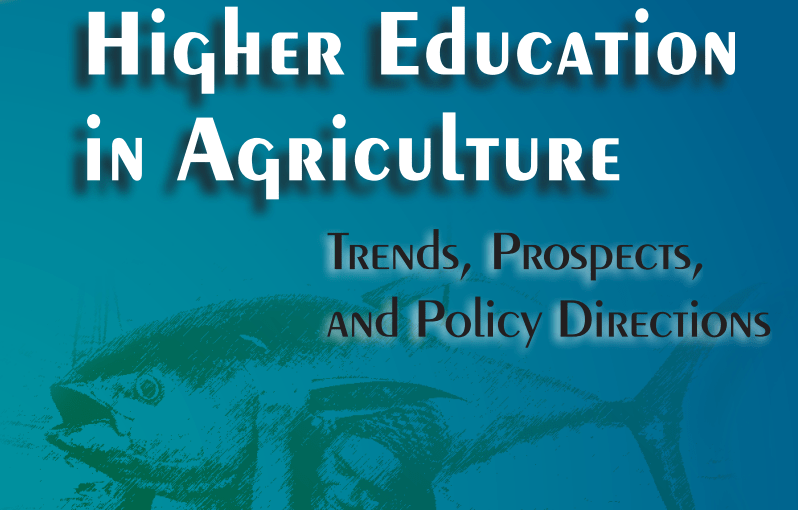
“Now is the most opportune time to implement the long overdue rationalization of SUCs to allow them to offer agri-oriented Technical Vocational Education and Training programs, focusing on agribusiness-oriented agriculture,” according to Dr. Patricio Faylon in “Higher Education in Agriculture, Trends, Prospects, and Policy Directions.
The country’s agility in designing curricular and extension programs (technology transfer from the hands of scientists to farmers) to produce professionals who can engage in achieving food and nutrition security goals is critical, Gregorio said.
The diversification of the agriculture sector and AFNR-related programs will significantly address the changing needs of the local and global economic environment in employment and better income.
“Agriculture diversification, agribusiness promotion, and investment in rural and market-related infrastructure should be pursued,” said Faylon, a former PCAARRD executive director and five other co-authors in a separate position paper on “State and Future Supply and Demand for Agriculture, Forestry and Natural Resources Graduates in the Philippines.”
A major component of the reform is the provision of venues for students to have practical training on entrepreneurship and technology business incubation.
HEIs and SUCs must supply the needs of business and industry for skilled labor which consequently will prop up demand for agriculture graduates.
“SUCs might need to reinvent themselves as producers of a new breed of students and graduates like agribusiness entrepreneurs engaged in lucrative enterprises. When wage employment prospects are dim, graduates can opt to employ themselves through their self-run agricultural businesses.”
Faylon’s co-authors are Ruperto S. Sangalang, Albert P. Aquino, Melvin B. Carlos, Richard B. Daite, and Ernesto O. Brown.
The students themselves should have “adequate immersion” in managing and operating actual enterprises.
This includes introducing new modes of training through Educational Income Generating Projects (E-IGPs), Technopreneurial Learning Projects (TLPs),Technology-Based Enterprise Development (DATBED), and Technology Business Incubators (TBIs), according to Faylon’s group.
The proposal to Arroyo envisioned AFNR graduates as professional entrepreneurs capable of “exploring and exploiting business opportunities in AFNR.”
The PIDS and PCAARRD experts stressed, “Economic theory suggests that formal education is a productive investment in human capital, an important determinant of economic growth (quoting other economic theorist Schultz, 1971 and Becker, 1975).”
“Education is deemed to increase the productivity and efficiency of the work force, thereby facilitating higher output, and consequently stimulating economic growth. At the micro-level, investment in education increases the potential for employment and enhances earnings of individuals ((Mincer 1958).”
PIDS research experts said the role of agriculture and environment sectors in economic development has been placed in the backseat in favor of manufacturing and services.
“More so is the importance of education and human resources development in the AFNR sea mctor itself,” said Roehlano M. Briones, PIDS senior research fellow.
Dr. Glenn B. Gregorio
Gregorio said reforming the agriculture curriculum in the country’s HEIs is critical in making labor competencies more relevant to future job markets.
Other members of the TPA from the academe are Dr. Candida Adalla and Dr. Domingo Angeles, former College of Agriculture deans from the University of the Philippines-Los Banos, and Dr. Danilo Abayon from Aklan State University. Representatives from the industry are Nikole Ma. Nimfa Alicer, farmer and founder of Kalipayan Farms. Melody Mendoza Aguiba
With an existing commitment to promote urban agriculture through its Bayer Kubo project in Taguig, Bayer is exploring new opportunities to grow food in limited urban spaces to bring food closer to consumers.
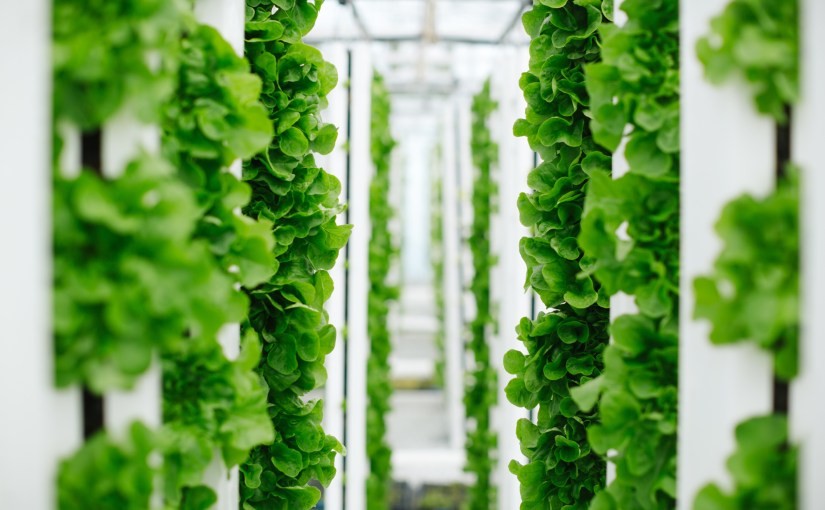
Leaps by Bayer, the impact investment arm of Bayer AG and Temasek, a global investment company headquartered in Singapore, recently announced a joint investment and formation of a new company, Unfold. The new venture will focus on innovation in vegetable varieties with the goal of lifting the vertical farming space to the next level of quality, efficiency and sustainability.
While most start-ups in the vertical farming market are focusing on the development of more efficient infrastructure, Unfold is the only company with unparalleled assets to unlock the genetic potential of vertical farming. By utilizing the seed genetics from vegetable crops, Unfold will focus on developing new seed varieties coupled with agronomic advice tailored for the unique indoor environment of vertical farms.
Unfold raised USD 30 million in the initial funding round and entered into an agreement for certain rights to germplasm from Bayer’s vegetable portfolio.
“Innovation that offers sustainable solutions for agriculture is one of the 10 areas of engagement and investment that Leaps by Bayer is focused on,” said Jürgen Eckhardt, Head of Leaps by Bayer, which was built to drive fundamental breakthroughs in the fields of health and agriculture through new technologies. “The investment in Unfold is a great example of a transformative, creative approach to developing agricultural products that meets the needs of consumers, farmers and the planet by increasing access to fresh fruits and vegetables, supporting sustainably grown, hyperlocal production and addressing food security challenges faced by growing urban populations.”
Meanwhile, Bayer Crop Science in the Philippines had introduced urban agriculture in a densely populated community in Barangay Ususan, Taguig City early this year as its current local contribution to food and sustainable livelihood during the pandemic. Its 300-square meter Bayer Kubo may still be the traditional ‘horizontal’ urban farm, but it provides the opportunity for residents there to make productive use of their time in growing vegetables such as eggplant, tomato, pechay, sili, and different herbs.
“We’re fortunate that the community in Barangay Ususan continues to enjoy making their own food with the urban farm set up right inside their residential area,” said Iiinas Ivan Lao, Country Commercial Lead for Bayer Crop Science. “Filipino consumers have preference for fresh vegetables and this initiative caters to them. Obviously, vertical farming has the potential to increase food output in very scare areas for planting within highly urbanized cities.”
These urban farming investments align with Bayer’s vision of “Health for All, Hunger for None”, a commitment to the Sustainable Development Goals the United Nations has set for 2030, especially the goals of assuring healthy lifestyles and putting an end to hunger.
Vertical farms, also known as indoor farms or plant facilities with artificial light (PFAL), utilize indoor growing facilities that leverage artificial light, reduce dependency on synthetic chemistry and other crop inputs, optimize water use and allow food growth in challenging environments with limited arable land. Vertical farms help crops grow more quickly, enabling the reliable growth of fresh, local produce anywhere, anytime utilizing less space and fewer natural resources while reducing the need for food logistics and transportation. Unfold will support the hyperlocal production of consumer-pleasing vegetables while also addressing the increasing need for a reliable and safe supply of sustainably grown produce, especially in food deserts and in times of crisis such as the COVID-19 pandemic.
Investment in the vertical farming market has increased significantly in recent years mainly due to decreasing arable land, increasing market demand for local, sustainable produce and migration towards mega-cities.
Singapore, where Temasek is headquartered, is one of many mega-cities experiencing an increasing demand for fresh, sustainable and locally grown produce that has a smaller environmental footprint, using fewer resources to grow and ship, offering peak freshness and flavor.
“The global food challenges we increasingly face require us to rethink traditional farming practices. We need to ensure secure farm-to-fork supply chains in urban settings while we also work to reduce the overall environmental impact of farming. Reducing food waste and improving the safety, traceability and nutritional value of food are all the more important as populations grow and demands for food expand,” said John Vaske, Head of Agribusiness at Temasek. “Investments in companies such as Unfold allow us and our partners to support innovative, sustainable solutions that will benefit all of us over the long term.”
Led by CEO John Purcell, Unfold will be a U.S. entity headquartered in the Davis, Calif. area with commercial and research and development operations in both California and Singapore.
“What sets Unfold apart is its unparalleled investment in germplasm and crop growth models best suited for vertical farming environments, an area currently largely underserved,” said Purcell. “As a company fully focused on the vertical farming industry, Unfold will combine leading seed genetics with the best agtech experts in order to dramatically advance productivity, flavor and other consumer preferences. We look forward to serving the market through partnerships with vertical farming operators, technology providers and others across the produce supply chain.”









 Growth Features